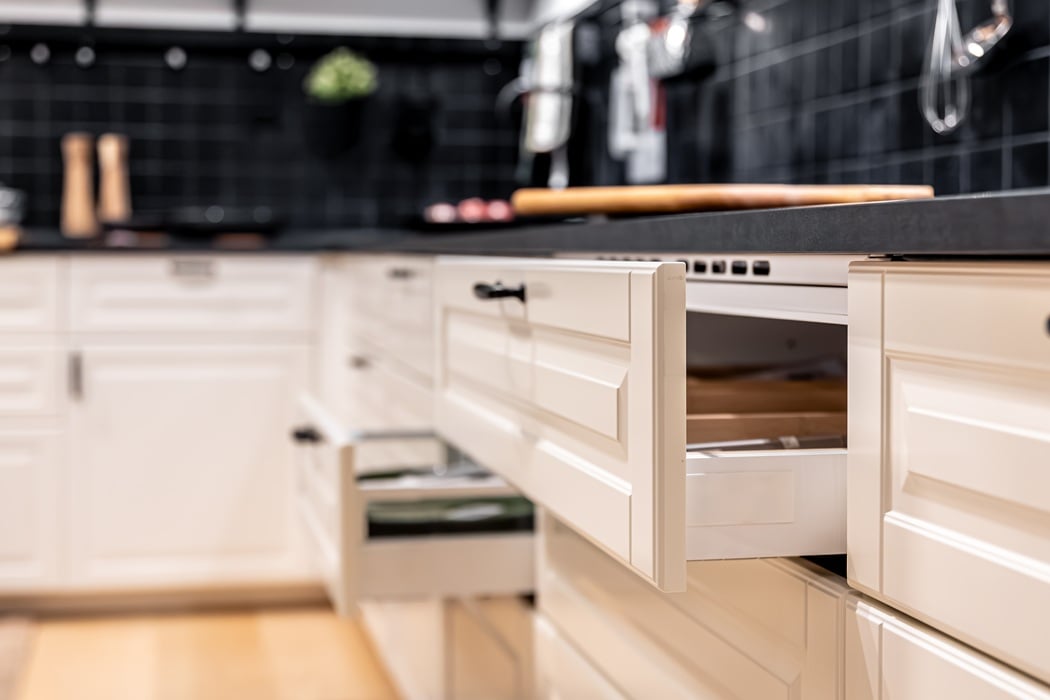
How Kitchen Remodeling Boosts the Value of Your Home

Discover how kitchen remodeling boosts the value of your home and learn what steps to take and why it’s worth it

The kitchen is the trendiest place to be if you want to refresh your surroundings with a stylish display in your house. It should come as no surprise that the kitchen is one of the rooms that potential house buyers value most. Why not take advantage of those rewards in your own home right away if you have the money?

You could be unsure about moving forward with the project and questioning if you should. Is the price of a new kitchen really good enough to justify it? If you’re wise, you’ll consider the long term. Spending money on your kitchen now could repay you handsomely when you sell your house.

So how much does a kitchen renovation raise the value of a house? Depending on the response, you might be able to decide whether you genuinely want to finish the project. Continue reading this article to find out how kitchen remodeling boosts the value of your home!

How Much Does a Kitchen Renovation Raise the Value of a Home?

  • A new kitchen can raise the value of a house. The value is typically represented as the proportion of the remodel’s cost that the homeowner gets back when the house is sold. According to Better Homes and Gardens, homeowners may anticipate a return on their investment in a new kitchen of roughly 52% if they decide to sell their house.

The precise amount you’ll recover is based on a number of variables, including the worth of your home, the homes in your community, and the project’s effectiveness.

  • The amount you spend on the project will also affect how much your home’s value rises. A significant, premium kitchen makeover returns 53.9% of the money spent. The return on investment for remodeling your kitchen with mid-range fixtures is 58.6%. A small kitchen remodel with mid-range fixtures will yield a 77.6% return on investment.

The fact that a modest kitchen remodel, like replacing cabinetry, provides a larger ROI than a comprehensive remodel, such as altering the kitchen’s design and layout, may appear paradoxical. You could assume that the more money you put in, the more you’ll earn.

  • However, it makes perfect sense that the return is better when you consider that you are spending significantly less money on a little improvement while still receiving the intended result.

You cannot see the whole return value by just looking at the numbers. After remodeling the kitchen, consider how long you plan to stay in the house. The percentage of return is the largest consideration if you intend to relocate fast following the makeover.

  • However, if you intend to live in the house for a while after the renovation, you should make practical improvements for your family.

How Much of the Value of Your Home Should You Invest in a Kitchen?

  • According to experts, kitchen renovation costs should range from 6 to 10% of the home’s market value. You might not get a satisfactory return on your investment if you spend over that amount. The amount of money you spend in relation to the potential value you add must be considered.

Also, consider how much time you expect to spend at home once the kitchen has been renovated. The 6-to-10% ratio makes sense if you are moving out immediately. If you intend to remain in your house for many years, you may wish to invest more money because the expenditure also becomes about your own pleasure in the area.

So, Is a Kitchen Remodel Worth the Money?

  • kitchen remodeling boostThe answer relies on you and your objectives. Consider it this way: It is not a good idea to invest $60,000 in a new kitchen if your real estate agent estimates that you will only recoup $40,000 when you sell your home in 2 months.

That’s a waste of $20,000. It is more practical to undertake a few economical renovations that might only cost $5,000. Before you put your house on the market, the appropriate upgrades can increase its value and help you draw in as many purchasers as possible.

  • Your home will stand out to potential buyers if your kitchen has been remodeled, which might help you sell it more quickly and for a higher price. That is excellent news if you intend to sell your home in the future.

However, only because your home’s value increases does not guarantee that you will make back all of your renovation expenses when you sell. Need more assistance in making a decision? Feel free to connect with the experts at Dupont Kitchens and Bathrooms today!
On Key

Related Posts

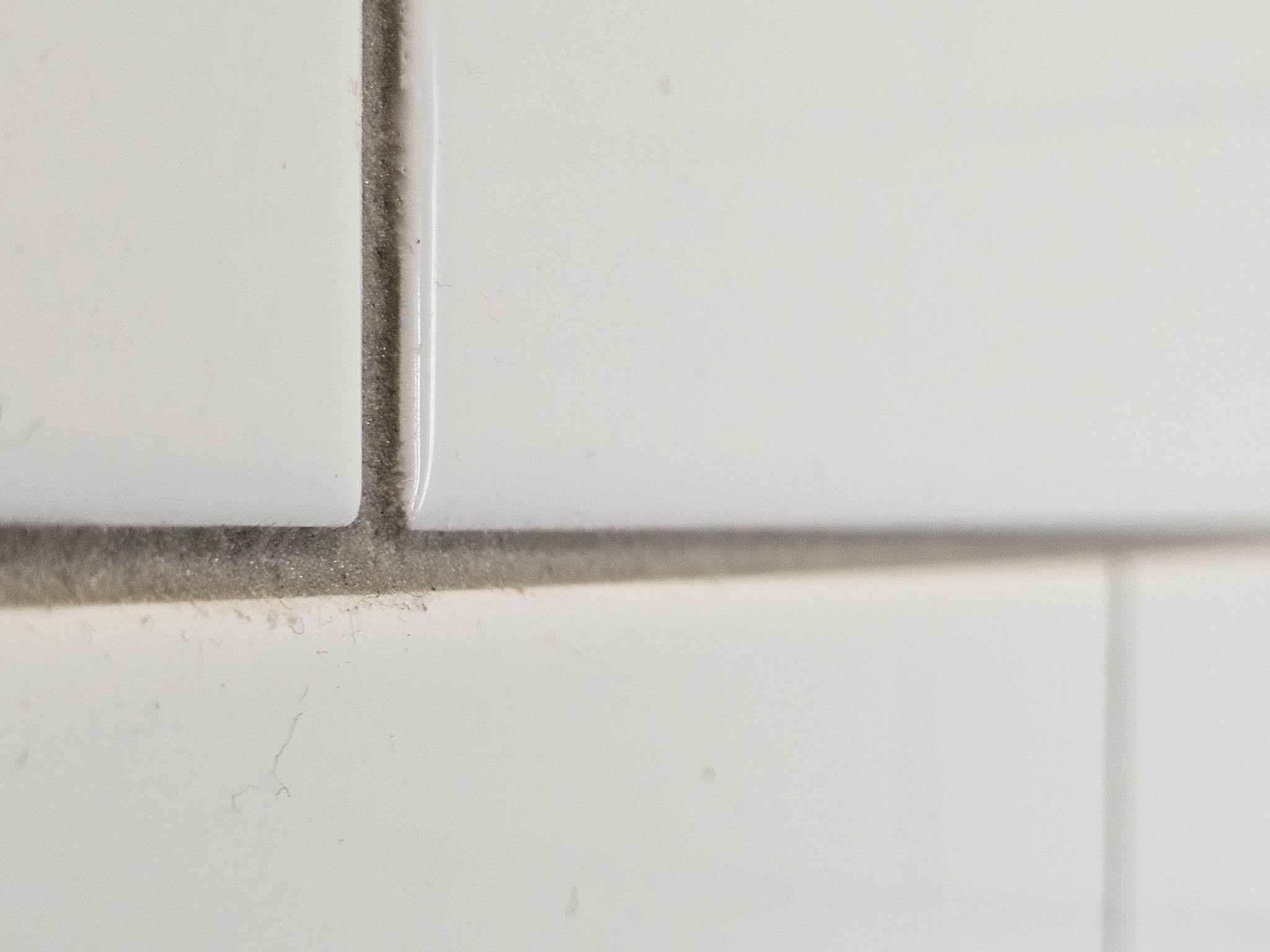
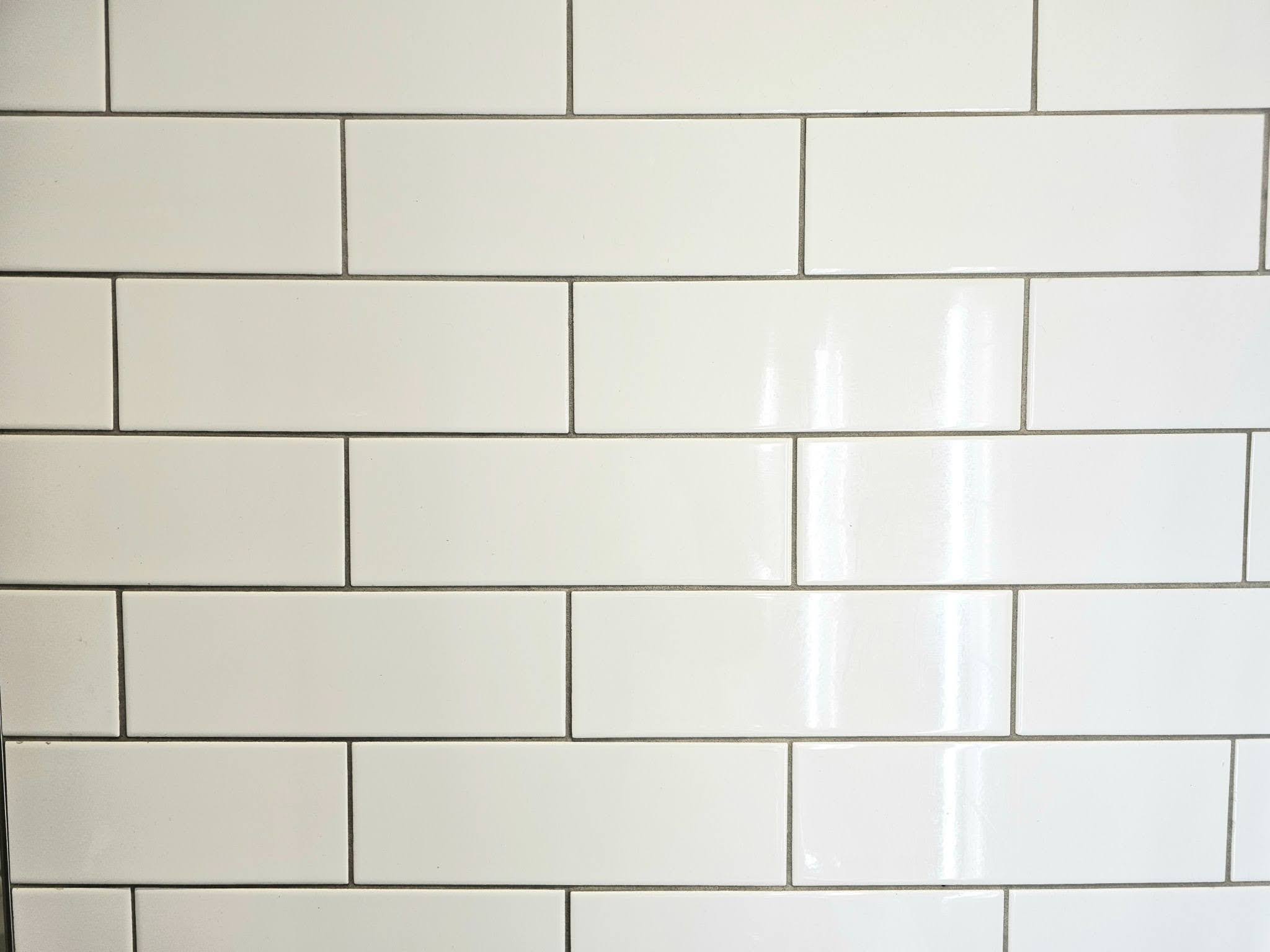
The tile used on his bathroom is an unterminated or hexagonal tile with an embossed texture. Unlike most wall tile installations which terminate all the way up at the corner of the joint between the wall plain or have a termination strip, this tile is installed with a raw staggered edge. Sometimes an edge like this is called a floating edge. If you look in the picture below, you can see that the tile at the vertical inside corner of the wall is cut to fit the shape provided by the wall plane. The top of the tile though is left raw to just follow a staggered edge of the hexagonal tile itself. The staggered unterminated edge of the tile doesn't necessarily look bad, in this example. They've been careful during installation to not let mortar ooze out in a way that looks rough or unfinished. At the lower tiles though, in the picture below, you can see the top of that unterminated edge. There are two problems with that kind of unterminated edge. First, you can see the raw edge of the tile itself. Since this is not a solid piece of natural material, the front or exposed face of the tile is a different color than the internal composition or body of the tile. When it's exposed like this and doesn't have a terminating edge you can see that difference which makes it visually apparent that it's not a real material. It's a manufactured material. The second problem with this type of unterminated edge is that the mortar itself has a thickness of roughly 1/8 of an inch. When applied with a 3/16 inch Notch trowel, the mortar becomes compressed but still even when flattened as much as possible there still is a thickness of that mortar. Once it is dry and cured, you can still see the thickness of that mortar. In almost all cases of tile installation, unlike stone masonry or even brick masonry, the tile mortar is not intended to be exposed at the joints. In between joints, in the field of the tile, the mortar will be covered with a colored grout. In this case, the tiles are set so tightly that there is almost no visible grout line between them. The grout used is a color that's very similar to the tile and the effect works. In some cases when the tile has a variation of significant color difference between the ranges of colors within the tile it's difficult to have a grout that complements or blends. Here though because the colors continuous across the face of the tile and the grout has been matched so well, you can't even hardly notice it. You can see that joint or between the back of the tile and the wall very clearly in the next picture below. You can see there's a very thin line with a black dark shadow between the tile and the wall. In some cases, when a tile is left unterminated at the edge, a gun applied caulking can be applied across the edge, smoothed, to almost make it look intentional. Sometimes in bathrooms without really good ventilation, if there's steam from hot water, that steam can condensate and build on the wall. When the vapor droplets accumulate enough they'll roll down the wall and in this case they'll sit on top of and get back behind the edge of the tile. That's one of the downsides, here though, this bathroom is just like a powder room with a toilet and a sink, but it doesn't have a shower. Most of the steam moisture buildup in bathrooms comes from showers. In the picture below you can see the distance between the other side of the ceiling and the top of the tile. Here they were at least smart enough to bring the top of the tile to a point that's above eye level. Typical eye levels are around 60 to 75 inches above the finished floor height. The mirror used above the bathroom sink has an integral LED light that wraps the perimeter of the round mirror. It basically provides a dramatic high contrast to the adjacent tile. That high contrast accentuates the texture of the tile. This tile has this intentional embossed or relief texture which is well employed when lit in a way that emphasizes the texture. The next picture below shows a close-up view of that edge at the top of the tile. Dupont Kitchen & Bath Can Help As dedicated and local DC metropolitan kitchen and bath builders and installers, we pride ourselves on turning your visions into reality. Your kitchen and bathrooms can reflect your unique style and be designed with personalized aesthetics. It can be a process from creative designs to the realization of your dream space. Specializing in kitchen and bath construction, we bring expertise and skills to every project. If you're contemplating a renovation, upgrade, or modernization in the local market, we're happy to be your team. Consult with us, and we can start together on a path to redefine and elevate your DC living experience. You can visit our company website at https://dupontkitchenbathdc.com/ Here at our website you will find a simple and convenient web form that you can fill to contact us quickly.

Hex Wall Tile

Modern Hex Wall Tile for Bathrooms in Washington DC The tile used on his bathroom is an unterminated or hexagonal tile with an embossed texture.