Common Tile Grouts: Sanded vs. Unsanded
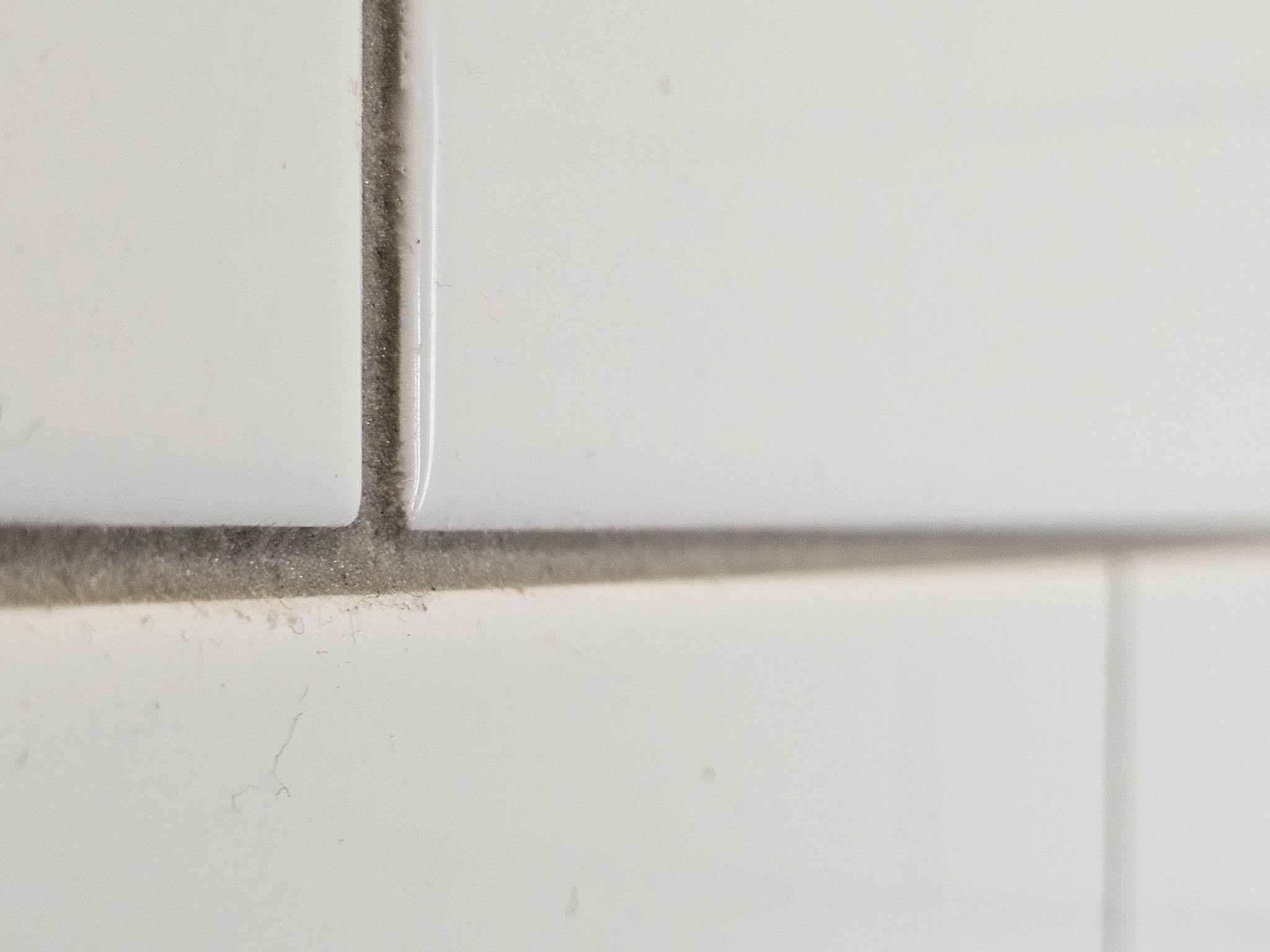
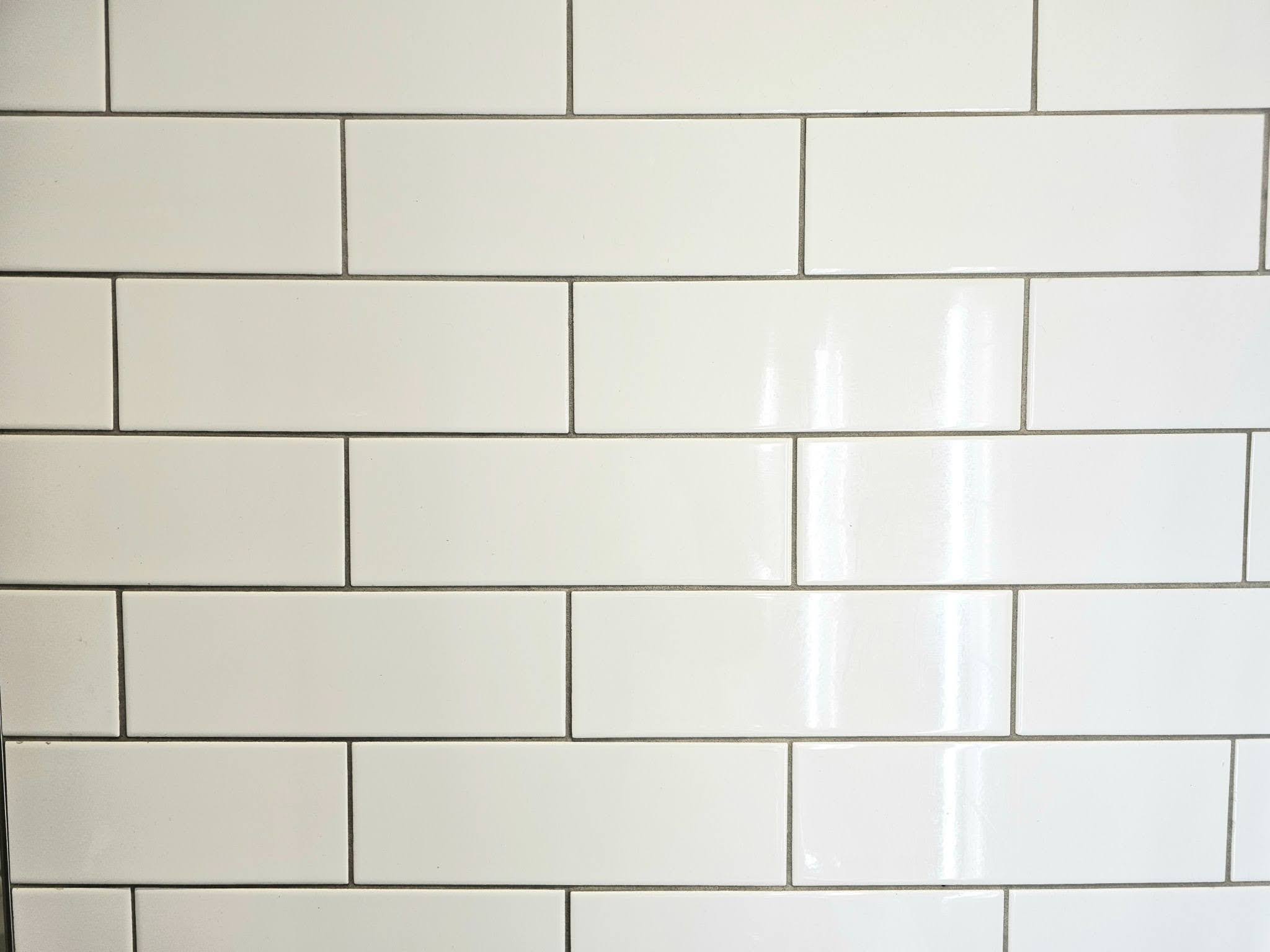
Recently we looked and photographs which showed examples of a large format Subway tile. This particular subway tile was much larger than the more traditional Subway tiles. In fact it was more of a contemporary twist on the historic aesthetic. We looked at different images of the grout installation and discussed how the grout was excessively removed during that initial installation.
A different example, of a larger tile being set is shown in the next picture below. Here, you can see the bed of mortar which is being laid with a notched trowel. The setting of a tile in a bed of mortar is a prerequisite step before grouting. After the tile has fully set in the mortar, then later the grout can be installed in the thin lines between the tiles.
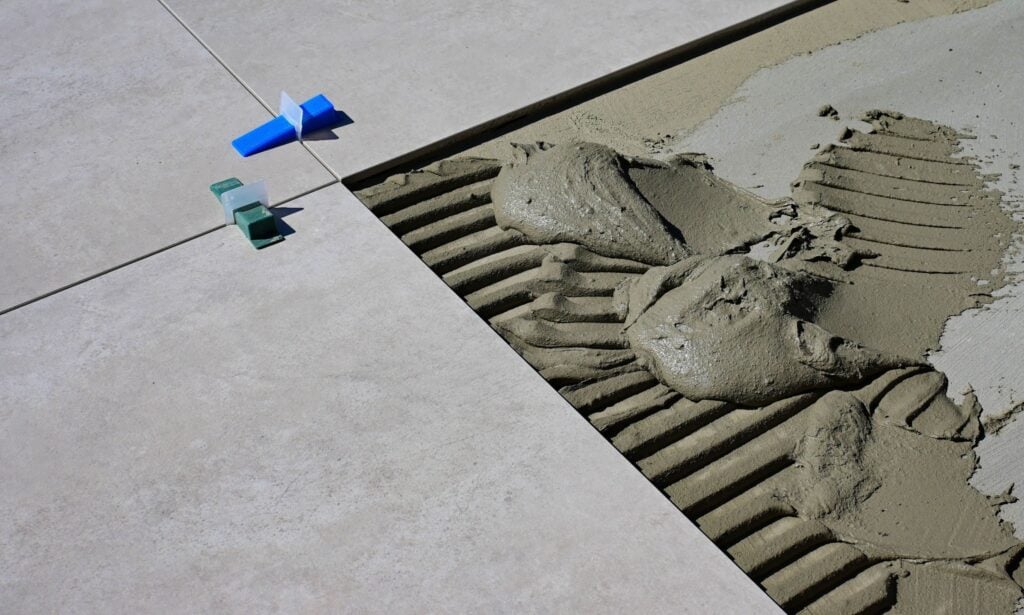
Essentially, it is important that the grout is installed only after the tile has been set and had sufficient time to cure enough to hold position and resist the force of packing the grout into the tile joints.. The installation of grout requires pressing hard or with force against the tile. If the tile has not sufficiently set it will be displaced and moved incorrectly during the initial application of the grout.
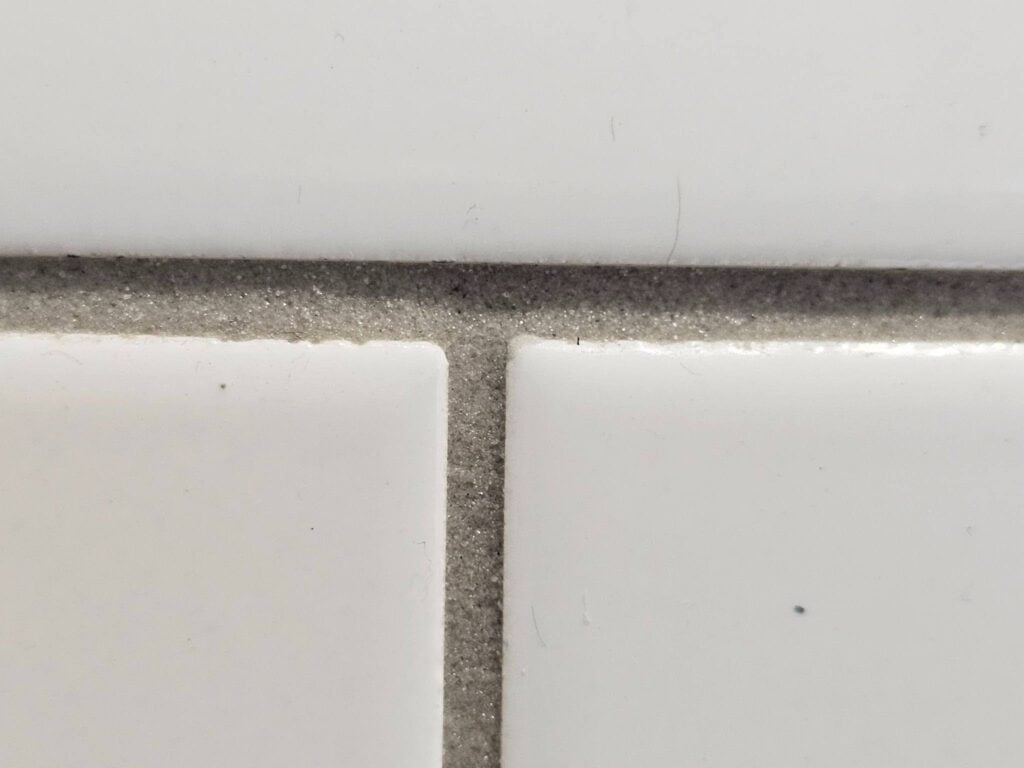
The main ingredients of traditional tile grouts are very similar to the thinset mortars and also very similar to components used in common building materials like concrete and CMU or block mortars. Some of the main sub components that all of these elements share are Portland cement and aggregates such as sand and or calcium carbonate.
Among these names of the materials lies one of the most important distinctions. Sanded and unsanded grout are basically very similar, yet they are of separate families of grout.
One of the big differences between sanded and unsanded grout is that sanded grout is intended to be used for joints larger than 3/16 inch in width. Joints smaller than that usually use unsanded grout. There are several reasons why larger joints use sanded grout. The sand in sanded grout is mainly comprised of silica. Silica helps prevent cracking which can happen more frequently in larger width joints.
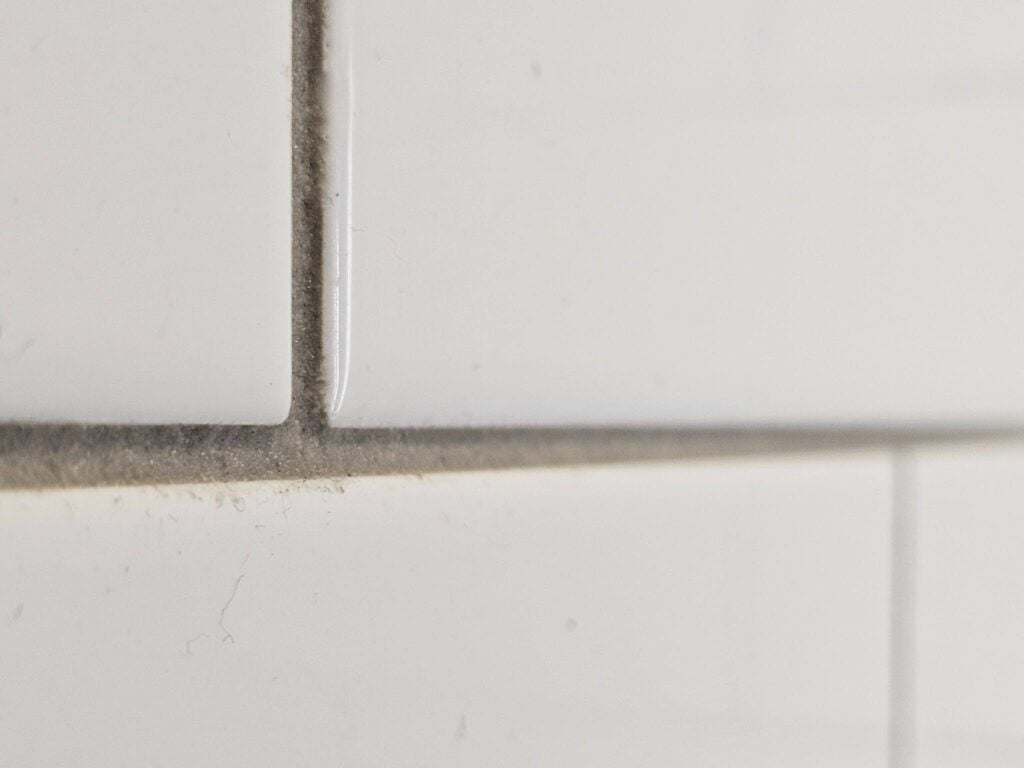
On smaller, thinner, and tighter tile joints though, the sand granules cause problems, such as the following issues:
- Joint starvation / voids.
- Improper compaction
- Weakness and crumbling
- Unfinished Appearance
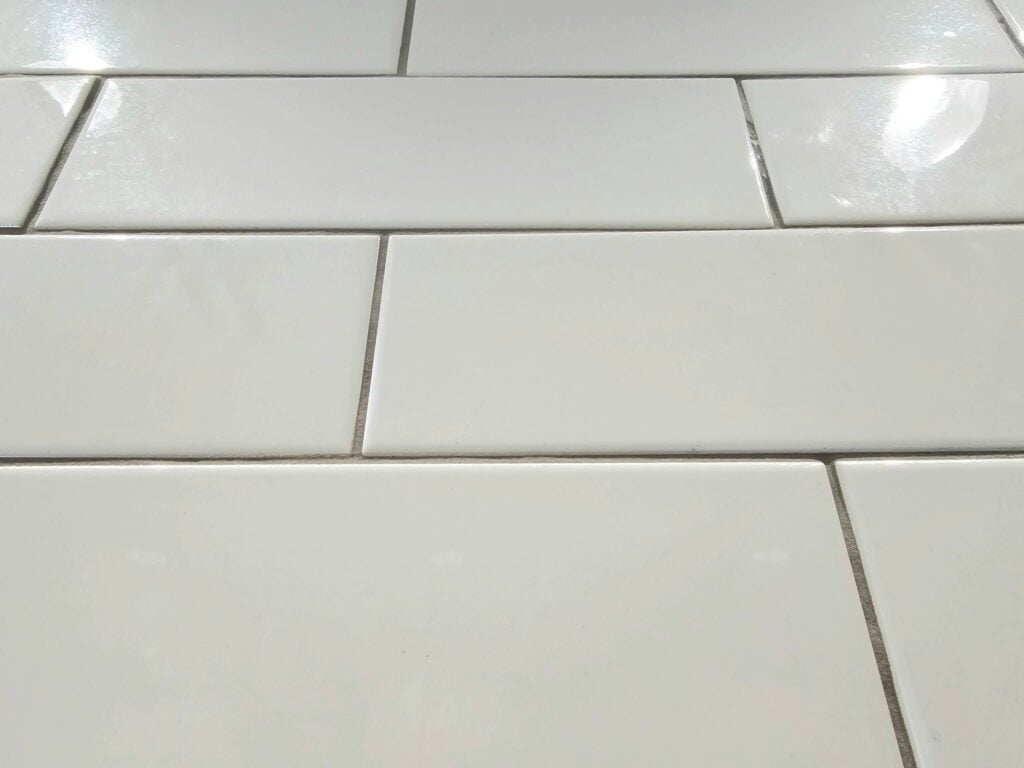
The sand granules are chunky compared to the remainder of the components of the grout. As the sanded grout is applied over top of the tile joint, the sand can’t necessarily fit into that thin joint space. Parts of it are left a bit clogged and it doesn’t let the rest of the grout fit down into the joint. In technical terms, in the tile industry, they refer to this as joint starvation. The joint is basically left with voids because the grout is not able to be fully compacted all the way down into the crevice or opening between the tiles.
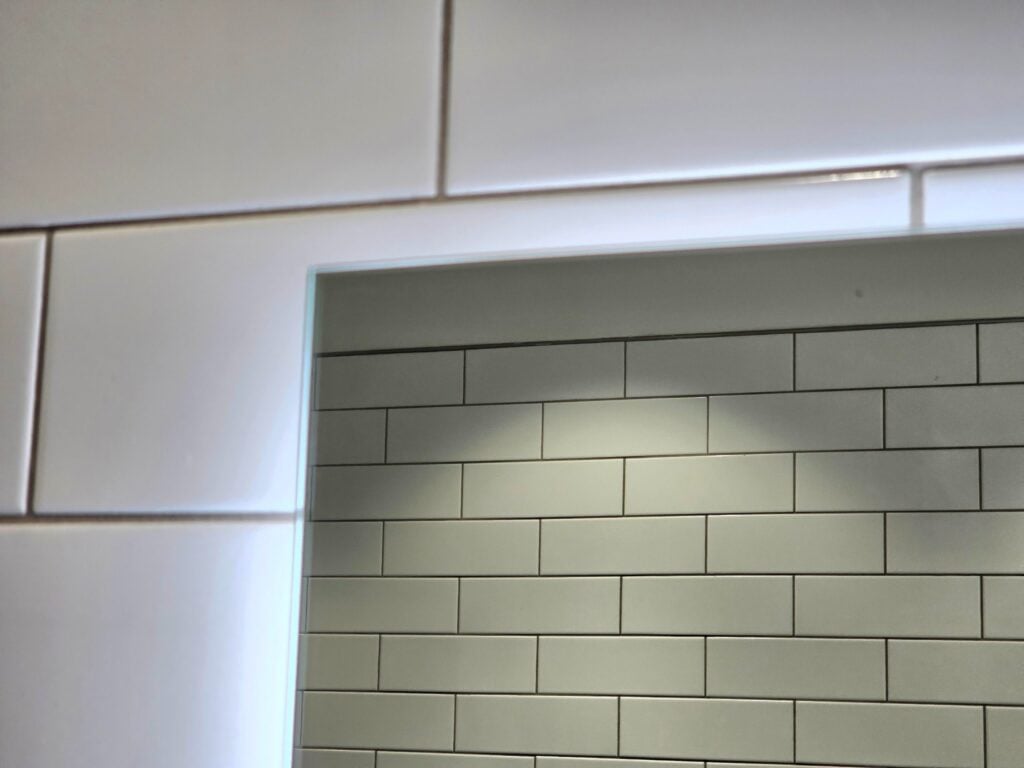
Because the sand particles get clogged up when being forced into that small grout line, they lose their ability to be compacted and therefore will fail and expose the voids and pockets later after the initial installation. They don’t last long though, even after gentle use and cleaning, the sand granules will begin to crumble and expose the voids. Without proper compaction the grout is weak and will crumble away. The pitted and rough surface caused by failing voids and uncompacted sand granules will leave a very unfinished looking surface.
The differences that were referring to here are not particularly complex or complicated. The installer, of course, just needs to know the difference between the different types of grout available and use the grout that is appropriate to the type of installation. The tile spacing can also be modified to accommodate different grouts, before the grout is even applied. We would generally recommend that the tile dictate the grout line thickness, more so than the grout type. Flipping that precedence seems like a backwards way of thinking, in our opinion.
In this coming week, we will focus on the modern alternatives to the traditional grouts. Specifically, we will look at epoxy grouts, high performance grouts and single component grouts.
Dupont Kitchen & Bath Can Help
As dedicated and local DC metropolitan kitchen and bath builders and installers, we pride ourselves on turning your visions into reality. Your kitchen and bathrooms can reflect your unique style and be designed with personalized aesthetics. It can be a process from creative designs to the realization of your dream space. Specializing in kitchen and bath construction, we bring expertise and skills to every project. If you’re contemplating a renovation, upgrade, or modernization in the local market, we’re happy to be your team. Consult with us, and we can start together on a path to redefine and elevate your DC living experience.
You can visit our company website at https://dupontkitchenbathdc.com/
Here at our website you will find a simple and convenient web form that you can fill to contact us quickly.