For Washington, DC, and Montgomery County homeowners planning a kitchen remodel, one of the biggest concerns is often the same: where is all the money actually going to go? A beautiful new kitchen can quickly become more expensive than expected when cabinetry, appliances, labor, plumbing, and finish upgrades begin stacking up. Dupont Kitchen & Bath helps homeowners work through these decisions with a comprehensive remodeling process designed to balance appearance, everyday function, project scope, and budget.
What Costs The Most in A Kitchen Remodel?
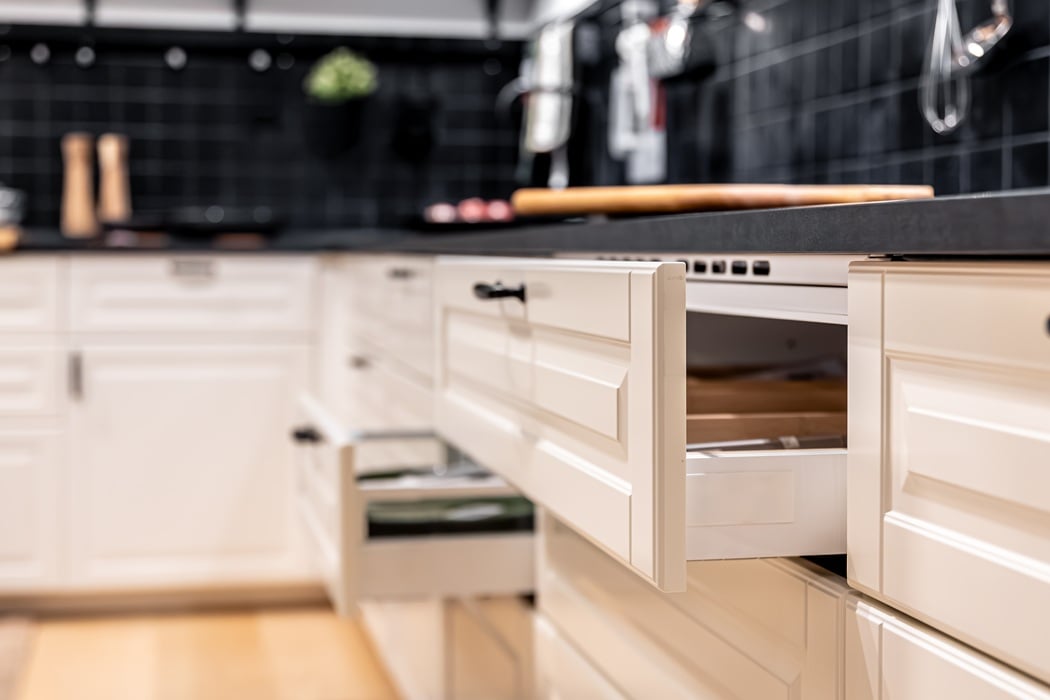
- Cabinetry is usually the most expensive part of a kitchen remodel, commonly consuming about 30% to 40% of the overall project budget. Industry cost guides consistently place cabinets ahead of countertops, appliances, flooring, and most other individual remodeling expenses.
Why so much? A kitchen may have dozens of cabinet doors, drawers, boxes, shelves, panels, moldings, hinges, handles, organizers, and finishing pieces. Those components must also be measured and installed accurately.
- In other words, you are not simply buying a row of wooden boxes. You are purchasing one of the kitchen’s largest functional systems and one of its most noticeable design features. For homeowners planning a kitchen remodeling project with Dupont Kitchen & Bath, understanding this expense early can make the rest of the budget considerably easier to control.
Why Do Kitchen Cabinets Cost So Much?
Three factors have an especially large impact on cabinet prices.
Materials and Construction
- Cabinet quality varies dramatically. Entry-level stock cabinetry may use standardized sizes and more economical materials. Premium cabinetry can incorporate plywood construction, solid-wood doors, sophisticated finishes, stronger drawer systems, and higher-quality hardware. Multiply relatively small upgrades across an entire kitchen and the price difference becomes significant.
Stock, Semi-Custom, or Custom Cabinets
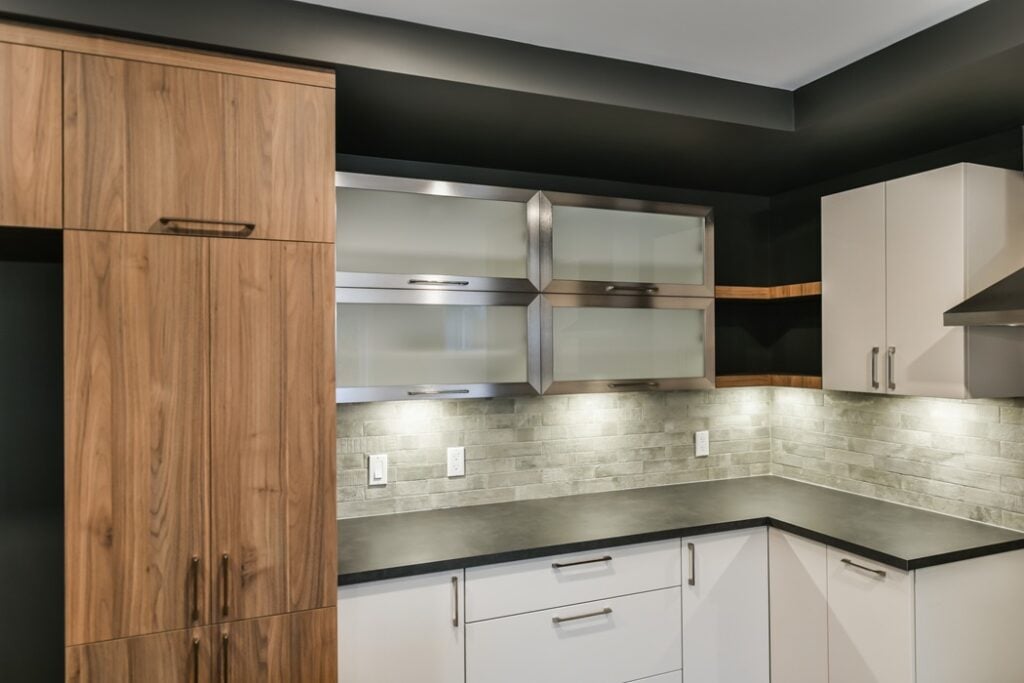
- This is one of the biggest decisions affecting your kitchen remodeling budget. Stock cabinets come in predetermined sizes and finishes, and are generally the most economical option. Semi-custom cabinets provide additional choices in dimensions, finishes, storage accessories, and configurations.
Custom cabinets are manufactured specifically for the kitchen. They offer tremendous design flexibility but can substantially increase both material and fabrication costs. Custom cabinetry can consume an especially large percentage of a remodeling budget when specialized construction and extensive personalization are involved.
Skilled Installation
- Even excellent cabinets can look disappointing when installed poorly. Walls and floors aren’t always perfectly straight or level, especially in older Washington-area homes. Installers may need to make careful adjustments so cabinets align properly, doors operate correctly, countertops have adequate support, and trim looks finished rather than improvised. That precision takes time and experience.
Typical Kitchen Remodel Budget Breakdown
Every kitchen is different, but a general planning breakdown looks something like this:
- Cabinets: approximately 30%–40%
- Appliances: approximately 15%–20%
- Labor and installation: approximately 13%–20%
- Countertops: approximately 10%–15%
- Lighting and electrical: approximately 5%–10%
- Flooring and backsplash: approximately 5%–10%
These percentages are planning guidelines, not fixed rules. A homeowner who keeps existing cabinets but buys luxury appliances could end up with appliances as the largest expense. Likewise, significant structural, electrical, or plumbing work can shift much more of the budget toward labor. That distinction matters.
What Else Makes a Kitchen Remodel Expensive?
Cabinets usually win the top spot, but several other decisions can quickly increase the final price.
Changing the Kitchen Layout
- Keeping the sink, stove, dishwasher, and major walls roughly where they are can simplify a renovation. Moving them is another story. Relocating a sink may mean rerouting water and drain lines. Moving a range could require electrical or gas work. Removing a wall may introduce structural considerations. Even repositioning an island can affect electrical planning.
In Montgomery County, alterations involving structural, electrical, plumbing, or similar building systems may also require permits and inspections. County materials specifically identify kitchen and bathroom remodeling among alterations that can require permitting. Dupont Kitchen & Bath also provides additional guidance on kitchen remodeling permits and codes in Montgomery County.
Appliances
- A refrigerator, dishwasher, range, microwave, and hood can already represent a meaningful investment. Then come the upgrades: built-in refrigerators, double ovens, induction cooking, professional-style ranges, beverage refrigerators, and integrated appliances. This is an easy category for “just one upgrade” to become several thousand dollars in additional spending.
Countertops
Quartz and granite remain popular choices because they combine appearance with everyday durability, but material selection, slab size, edge profiles, cutouts, islands, and installation complexity all influence price. Waterfall edges and unusually large islands can raise the cost further.
Labor
- Demolition, carpentry, electrical work, plumbing, flooring, tile installation, painting, cabinetry installation, and finishing all require skilled labor. And here’s the thing: saving money by choosing the lowest labor estimate can cost more later if the work has to be corrected. Quality installation protects the materials you already paid for.
How Can You Reduce the Cost of a Kitchen Remodel?
Reducing costs doesn’t have to mean making the kitchen look cheap. The smarter approach is deciding where quality matters most.
1. Keep the Existing Layout When It Works
- If your current footprint functions reasonably well, maintaining plumbing and appliance locations can reduce unnecessary construction work. Spend that money on improvements you will actually notice every day.
2. Compare Cabinet Levels Carefully
You may not need fully custom cabinetry throughout the entire room. Semi-custom cabinets can provide a useful middle ground between affordability and personalization. Homeowners with cabinet boxes that remain structurally sound may even be candidates for a more limited refresh rather than complete replacement.
3. Prioritize Function Before Decorative Upgrades
- Think about the frustration you are trying to eliminate. Not enough storage? Poor lighting? An awkward work triangle? No usable countertop beside the range? Fix those problems before allocating thousands toward decorative details. A kitchen that photographs beautifully but remains frustrating to cook in is not a successful remodel.
4. Decide on Appliances Early
Appliance dimensions affect cabinet openings, electrical requirements, ventilation, plumbing, and sometimes countertops. Selecting them late can cause expensive design revisions.
5. Build a Contingency Into the Budget
- Older homes sometimes reveal surprises once demolition begins; outdated wiring, plumbing issues, damaged subfloors, uneven framing, or previous work that needs correction. Leaving room in the budget for unforeseen conditions prevents every discovery from becoming a financial emergency.
Should You Spend More on Cabinets or Countertops?
- For most homeowners, cabinet quality deserves greater budget priority than an extravagant countertop upgrade. Cabinets provide storage, determine much of the kitchen layout, support countertops, and are opened and closed constantly. Replacing them later also involves far more disruption than changing paint, hardware, or a backsplash.
That does not mean everyone needs custom cabinetry. It means cabinet construction, layout, and functionality should generally come before purely cosmetic upgrades.
Is an Expensive Kitchen Remodel Worth It?
- The better question is whether you are spending money on improvements that match your home, lifestyle, and long-term plans. A homeowner planning to remain in a Bethesda or Potomac home for many years may reasonably prioritize customized storage, premium cabinetry, durable counters, and upgraded appliances because the family will use them daily.
Someone preparing a property for sale may take a more restrained approach. Bigger is not automatically better. A well-planned kitchen remodel usually provides more value than simply choosing the most expensive option in every category.
Frequently Asked Questions About Kitchen Remodel Costs
What costs the most when remodeling a kitchen?
Cabinetry is generally the largest individual kitchen remodeling expense, commonly accounting for roughly 30% to 40% of the overall budget. Material quality, cabinet type, accessories, customization, and installation all affect the final amount.
Are cabinets or countertops more expensive?
Cabinets are typically more expensive than countertops. Countertops often represent around 10% to 15% of the project budget, while cabinetry can consume 30% to 40%, depending on the design and level of customization.
What should I splurge on during a kitchen remodel?
Prioritize features that affect durability and daily use, including well-built cabinetry, practical storage, quality installation, durable work surfaces, and reliable appliances. Decorative features can often be adjusted later more easily.
What can make a kitchen remodel unexpectedly expensive?
Layout changes, structural work, relocated plumbing, electrical upgrades, custom cabinets, high-end appliances, and hidden conditions discovered during demolition are common reasons budgets increase.
Is it cheaper to keep the same kitchen layout?
Usually, yes. Keeping plumbing, appliances, walls, and major electrical connections in similar locations can reduce labor, material, design, and potentially permitting costs.
Plan Your Kitchen Remodel Around What Matters Most
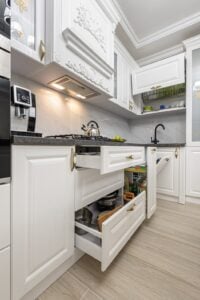
Cabinets may be the most expensive part of a kitchen remodel, but you shouldn’t consider them in isolation. The best kitchen budgets account for cabinetry, appliances, countertops, installation, infrastructure, and the way all those pieces work together.
Too many homeowners spend heavily on finishes and only later discover that the layout still bothers them or the storage never really improved. A good renovation starts differently: determine how the kitchen needs to function, establish the realistic project scope, and then decide where the budget will have the greatest impact.
If you are considering a kitchen renovation in Washington, DC, or the surrounding Montgomery County area, Dupont Kitchen & Bath can help you plan a space that balances form, function, material choices, and budget from the beginning. Call Dupont Kitchen & Bath at (202) 831-4869 to discuss your kitchen remodeling project and start planning a kitchen designed around the way you actually live.