From Empire to Art Deco Design Styles: Exploring Historic Design
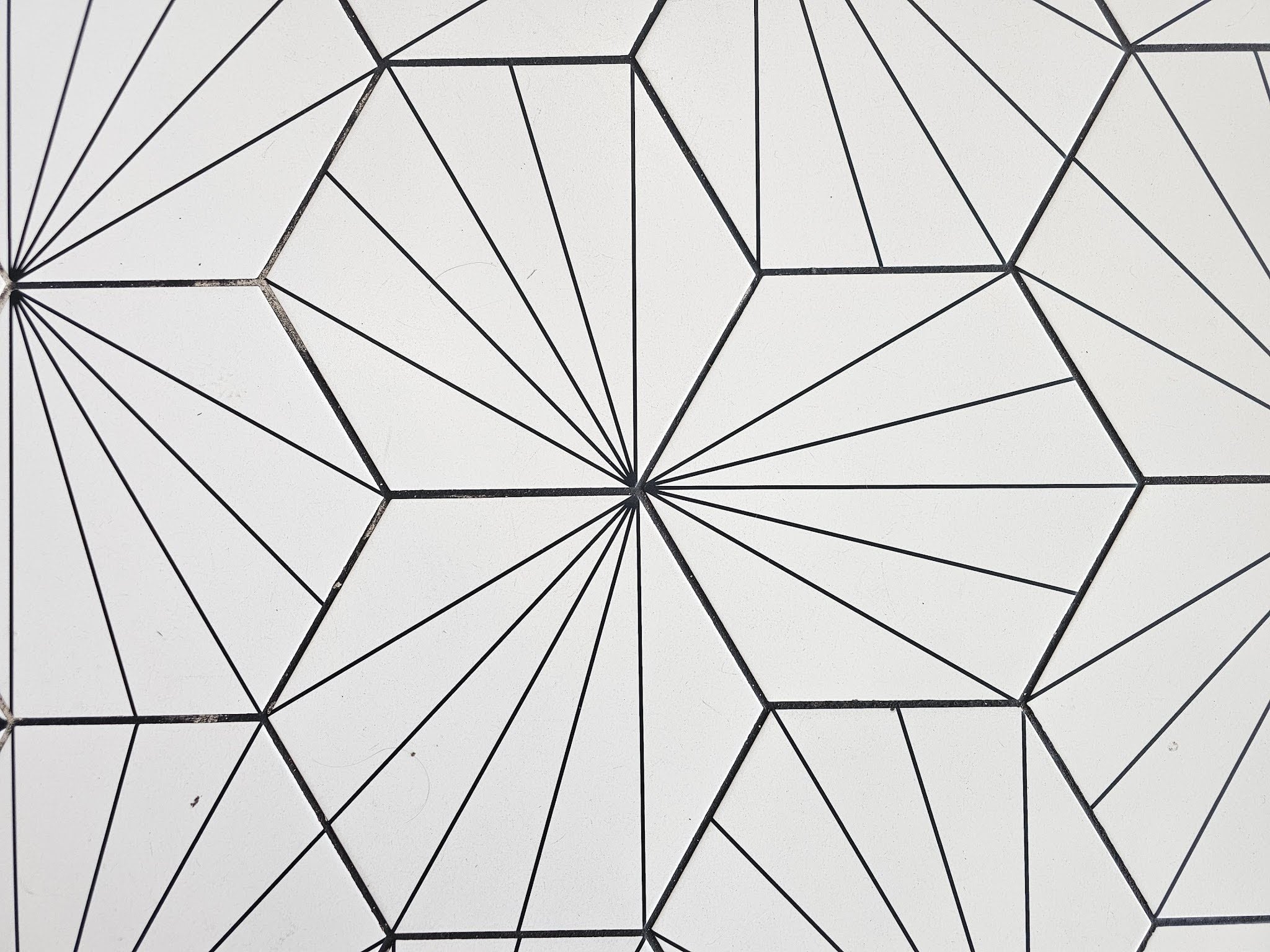
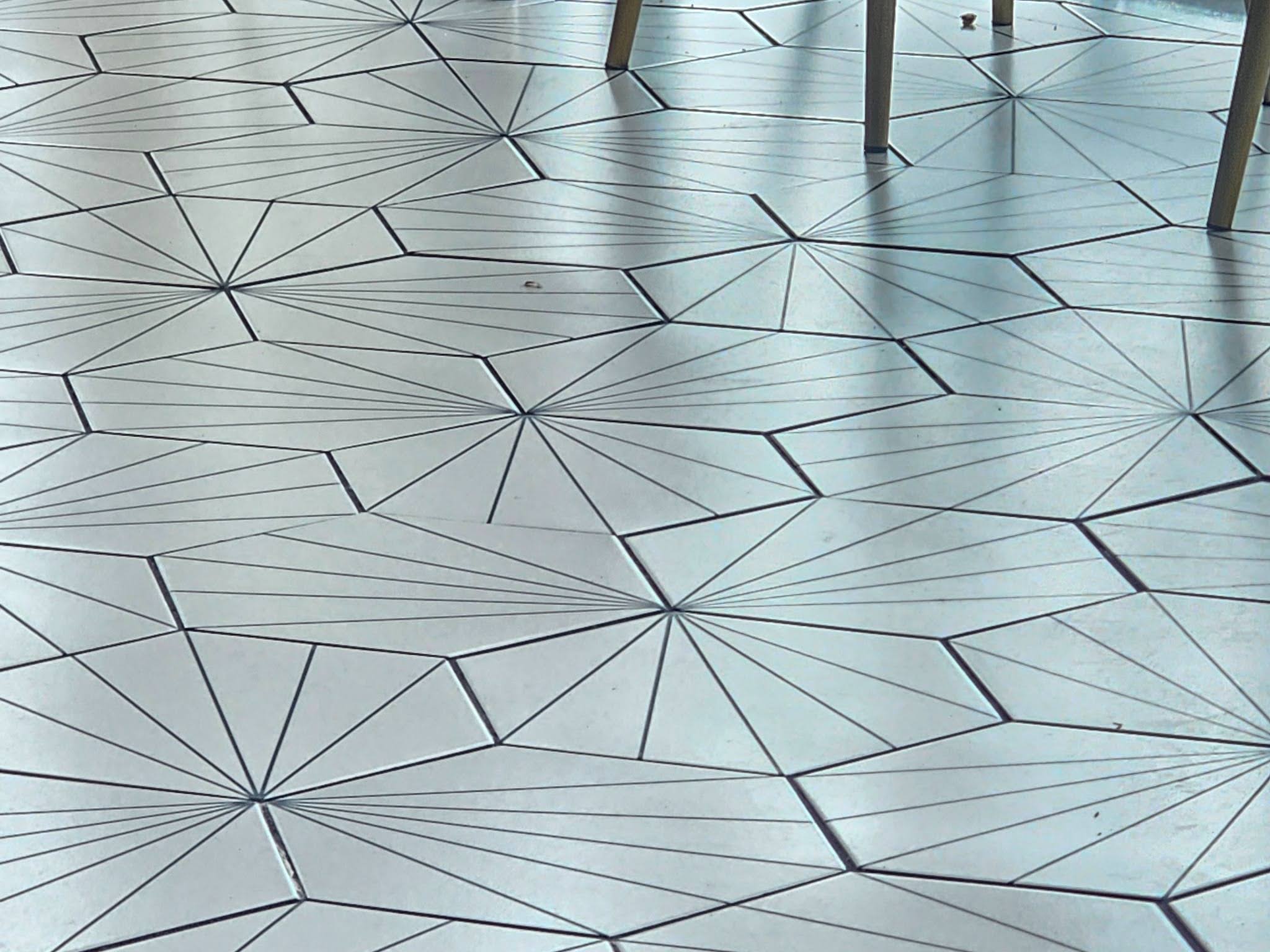
This past week, we looked at a really simple yet elegant and interesting floor tile. It’s a relatively simple hex white floor tile but it has five lines that have been added in a starburst type shape. The lines can be set to connect in the hex tile pattern from one tile to the next. Although the colors are simple and the design is very symmetrical, it’s interesting looking when put together inside it’s geometric pattern.
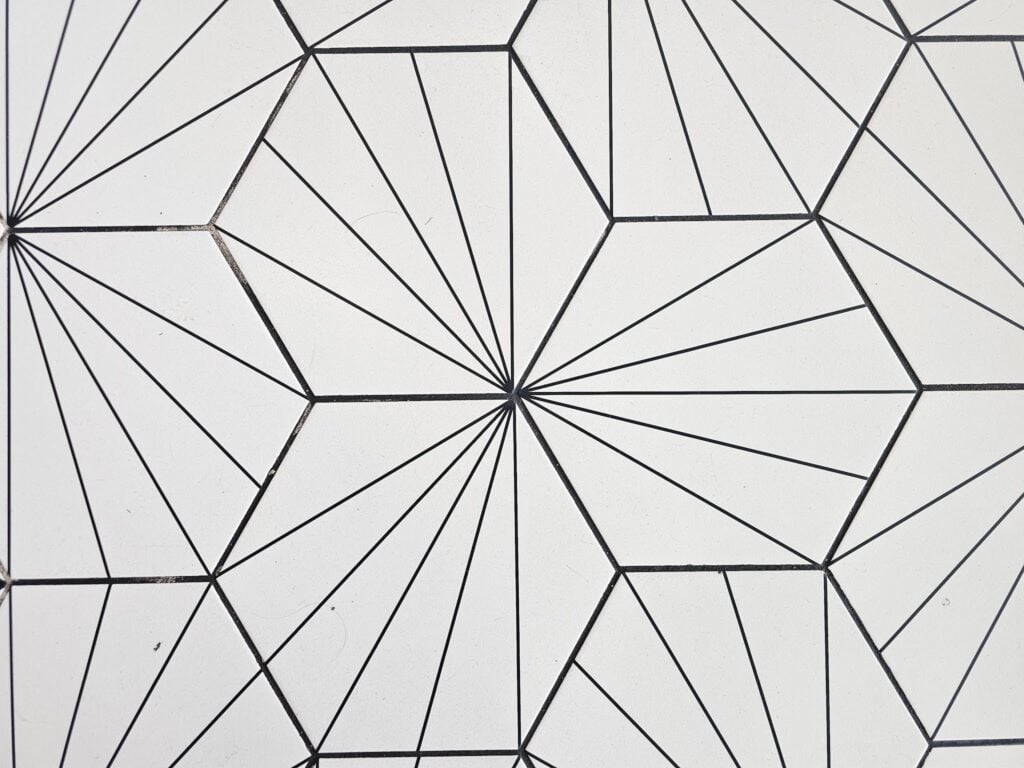
It isn’t a simple right angle, but the hexagonal shape is essentially is broken up into equal 60° angles instead of the 45° angles you would find in a square or rectangular tile. Then when the vertices inside of that divided it up five more times there becomes a total of five divisions within 60°. On average each has about 12°. We talked about how this particular tile design is part of an art deco style.
We also talked about how the art deco style, in many ways, was born out of a rejection of the proceeding Art Nouveau style of architecture and design. We also talked about how these elements hearkened back to the Empire design style 100 years earlier. You can see the pendulum had swung significantly in these French design styles. It was like each had rejected the one before but it had done so in a reactionary way, almost linear and predictable, the way a pendulum swings in two dimensions.
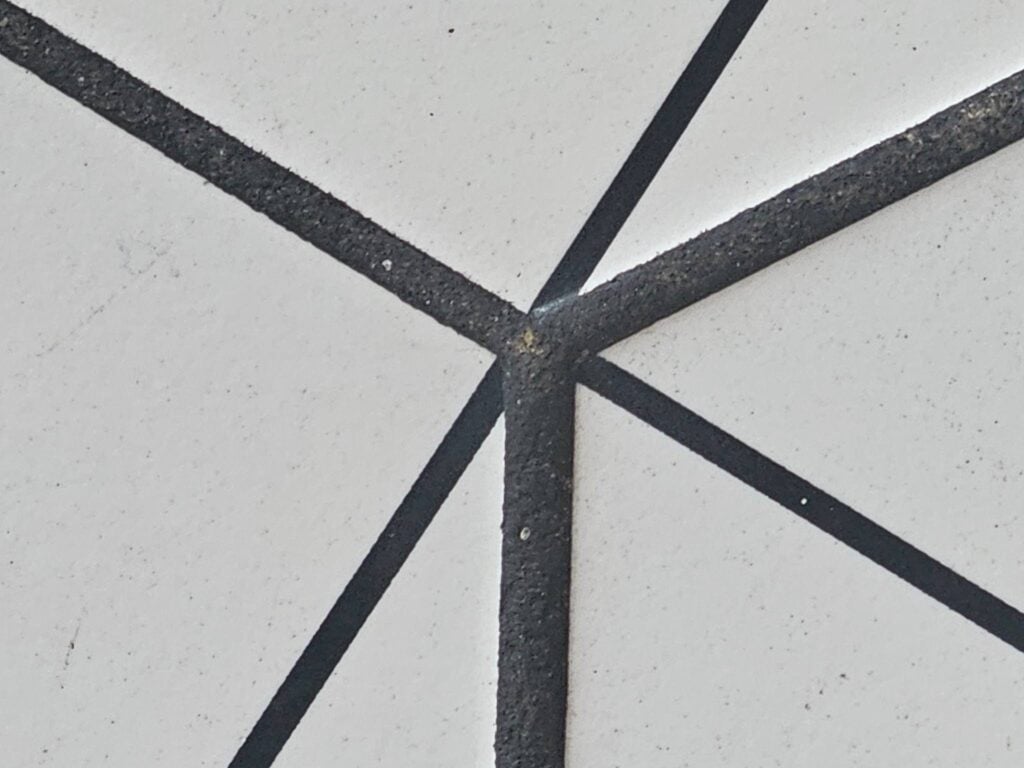
The particular decoration in the picture below is similar to elements you find in an Art Deco style of design. The Empire Style didn’t run up to the art deco style. In fact there were decades between them. As we talk about these different design styles we should explain that they were really based in French architecture and design, not completely shared around the world. In Germany and in Scandinavia, a particular style called Jugendstil became popular.
In some ways this particular style should even be credited with inspiring some of the elements of the art Deco style. At the time though, or at least around the time of these evolving styles and periods and design, big things were happening in France. The 1900 Exposition Universelle in Paris, is credited with popularizing the Art Nouveau style of design.
Then in 1913, at the The 1913 Ghent World’s Fair, France had a massive, highly publicized national pavilion. In 1925, the Exposition Internationale, is considered to be the launch point for Art Deco. Through these events and appearances and many of the reasons of the time, France was really positioned Center Stage as the world’s capital of luxury and architectural and interior design luxury were at the forefront of those cultural elements.
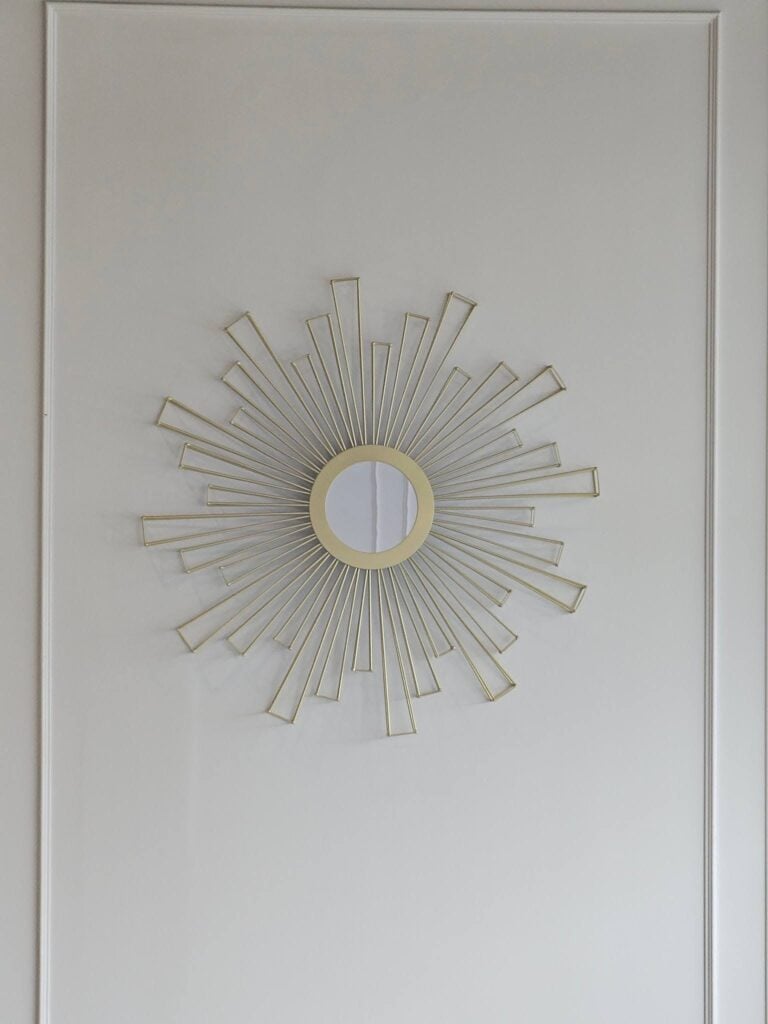
The wireframe mirror shown in the picture below is of a very antiquated aesthetic and style. It’s a lot like the preferred design style of the 45th and 47th president of the United States. To some people this faux or fake gold actually looks rich and fancy, but to most people it looks really cheap and tacky. We aren’t saying though that this particular mirror looks bad, here it has a functional purpose, and it also fits into the overall design style. So it matches the theme of the space.
When our tacky president goes and puts fake gold all over the place, that doesn’t look real or rich, it just looks like an old man who can’t distinguish fake opulence from reality.
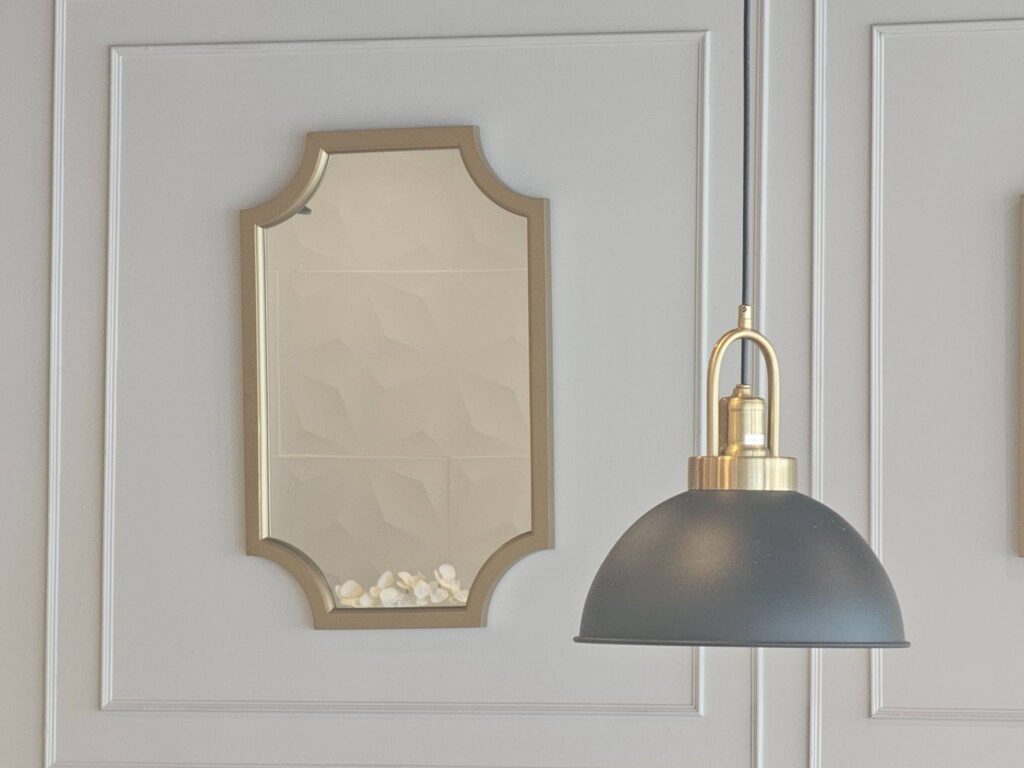
At the time of the height of the Art Deco style, things like anodized aluminum and fake gold were considered to be a bit futuristic. If you look at the base of the mounting of the lamp in the picture below, you can see the base frame has it almost futuristic steampunk look, but with the gold color it of course doesn’t match the steampunk theme. Here it blends right in with the mid-century Art Deco style, though.
The same thematic concepts apply to the minimalist square bar pulls on the cabinets. These bar pulls are clearly not real gold but maybe a polished brass plating that melds with the Art Deco style.
Dupont Kitchen & Bath Can Help
As dedicated and local DC metropolitan kitchen and bath builders and installers, we pride ourselves on turning your visions into reality. Your kitchen and bathrooms can reflect your unique style and be designed with personalized aesthetics. It can be a process from creative designs to the realization of your dream space. Specializing in kitchen and bath construction, we bring expertise and skills to every project.
If you’re contemplating a renovation, upgrade, or modernization in the local market, we’re happy to be your team. Consult with us, and we can start together on a path to redefine and elevate your DC living experience.
You can visit our company website at https://dupontkitchenbathdc.com/
Here at our website you will find a simple and convenient web form that you can fill to contact us quickly.