Understanding Stovetop Fire Suppression Systems in Older Kitchens
A little while back we looked at an old kitchen that is a bit outdated. It needs to be renovated. The kitchen works pretty well, from a functional perspective, but the finishes are old and the owner thinks it’s about time to update things. (As a side note, we just want to mention that we don’t always think things need to be changed just because they’re old. In fact, we love historic elements when they are well maintained and in keeping with the authentic nature of the historic buildings of Washington DC.
In fact, we would take great efforts to preserve many of the historic elements where they are original and reflect well on the design and use of the building.
Today we’re looking at an add-on to a kitchen that is neither original to the building nor historic. It’s old though. Underneath of these solid wood face frame kitchen cabinets, there are two metal boxes mounted on extending arms. They look a little bit like task lighting but they’re not lighting or even electrical devices at all in reality. They’re actually an antiquated type of fire suppression system.
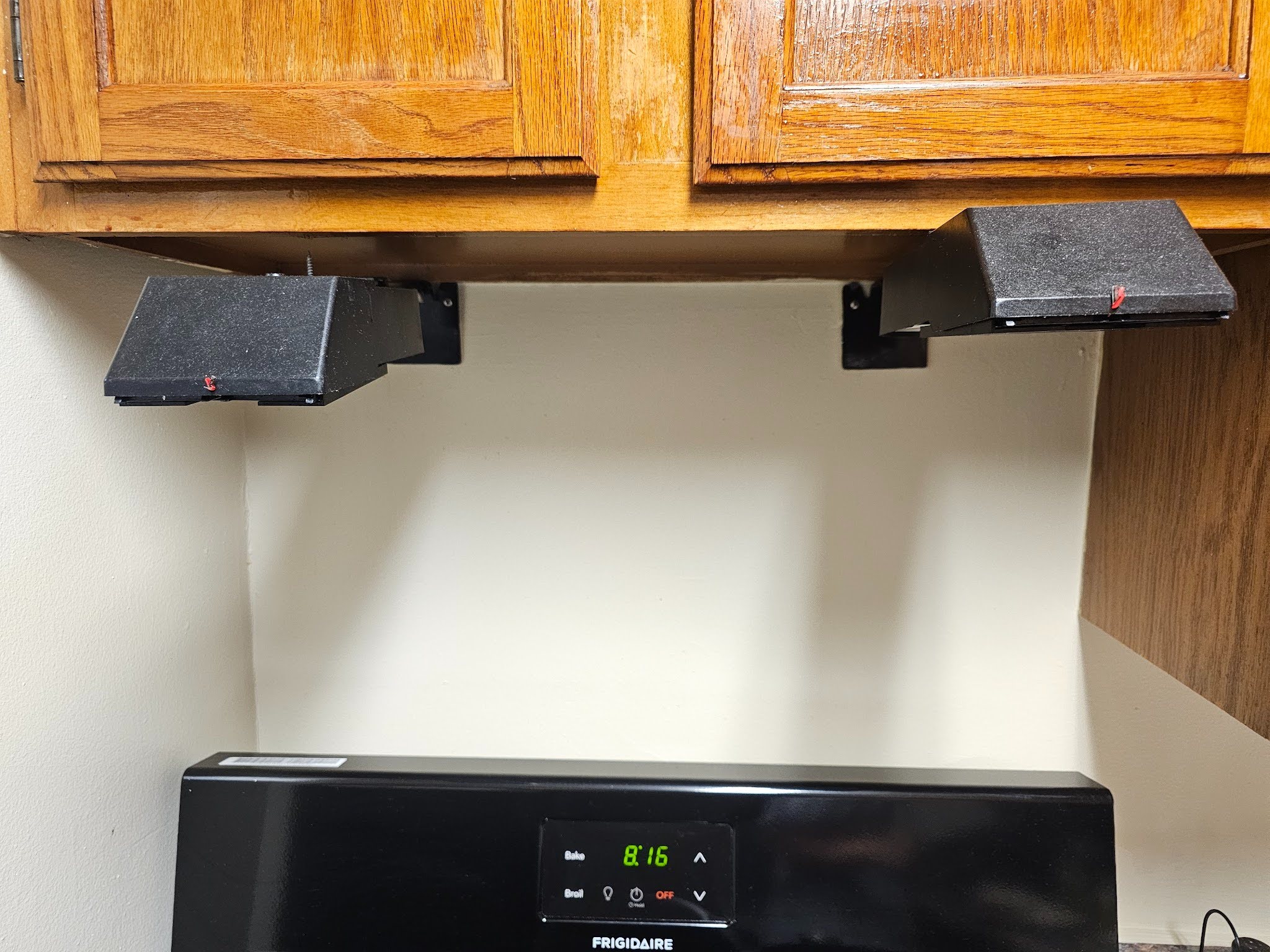
We have demolished and removed the contents and cabinets from many old kitchens over the years. We’ve taken these things apart and stripped kitchens down to the bones before rebuilding them into much better functioning in more modern installations. We’ve seen a lot of different old amd defunct kitchens. This particular device, installed above the stove top range is a bit unique though. We don’t see it every day. As we explained above, it’s part of a fire suppression system. Unlike our other fire suppression systems though, this one doesn’t need to be part of a sprinkler system with piping and or doesn’t need to be part of a gas fire suppression system.
It doesn’t require electricity or piping of any type. It also has no connected monitoring. In many cases, fire suppression devices are interconnected with alarms and monitoring systems. In larger systems of that type, when water runs through piping, it may have a flow switch which is a bit like a paddle inside of the piping and is monitored with electronics that send signals to indicate to a centralized panel that water is flowing. That puts the system into an alarm state and in some cases can call out to third party or outside monitoring systems. Those monitoring systems can then call to the fire department or even private type dedicated or assigned fire response teams.
Here though, this system is completely automated and decentralized. It works as a standalone type item, has no interconnectivity, and requires no services such as electronics or electricity.
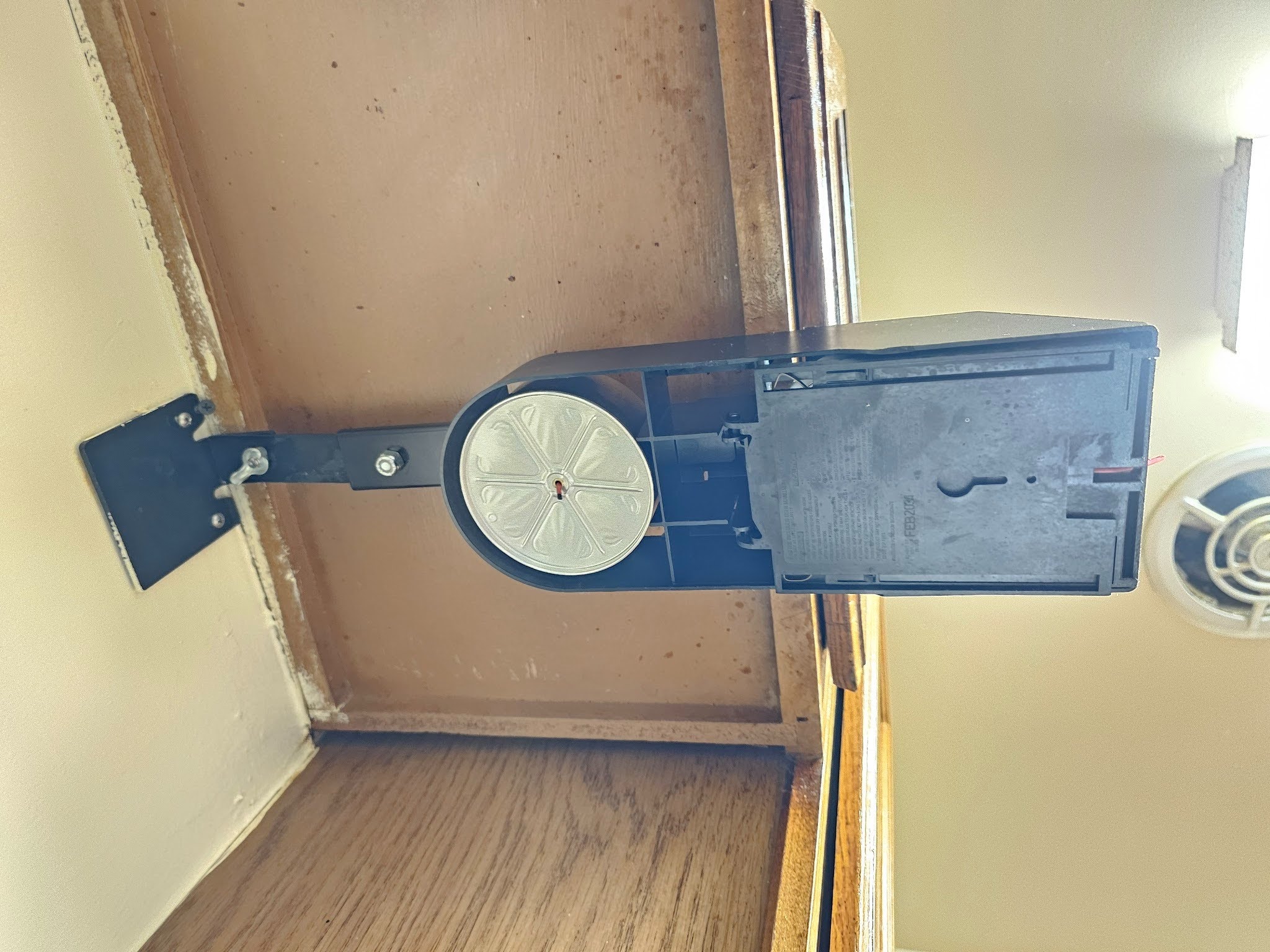
Among other chemicals, some types of these canisters will include siliconized potassium bicarbonate. Unlike other types of fire suppression devices, these canisters are non-pressurized. They work just through gravity, so once the canisters are activated, the chemicals contained will fall into the cooking surface. The chemicals are intended or ostensibly said to be non-toxic. In some cases, sodium bicarbonate can also be used in suppressing fires. We most commonly recognize sodium bicarbonate simply as baking soda. Siliconized Potassium bicarbonate, though, is comparable in some ways but also considered to be better from a firefighting perspective.
The siliconized elements work to prevent caking and clumping. Essentially the siliconized elements will keep the other chemicals independent and more in a powder form so that they can be more easily distributed into a surface or area where there is a fire. These chemicals convert quickly when exposed to heat and fire to form a carbon dioxide that chokes the fire. Together these elements also create a chemical break to the chain of free radicals that keep a fire burning.
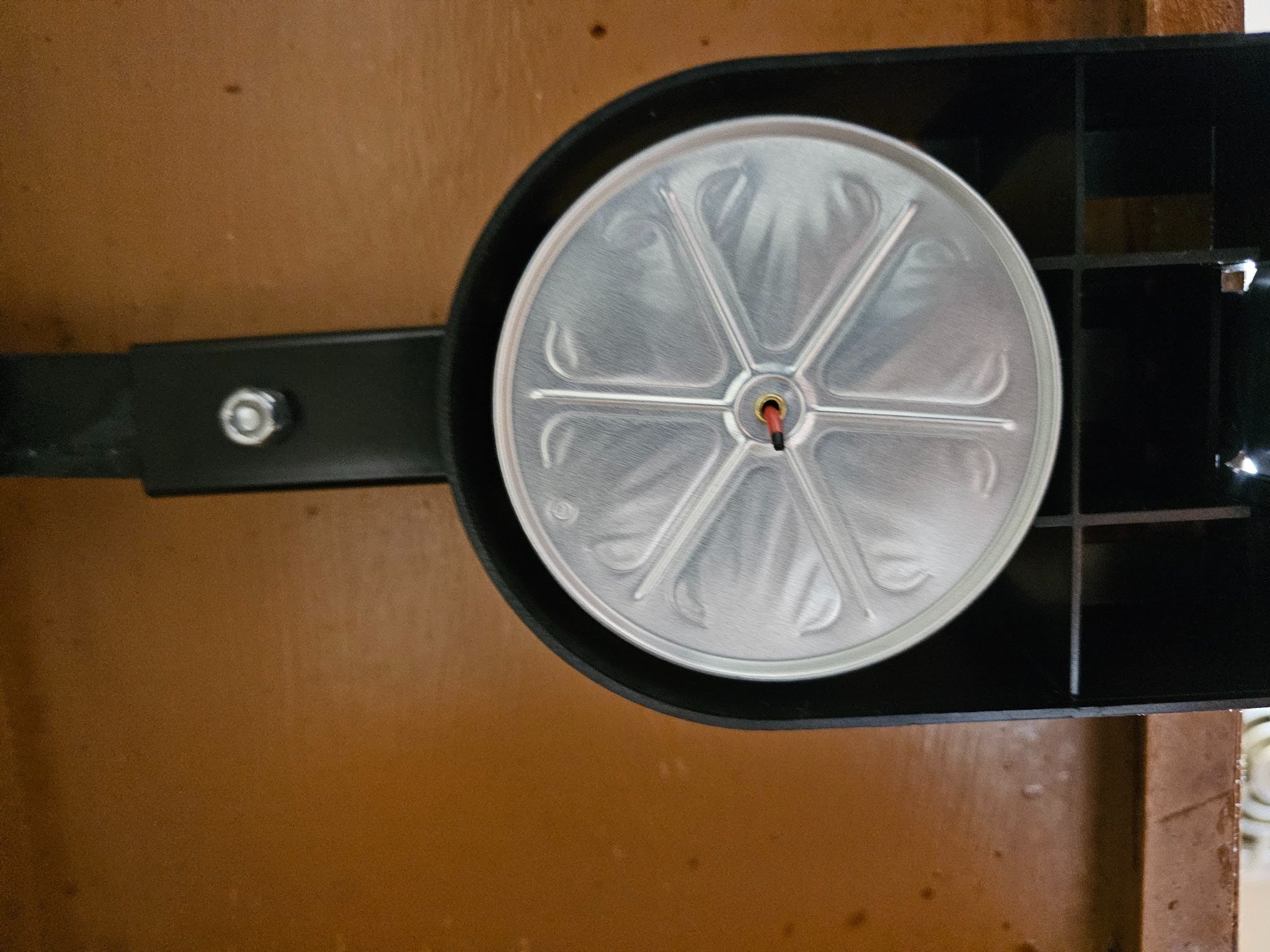
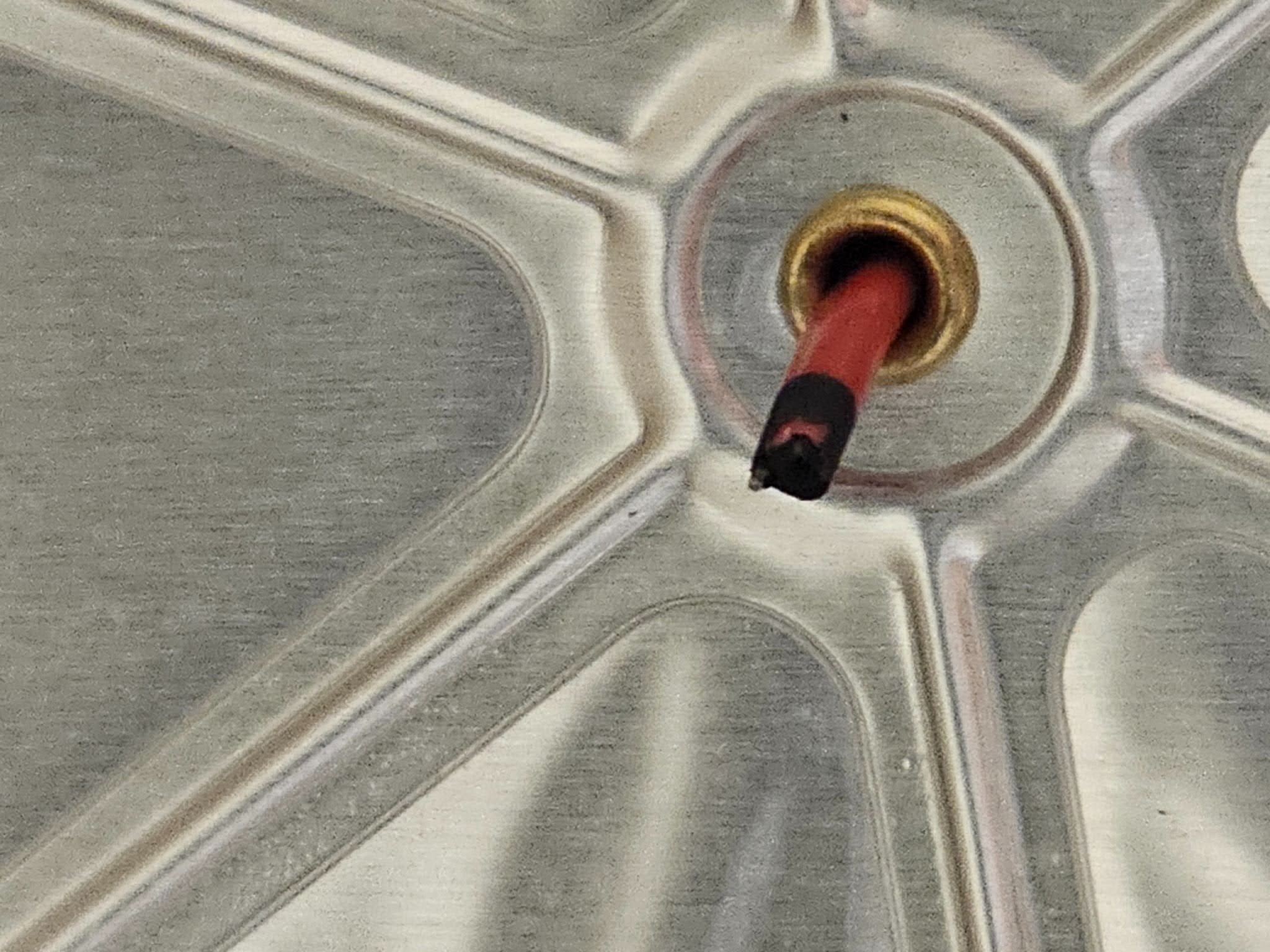
Unlike some sprinkler heads that will intentionally release at temperatures as low as 125° F, this particular system is set with a pair of fuses that have to burn at even higher temperatures. Once those fuses start to ignite, they will continue burning until they release the activation of the canister. Then the chemicals inside the canister will come into play and the chemical reaction will take effect.
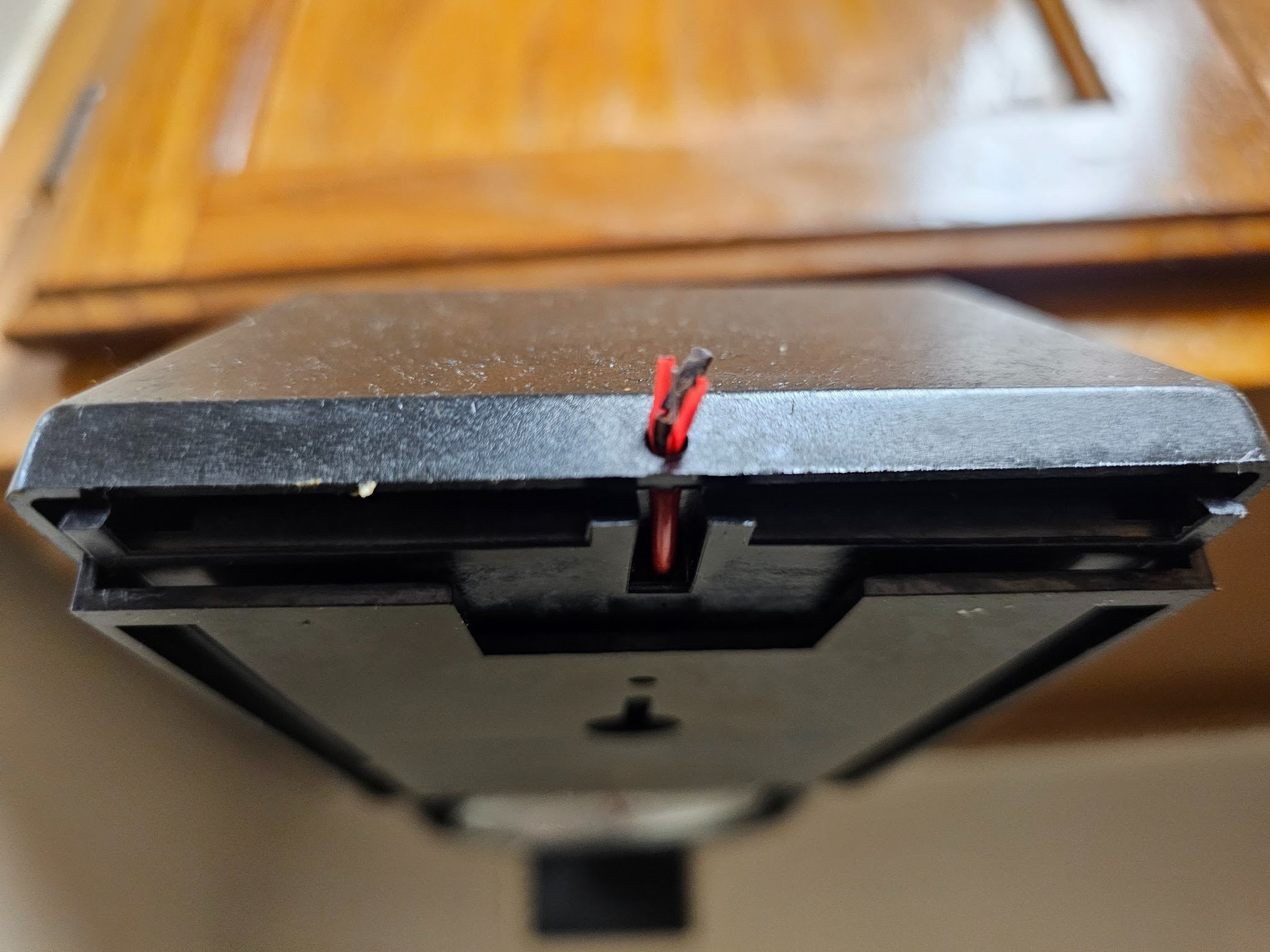
One of the fuses, in the center of the canister, is shown in the next picture below.
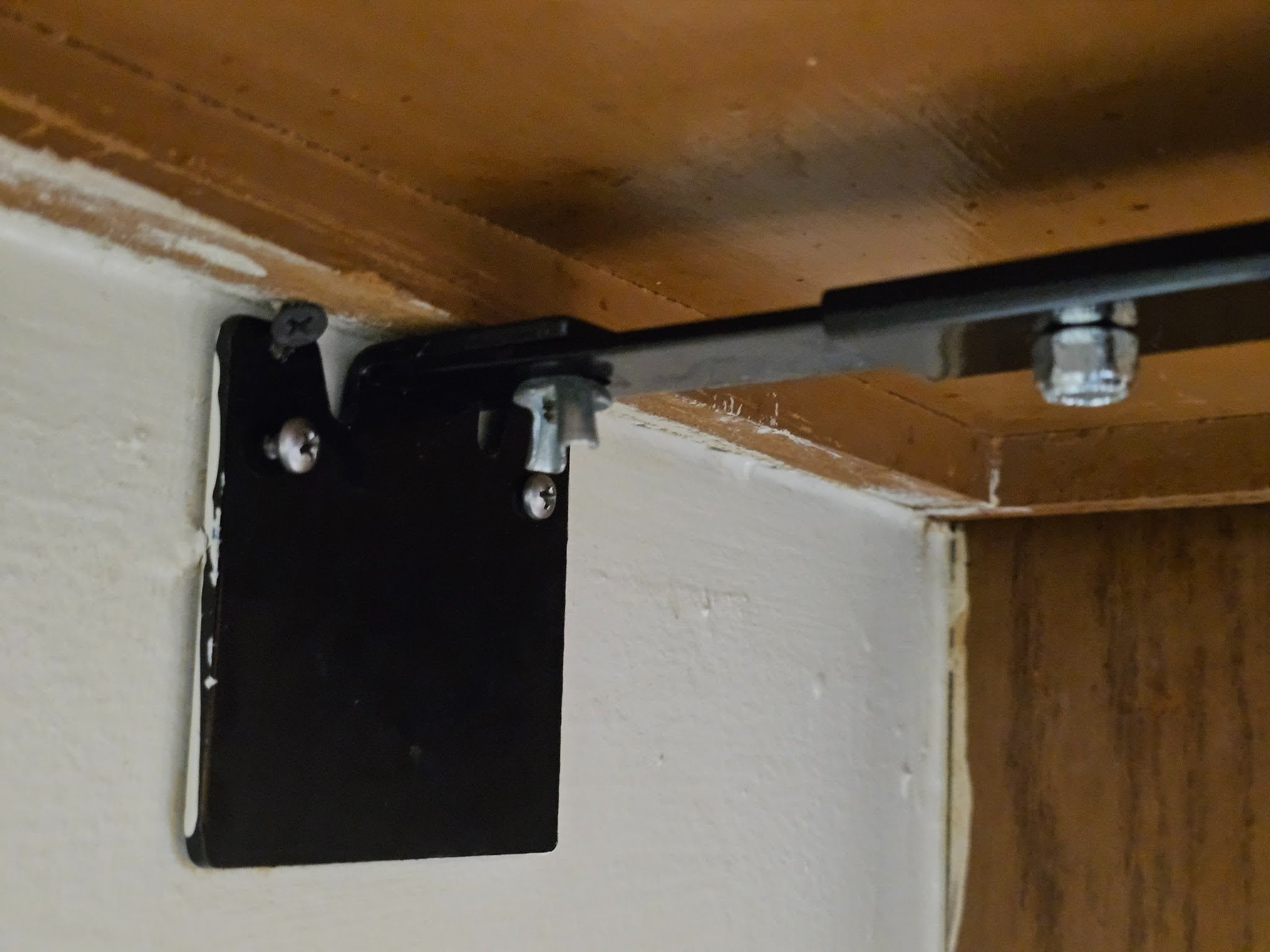
The picture below shows how the mounting bracket is mounted to the back wall of the kitchen. Essentially, these devices can be installed, even independent from the cabinets themselves. A cabinet above though would significantly help with concealing some of the worst of the aesthetic elements, if built into intentionally designed finishes.
Dupont Kitchen & Bath Can Help
As dedicated and local DC metropolitan kitchen and bath builders and installers, we pride ourselves on turning your visions into reality. Your kitchen and bathrooms can reflect your unique style and be designed with personalized aesthetics. It can be a process from creative designs to the realization of your dream space. Specializing in kitchen and bath construction, we bring expertise and skills to every project.
If you’re contemplating a renovation, upgrade, or modernization in the local market, we’re happy to be your team. Consult with us, and we can start together on a path to redefine and elevate your DC living experience.
You can visit our company website at https://dupontkitchenbathdc.com/ Here at our website you will find a simple and convenient web form that you can fill to contact us quickly.