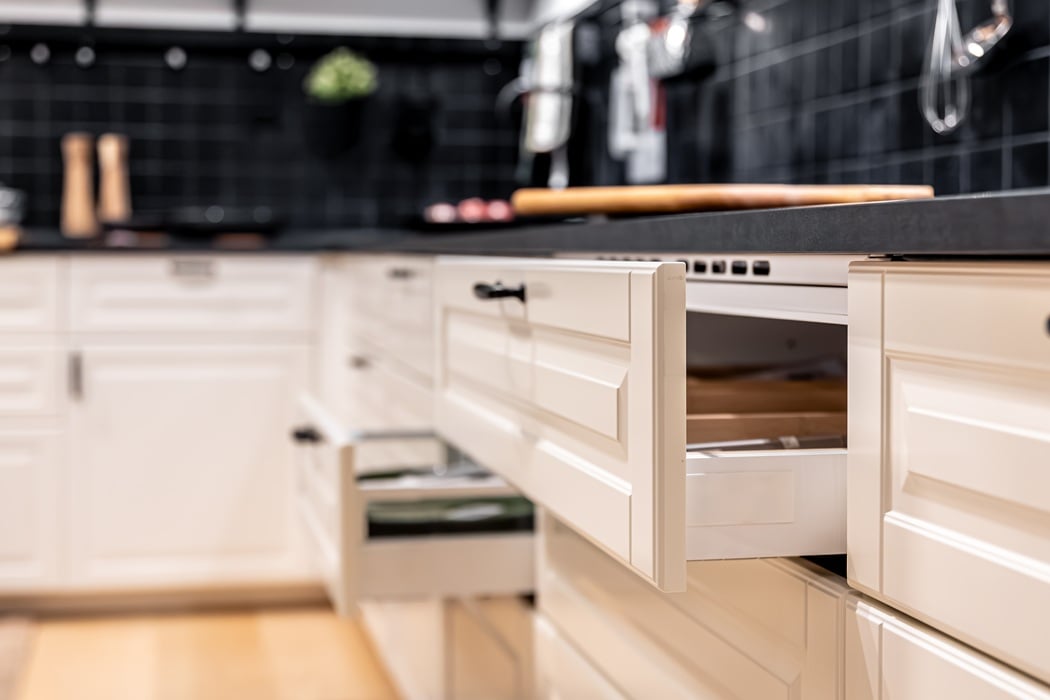
How to Maintain Your Newly Renovated Kitchen for Lasting Beauty in Gaithersburg

How to Maintain a Renovated Kitchen in Gaithersburg

If you’re a homeowner in Gaithersburg who’s just invested in a beautiful new kitchen, this guide is for you. You finally have the modern layout, cabinets, countertops, and finishes you dreamed about, but now comes the real challenge: keeping everything looking just as good as the day the remodel wrapped up. Between daily cooking messes, Maryland humidity, and the wear and tear of busy family life, even a brand-new kitchen can show signs of stress sooner than expected. That’s where a thoughtful maintenance routine and the guidance of a trusted local remodeling expert like Dupont Kitchen & Bath make all the difference.

Why Kitchen Maintenance Matters More Than Most Homeowners Realize

Too many homeowners spend tens of thousands on a kitchen renovation and assume quality materials will “take care of themselves.” They won’t. In Gaithersburg homes, fluctuating humidity, frequent cooking, and daily foot traffic can quietly wear away finishes. Cabinet doors loosen. Stone counters dull. Floors scratch. None of it happens overnight, but it adds up fast if you’re not proactive.

The good news? Most of this damage is preventable with a few smart habits and periodic check-ins.

Daily & Weekly Kitchen Care That Protects Your Investment

Wipe Surfaces the Right Way

  • Make it a daily habit to wipe down countertops and backsplashes using a soft cloth and mild soap with warm water. Avoid harsh cleaners, even “natural” ones with vinegar or citrus, which can damage stone and cabinet finishes over time.

Cabinet doors and drawer fronts require weekly attention, especially around handles, where grease builds up faster than you might expect.

Clean Spills Immediately

Wine, lemon juice, and tomato sauce: these are silent troublemakers. On stone or wood surfaces, even a short delay can lead to staining. Blot spills instead of wiping to avoid spreading moisture.

Always Protect Your Countertops

  • Cutting boards aren’t optional. Neither are trivets or heat mats. Quartz and granite are durable, but they’re not indestructible, and heat damage is permanent.

Manage Moisture Every Time You Cook

Use your range hood or ventilation fan whenever the stove or oven is on. Gaithersburg’s seasonal humidity can trap moisture in cabinets, leading to warping or mold if airflow is ignored.

Long-Term Care Tips That Keep Kitchens Looking New

Seal Natural Stone Annually

  • If your kitchen includes granite or marble, resealing once a year is essential. This invisible barrier prevents oils and liquids from penetrating the surface. The Natural Stone Institute offers excellent care guidelines that homeowners can follow to ensure long-term protection.

Protect Kitchen Floors

Sweep or vacuum regularly to remove grit that scratches the flooring. Place rugs near sinks and high-traffic areas, but choose breathable, non-rubber-backed rugs to avoid trapping moisture beneath.

Check Hardware Before It Becomes a Problem

  • Cabinet handles and hinges loosen naturally with use. A quick tightening every few months prevents misalignment and reduces long-term strain on doors.

Don’t Forget Your Appliances

Clean dishwasher filters, wipe refrigerator seals, and clear range hood vents according to manufacturer instructions. ENERGY STAR recommends regular appliance maintenance to preserve efficiency and performance.

Gaithersburg-Specific Maintenance Considerations

Local homes deal with real seasonal shifts, hot, humid summers and cold winters. That expansion and contraction affects wood cabinetry and flooring more than most homeowners expect. A simple but smart move? Use cabinet liners under sinks and in base cabinets. They protect against unnoticed leaks and condensation damage, especially important in older Gaithersburg homes with legacy plumbing.

How to Make Your Kitchen Look Beautiful Year After Year

Consistency beats perfection. A few minutes a day, a deeper clean once a week, and seasonal checkups go a long way. Stick to manufacturer-approved cleaners, respect your materials, and don’t ignore small issues; they’re always cheaper to fix early. And if something feels off, such as cabinet alignment, surface wear, or moisture concerns, it’s worth getting professional eyes on it.

When Maintenance Feels Overwhelming, Help Is Closer Than You Think
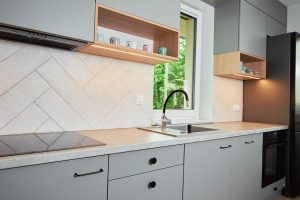
Gaithersburg homeowner maintaining cabinets and countertops in a recently renovated kitchen

One of the advantages of working with Dupont Kitchen & Bath is that their relationship with homeowners doesn’t end when the remodel does. Their team understands the materials they install, the realities of Montgomery County homes, and how to keep kitchens performing beautifully long after construction is complete.

If you’re planning a renovation or want expert guidance on maintaining the one you just finished, reach out and talk it through. Call (202) 831-4869 to speak with the Dupont Kitchen & Bath team and protect your kitchen investment for years to come.
On Key

Related Posts

The tile used on his bathroom is an unterminated or hexagonal tile with an embossed texture. Unlike most wall tile installations which terminate all the way up at the corner of the joint between the wall plain or have a termination strip, this tile is installed with a raw staggered edge. Sometimes an edge like this is called a floating edge. If you look in the picture below, you can see that the tile at the vertical inside corner of the wall is cut to fit the shape provided by the wall plane. The top of the tile though is left raw to just follow a staggered edge of the hexagonal tile itself. The staggered unterminated edge of the tile doesn't necessarily look bad, in this example. They've been careful during installation to not let mortar ooze out in a way that looks rough or unfinished. At the lower tiles though, in the picture below, you can see the top of that unterminated edge. There are two problems with that kind of unterminated edge. First, you can see the raw edge of the tile itself. Since this is not a solid piece of natural material, the front or exposed face of the tile is a different color than the internal composition or body of the tile. When it's exposed like this and doesn't have a terminating edge you can see that difference which makes it visually apparent that it's not a real material. It's a manufactured material. The second problem with this type of unterminated edge is that the mortar itself has a thickness of roughly 1/8 of an inch. When applied with a 3/16 inch Notch trowel, the mortar becomes compressed but still even when flattened as much as possible there still is a thickness of that mortar. Once it is dry and cured, you can still see the thickness of that mortar. In almost all cases of tile installation, unlike stone masonry or even brick masonry, the tile mortar is not intended to be exposed at the joints. In between joints, in the field of the tile, the mortar will be covered with a colored grout. In this case, the tiles are set so tightly that there is almost no visible grout line between them. The grout used is a color that's very similar to the tile and the effect works. In some cases when the tile has a variation of significant color difference between the ranges of colors within the tile it's difficult to have a grout that complements or blends. Here though because the colors continuous across the face of the tile and the grout has been matched so well, you can't even hardly notice it. You can see that joint or between the back of the tile and the wall very clearly in the next picture below. You can see there's a very thin line with a black dark shadow between the tile and the wall. In some cases, when a tile is left unterminated at the edge, a gun applied caulking can be applied across the edge, smoothed, to almost make it look intentional. Sometimes in bathrooms without really good ventilation, if there's steam from hot water, that steam can condensate and build on the wall. When the vapor droplets accumulate enough they'll roll down the wall and in this case they'll sit on top of and get back behind the edge of the tile. That's one of the downsides, here though, this bathroom is just like a powder room with a toilet and a sink, but it doesn't have a shower. Most of the steam moisture buildup in bathrooms comes from showers. In the picture below you can see the distance between the other side of the ceiling and the top of the tile. Here they were at least smart enough to bring the top of the tile to a point that's above eye level. Typical eye levels are around 60 to 75 inches above the finished floor height. The mirror used above the bathroom sink has an integral LED light that wraps the perimeter of the round mirror. It basically provides a dramatic high contrast to the adjacent tile. That high contrast accentuates the texture of the tile. This tile has this intentional embossed or relief texture which is well employed when lit in a way that emphasizes the texture. The next picture below shows a close-up view of that edge at the top of the tile. Dupont Kitchen & Bath Can Help As dedicated and local DC metropolitan kitchen and bath builders and installers, we pride ourselves on turning your visions into reality. Your kitchen and bathrooms can reflect your unique style and be designed with personalized aesthetics. It can be a process from creative designs to the realization of your dream space. Specializing in kitchen and bath construction, we bring expertise and skills to every project. If you're contemplating a renovation, upgrade, or modernization in the local market, we're happy to be your team. Consult with us, and we can start together on a path to redefine and elevate your DC living experience. You can visit our company website at https://dupontkitchenbathdc.com/ Here at our website you will find a simple and convenient web form that you can fill to contact us quickly.

Hex Wall Tile

Modern Hex Wall Tile for Bathrooms in Washington DC The tile used on his bathroom is an unterminated or hexagonal tile with an embossed texture.