Advanced Spanish Bond Ceramic Tile Design in DC
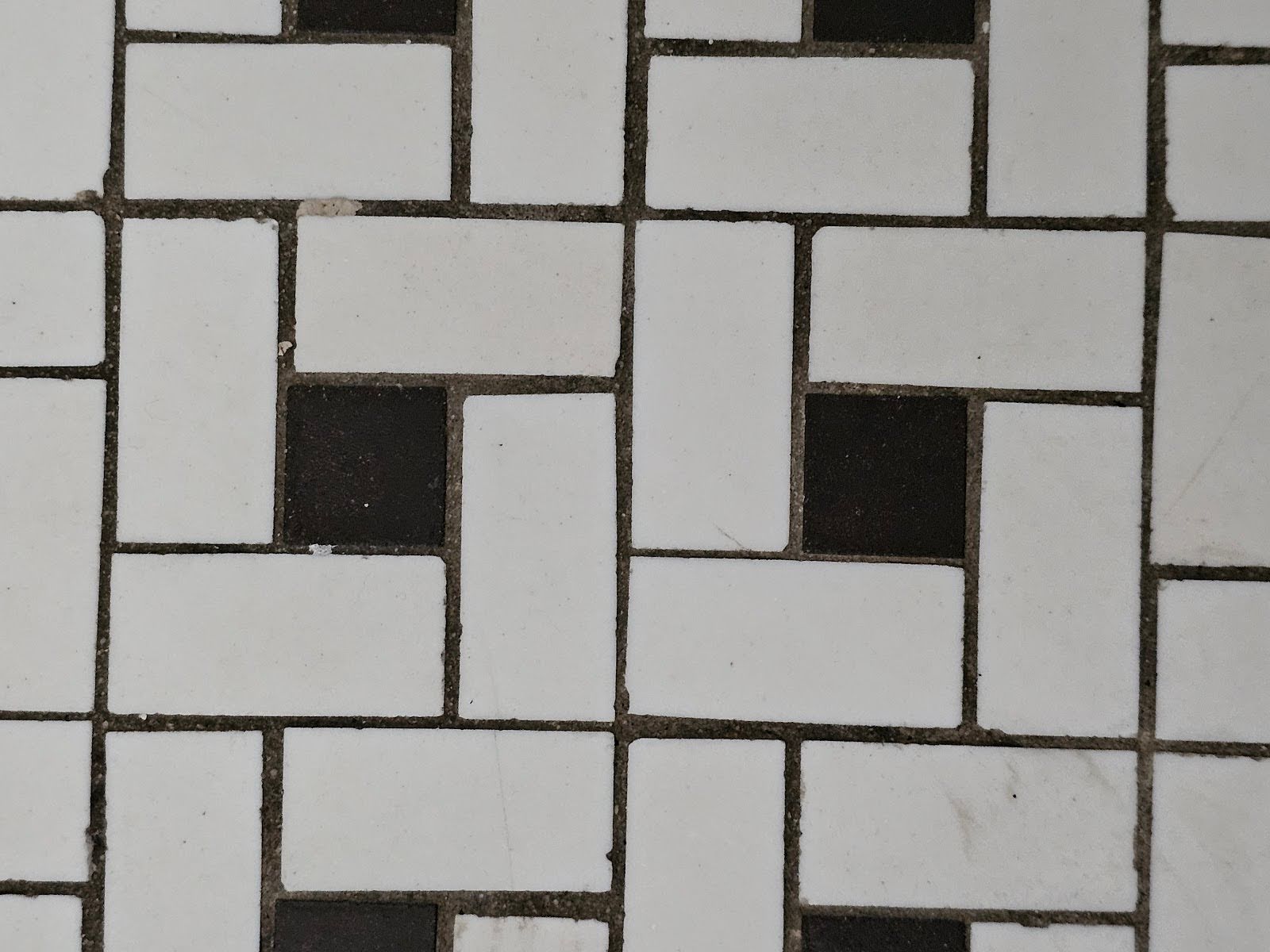
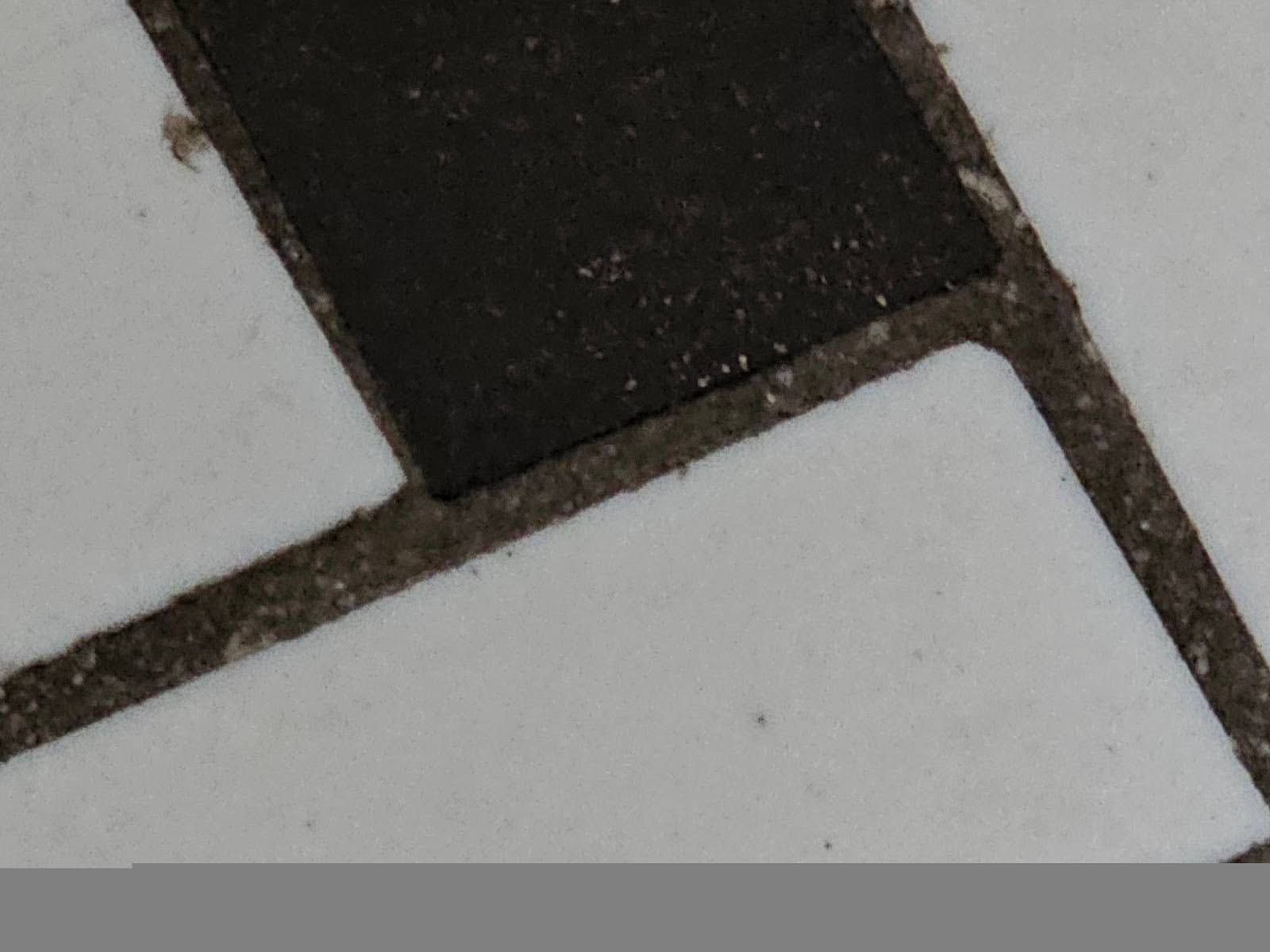
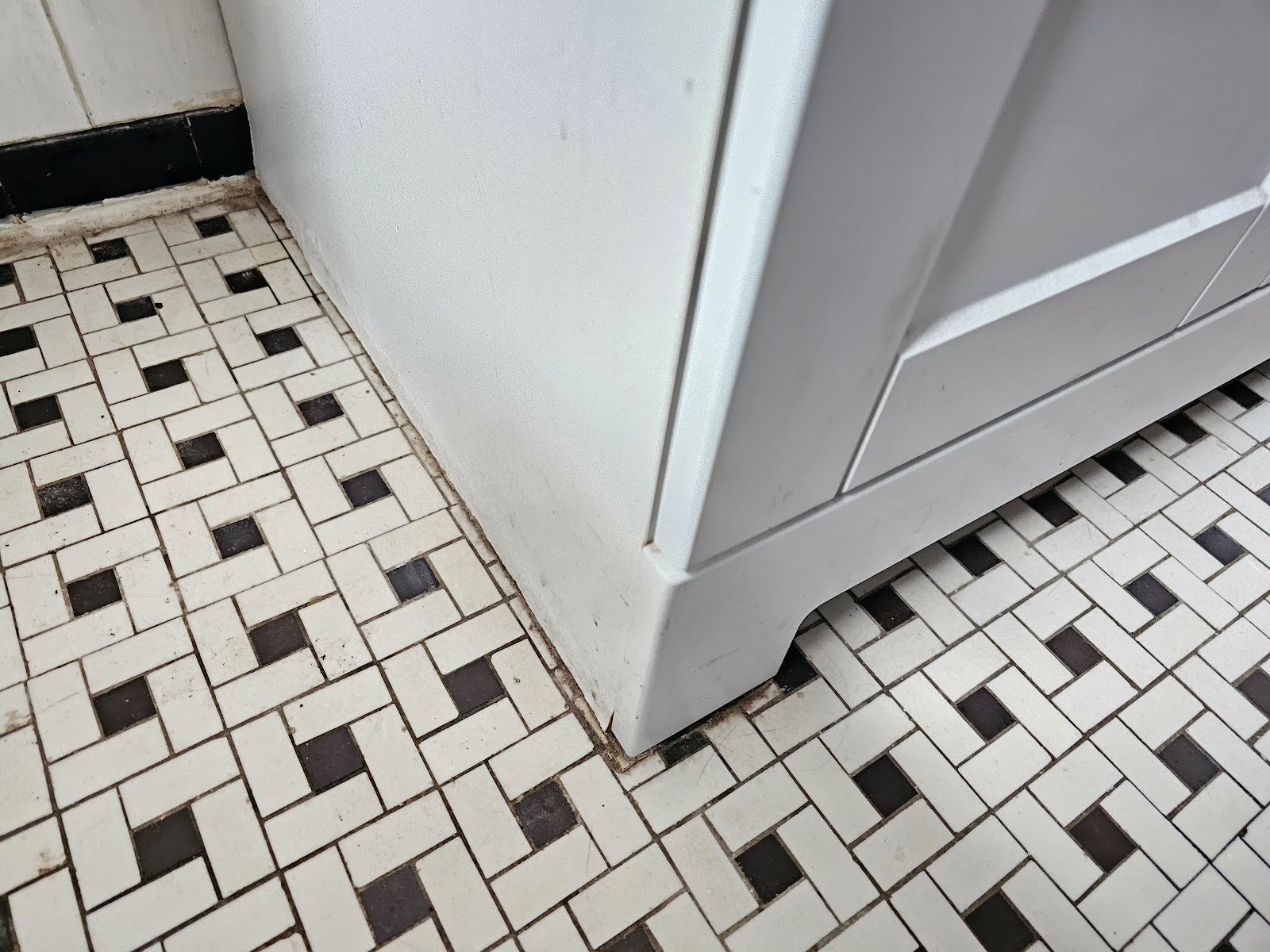
This past week, we started taking a look at a type of historic tile floor in a bathroom. The pattern of the floor is a Spanish bond, also known commonly as a pinwheel layout. This past week, we talked about some of the major differences in the materials used in the historic tiles. Unlike the modern tiles, the historic tiles have a single consistent color through the entire body of the tile. That makes them more durable because chips and scratches and wear over many decades will not reveal a different color body below the glazing. In fact there is no glazing. The tile itself has a high degree of impermeability throughout.
In addition to these differences, there’s also differences in the methods of installation. Modern tiles are installed in a much faster and lighter weight type of way. Today, we’ll discuss some of these differences.
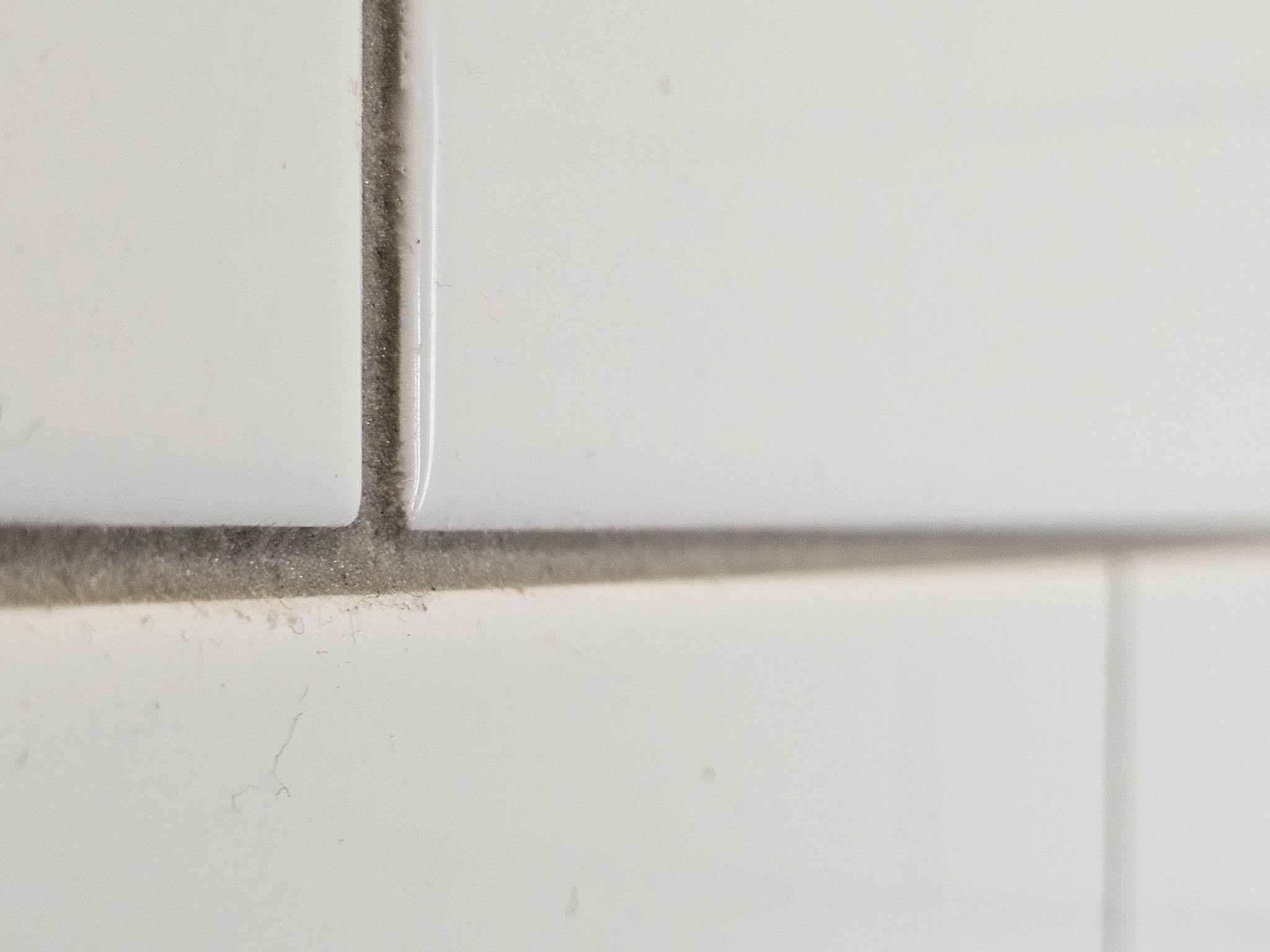
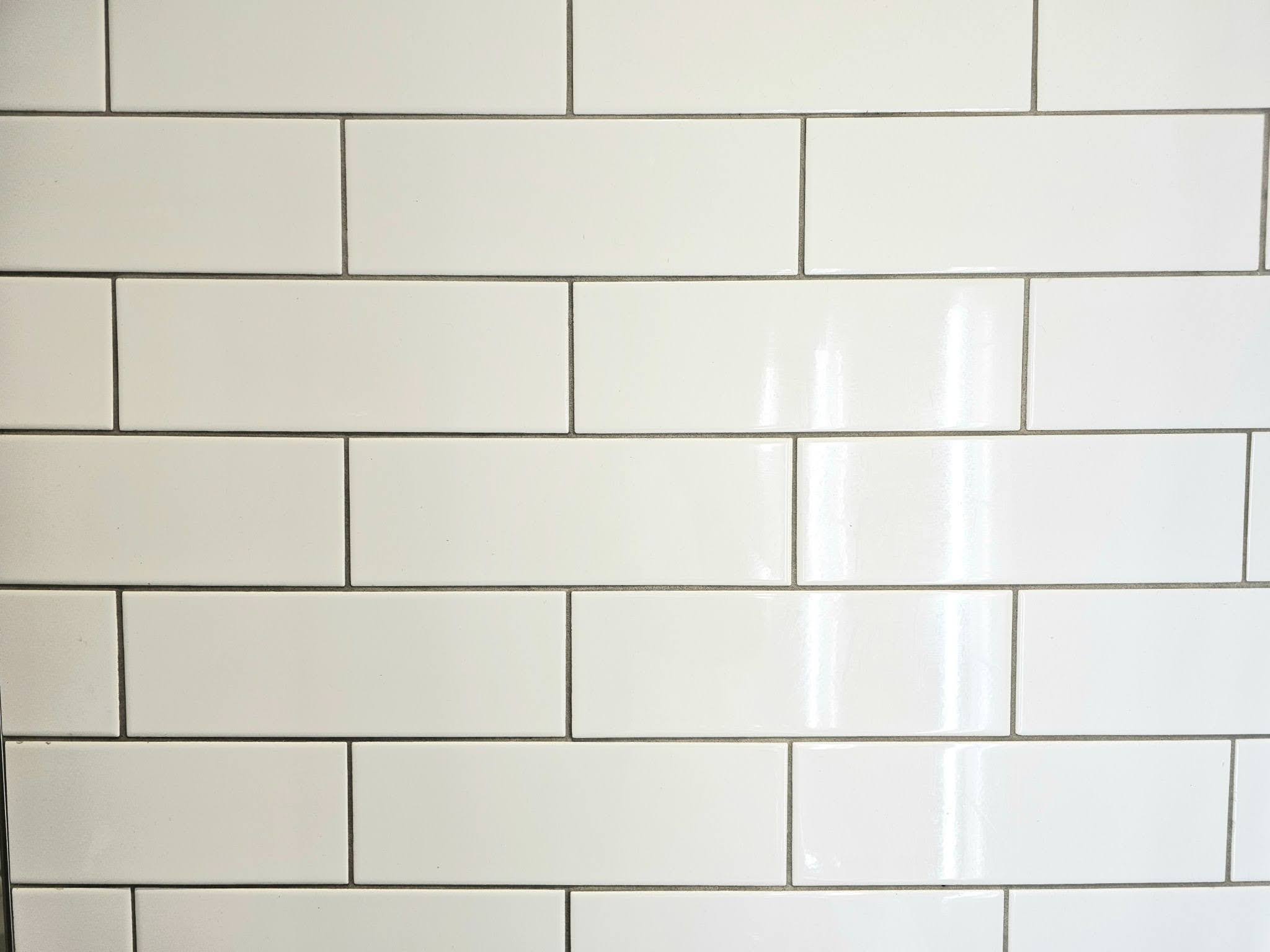
Contemporary tile mortar can be installed directly on top of a proper tile substrate. When the tile is then set into that wet mortar, it becomes adhered. There’s a high degree of adhesion right when the tile is first set, but that as he’s an increases exponentially as the mortar cures. You could think of that initial adhesion as just the resistance suction. This is a suction bond. You could think of it the same way you think of peanut butter, as an analogy.
If you take a textbook and lather one of the covers with a sufficient coat of peanut butter and then slap it down onto a glass table top, the book will stick to the table top. It’ll even be a little bit difficult to remove. The difference here though is that after the initial type of suction adhesion, the tile mortar will crystallize and harden significantly, locking the tile into place. The peanut butter won’t do that. The initial suction bond is very important though. Without it, the work of setting and installing tile would be very difficult.
You essentially could accidentally move any previously set tile out of place very easily by accidentally making any contact with it. Here, the mortar, right off the bat, provides some resistance.
Generally, different tiles will require different thicknesses of mortar beds, but sizes range from roughly one quarter inch notched trowel to slightly larger. In the case of a quarter inch notched trowel, there are essentially spaces that separate a quarter inch square opening by a quarter inch square metal tooth. By applying mortar with a quarter inch notched trowel or any notched trowel, for that matter, it essentially measures or calibrates the amount of mortar laid onto the substrate.
A quarter inch notched trowel, when used properly, will apply a mortar bed of roughly 1/8 inch thickness. Except, there are some qualifying details. When applied with a notched trowel, the mortar will stand up in ridges instead of laying down flat. That depends of course on whether or not the mortar is mixed to the proper consistency.
When properly mixed, the tile mortar should have a high degree of thixotropy. In the industry, some specialists describe thixotropy, as it applies to laying tile mortar on a substrate with a notched trowel, as body or sag resistance. Really, it is about rib stability and mortar standing consistency. A notched trowel applies the mortar in lines, as if it’s being scratched with many evenly spaced and evenly sized fingernails across the substrate.
Some of the unique characteristics of modern mortar give it this ability or characteristic which allows it to have a body or sag resistance. Unlike historic mortar which was basically a mixture of just straight portland cement, hydrated with water, Modern mortar is modified and includes other elements. Some of those other elements are cellulose fibers and polymers that provide internal fracture resistance, once secured, but also increase the volume and body of the workable surface.
In a separate future blog article, we’ll also talk about some of the drastic floor framing differences between modern tiles and historic tile.
Dupont Kitchen & Bath Can Help
As dedicated and local DC metropolitan kitchen and bath builders and installers, we pride ourselves on turning your visions into reality. Your kitchen and bathrooms can reflect your unique style and be designed with personalized aesthetics. It can be a process from creative designs to the realization of your dream space. Specializing in kitchen and bath construction, we bring expertise and skills to every project. If you’re contemplating a renovation, upgrade, or modernization in the local market, we’re happy to be your team. Consult with us, and we can start together on a path to redefine and elevate your DC living experience.
You can visit our company website at https://dupontkitchenbathdc.com/
Here at our website you will find a simple and convenient web form that you can fill to contact us quickly.