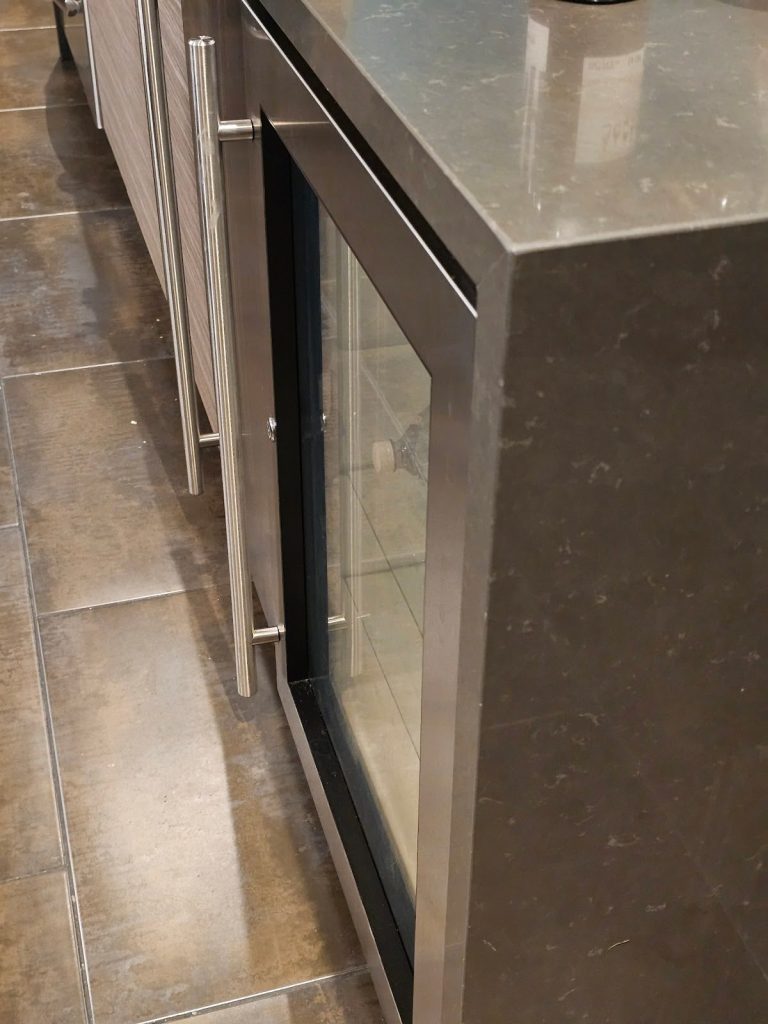
This past week, we took a look at an example of an under countertop refrigerator. That particular refrigerator happened to be paired with a freezer. We discussed some of the elements of why these particular types of appliances can be convenient, either in kitchens with main refrigerators, as an accompaniment, and or in separate kitchenettes outside of the kitchen. They’re useful in some cases as wine coolers and with this particular type that had an accompanying ice maker, it can be particularly useful for house parties and entertaining.
Today we’re going to talk about some of the electrical requirements for kitchens and bathrooms, details that are particularly useful to know during renovations. We’re all going to discuss the fit and pairing with cabinets and countertops.
Generally, kitchens can have installations that range and power usage between 110 to about 240 volts. The voltage can indicate the strength or power requirements of the appliances. Typically, the majority of a residential home will use 110 volt electricity for the majority of the typical things. Some of them typical things include the wall receptacles used in the majority of the house and power supplies to much of the smaller devices, equipment, and appliances. A typical blender, for example, may have a very high power draw, but will normally still fit within the range of 110 volts. A toaster oven and or air fryer may have similar high power requirements.
Although they all mostly still use the lowest range of typical household electricity, at 110 volt, they may have amp draws that are high within taht range of what’s acceptable in that lower voltage.
We should note though that when we say “lower voltage” we’re not specifically speaking about “low voltage”. Low voltage is generally designated for things like communications and data distribution. In some cases actual low voltage devices and or appliances may only use voltages as low as 8 volts. Often those items are not actually considered electrical but separate in a realm of just communications. In most cases, very low voltage elements like that are separate from the line voltage used for powering typical lighting and appliances throughout the home. In fact, communications and/or telephone wiring will not even enter into the same electrical control panel used for the distribution of electricity throughout the home.
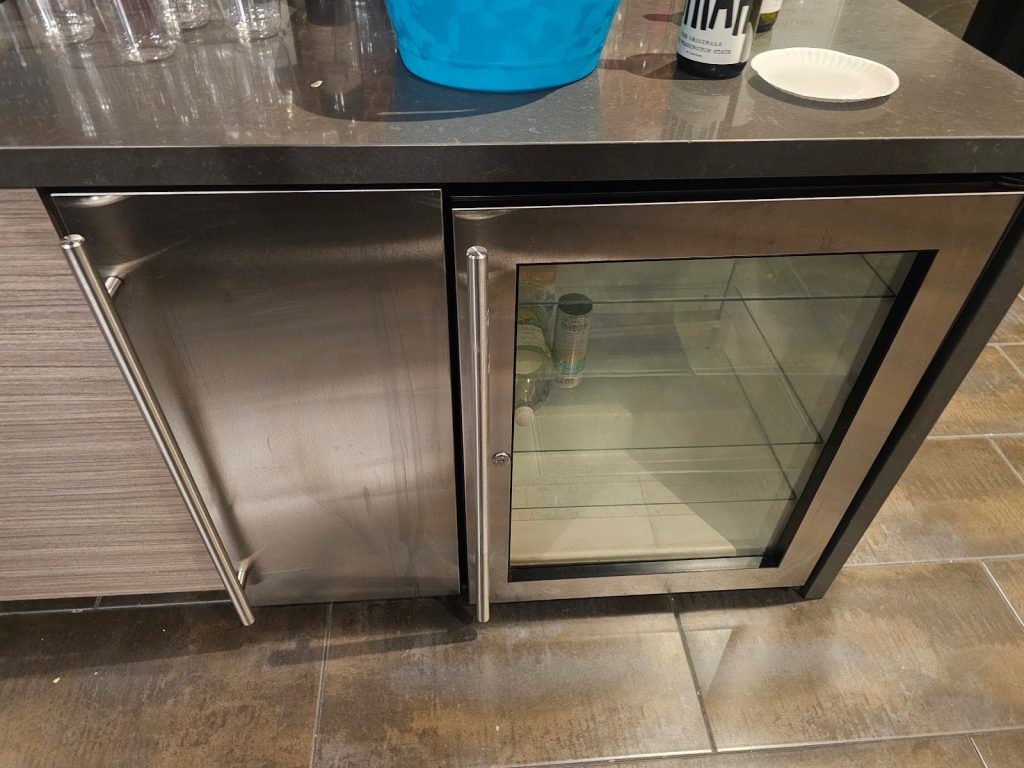
Refrigerators, although they may use a relatively high-powered compressor to create the refrigeration, still, and most cases, specially in residential circumstances, most often use just 110 volt power. 220 or 240 volt power is not uncommon in kitchens though. Particularly where there are electric ranges or ovens, the 220 or 240 volt power may be used to provide a yet higher class of power.
These ovens and cooking ranges require a significant amount of energy to be able to heat things up quickly and at high temperatures. In most cases though, even though the refrigerator might be keeping things cold, they can use just 110 volt power. When you think about a freezer, that keeps a large amount of food significantly below the freezing point, you may mistakenly think that this can only be done with extremely high power supplies.
The best refrigerators though, while using good compressors and refrigeration systems, also have the best insulation. When a freezer or refrigerator is very well insulated, the energy that is converted into cooling can have an exponentially powerful effect. Essentially, it takes very little energy to keep something cold once it’s already been brought down to a freezing point or a cooling temperature, if the insulation is well built in the freezer or refrigerator.
This is one of the many reasons it’s so important to not stand at the fridge or refrigerator with the door open for any time longer than necessary. Many people don’t understand this. Some people just leave the refrigerator door open for periods of time that are much longer than actually necessary.
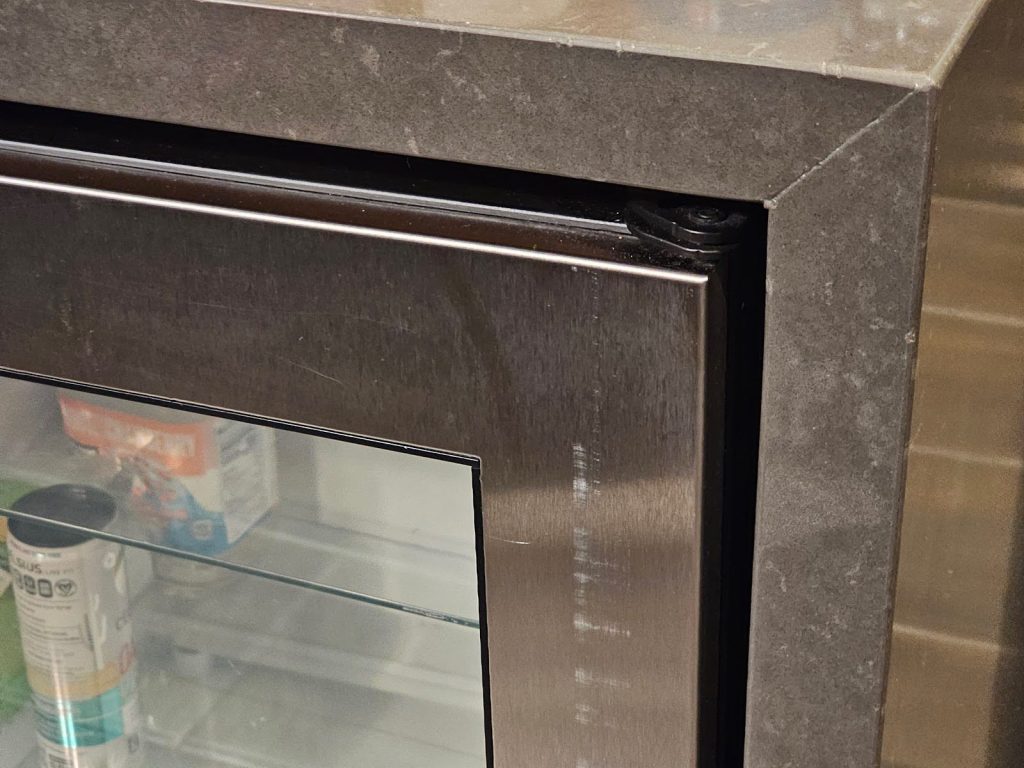
At the risk of sounding like we’re nagging, we think it’s important for our clients and for everyone to know that the way these appliances actually work, is a combination of good refrigeration systems and really superb insulation. Between the sides and the doors of these refrigerators and freezers, they’re packed with some of the most efficient thermal resistance insulation available. That’s one of the reasons they work so well and it’s also part of how they receive their energy efficiency rating. In effect, it’s important for people to understand that they shouldn’t leave the refrigerator freezer doors open any longer than truly necessary.
Dupont Kitchen & Bath Can Help
As dedicated and local DC metropolitan kitchen and bath builders and installers, we pride ourselves on turning your visions into reality. Your kitchen and bathrooms can reflect your unique style and be designed with personalized aesthetics. It can be a process from creative designs to the realization of your dream space. Specializing in kitchen and bath construction, we bring expertise and skills to every project. If you’re contemplating a renovation, upgrade, or modernization in the local market, we’re happy to be your team. Consult with us, and we can start together on a path to redefine and elevate your DC living experience.
You can visit our company website at https://dupontkitchenbathdc.com/
Here at our website you will find a simple and convenient web form that you can fill to contact us quickly.