Solid surface countertops offer a variety of edge and corner details, providing flexibility in design and functionality. Here are some of the options:
Pencil Edge: This is a subtle, slightly rounded edge profile. The typical radius for a pencil edge is about 1/16 inch to 1/8 inch (1.5mm to 3mm). This creates a soft edge that’s less prone to chipping compared to a sharp square edge, while maintaining a clean, modern look.
Roundover Edge: For a softer, more pronounced curve, roundover edges are popular. These can range from a 1/4 inch (6mm) radius for a gentle curve, up to a full 1/2 inch (12mm) or even 3/4 inch (19mm) radius for a more dramatic, rounded profile. This edge style is comfortable to lean against and easy to clean.
Bullnose Edge: This is a fully rounded edge that creates a half-circle profile. The radius typically matches the thickness of the countertop, so for a standard 1/2 inch thick solid surface, the bullnose would have a 1/4 inch radius.
Beveled Edge: This involves cutting the edge at an angle, typically 45 degrees, for a sleek, modern look. The bevel can be small (1/8 inch or 3mm) or more pronounced (up to 1/2 inch or 12mm).
Ogee Edge: This is a more decorative option featuring an S-shaped curve. It adds a touch of elegance and is often used in traditional or transitional kitchen designs.
Waterfall Edge: As mentioned earlier, this involves continuing the countertop material down the side of the cabinet or island, creating a dramatic, contemporary look.
Corner Radius: The corners of solid surface countertops can also be customized. Instead of sharp 90-degree corners, they can be rounded for safety and style. Common corner radii include 1/2 inch (12mm), 1 inch (25mm), or even larger for a more dramatic curve.
Integrated Sink: Solid surface materials allow for seamless integration of sinks, where the sink is formed as part of the countertop for a smooth, continuous surface.
Inlays and Patterns: The material can be cut and inlaid with contrasting colors or patterns to create unique designs or logos.
Thermoforming: Solid surface materials can be heated and formed into curved shapes, allowing for uniquely shaped countertops or integrated backsplashes.
Edge Stacking: For a thicker edge appearance, thin layers of solid surface material can be stacked and seamlessly joined to create various thick edge profiles.
These options can be mixed and matched to create custom designs. For example, you could have a countertop with a rounded front edge, radiused corners, and a curved integrated backsplash. The versatility of solid surface materials allows for a high degree of customization to suit various design preferences and functional needs.


 Solid surface countertops, made from materials such as acrylic, polyester, or a combination of both, can be manufactured with integral backsplashes in a single, seamless piece. This capability is one of the key advantages of solid surface materials over other common countertop materials. The process of creating these integrated designs involves a few important steps and characteristics inherent to solid surface materials.
Some Manufacturing Process Details:
- Molding and Casting: Solid surface materials can be molded and cast into various shapes. During the manufacturing process, liquid resin is poured into molds that define the desired shape of the countertop and the backsplash. The resin cures and hardens, forming a solid, seamless piece. This flexibility allows manufacturers to create countertops with integrated backsplashes without any seams, joints, or visible transitions.
- Thermoforming: Some solid surface materials can be heated and bent into specific shapes. This thermoforming process allows for the creation of custom edges, curves, and integrated backsplashes. Once the material cools, it retains its new shape, resulting in a seamless and continuous surface.
- Fabrication and Joining: Solid surface materials can also be fabricated using precision tools. In cases where large countertops are required, smaller pieces can be joined using color-matched adhesives and then sanded to create an almost invisible seam. This ability to seamlessly join pieces extends to integrating backsplashes into countertops.
Advantages of Integrated Backsplashes:
- Hygiene and Maintenance: Integrated backsplashes eliminate gaps and seams where water, dirt, and bacteria can accumulate. This makes cleaning easier and reduces the risk of mold and mildew growth, which is particularly important in kitchens and bathrooms.
- Aesthetic Appeal: The seamless appearance of integrated backsplashes provides a sleek and modern look. Without visible seams or joints, the countertop and backsplash appear as a single, cohesive unit, enhancing the overall design of the space.
- Durability and Longevity: Solid surface materials are non-porous and resistant to stains, scratches, and heat. The absence of seams in integrated backsplashes means fewer weak points that could potentially crack or degrade over time, ensuring a longer-lasting installation.
Limitations of Other Materials:
- Granite and Marble: Natural stone materials like granite and marble cannot be molded or cast into shapes. These materials are quarried in large slabs and then cut to size. Creating an integrated backsplash from these materials would require complex and expensive fabrication techniques. Furthermore, the inherent brittleness of natural stone makes it difficult to create seamless joints without visible seams.
- Quartz: Engineered stone like quartz also comes in slabs and shares some limitations with natural stone. Although quartz is more flexible and less prone to cracking, it still requires precise cutting and joining, making it challenging to create truly seamless integrated backsplashes.
- Laminate: Laminate countertops consist of a thin layer of plastic laminate bonded to a particleboard or plywood substrate. While laminate can be formed around edges, it cannot be molded into integrated backsplashes. Seams and joints are inevitable with laminate, and the backing materials are susceptible to water damage if not properly sealed.
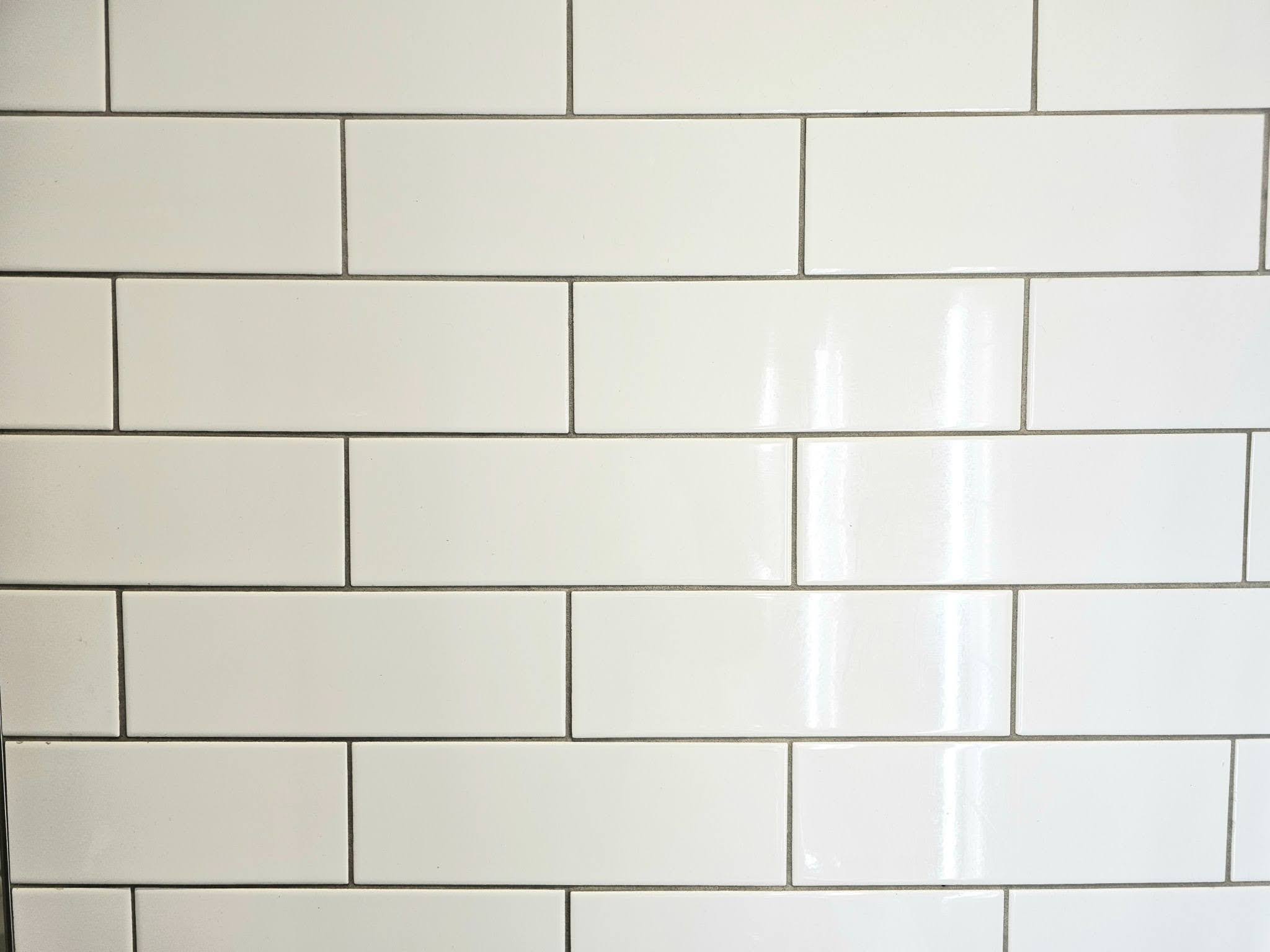
- Tile: Tile countertops and backsplashes consist of individual tiles set in mortar and grouted together. While tile offers design flexibility, it inherently includes seams and joints between each tile, making it impossible to achieve a seamless, integrated look.
This unique property of solid surface materials allows for the creation of countertops with integral backsplashes in one seamless piece, offering advantages in terms of hygiene, aesthetics, and durability where most other common countertop materials, due to their manufacturing limitations and physical properties, cannot achieve the same level of seamless integration and therefore require separate pieces for countertops and backsplashes.
Dupont Kitchen & Bath Can Help
As dedicated and local DC metropolitan kitchen and bath builders and installers, we pride ourselves on turning your visions into reality. Your kitchen can reflect your unique style and be designed with personalized aesthetics. It can be a process from creative designs to the realization of your dream space. Specializing in kitchen and bath construction, we bring expertise and skills to every project. If you’re contemplating a renovation, upgrade, or modernization in the local market, we’re happy to be your team. Consult with us, and we can start together on a path to redefine and elevate your DC living experience.
You can visit our company website at https://dupontkitchenbathdc.com/
Here at our website you will find a simple and convenient web form that you can fill to contact us quickly.