Ceramic Tile Termination Strips: Edge Finishing Explained
Ceramic and porcelain tiles are available from many places of the world in an incredibly vast range of colors and designs. They can be purchased or procured in different shapes and sizes. They’re also available with different textures and finishes at the surface. Many of the different shapes and colors of the tiles also come with different surface applications to provide aesthetic differences such as sheen or luster versus traffic texture.
Traffic texture, for example, is needed and important in wet floor areas. For example, a very glossy and slick tile would be a bad idea in a shower pan or shower floor because it would be very slippery when wet. By comparison, there are tiles available that have resistance to slippage. Different features of tile have different purposes.
Here, in today’s article we’re looking at the way that the edges of those tiles can be treated. One of the problems with having such a wide range of ceramic materials out there on the market and available is that there’s a lot of variation in the methodologies and means by which they are created. It’s ok not to have a bullnose edge, in fact the great vast majority of ceramic tiles do not have a bullnose edge.
Even in tiling where a bullnose edge is applied, generally the bullnose will be at the edge of a special edge band type specialized accessory tile, not the field tile. Field tiles are the main tile pieces used. Normally field tiles do not have finished edges. The problem here though is that the vast majority of tiles are not manufactured with an accessory piece such as a bullnose nose edge band that will match the main field tile tile.
In certain types of tiling, particularly in special types of porcelain, the body of the tile will be made to be a color similar to the facing of the tile. It’s sometimes called a color body or thorough body. It’s not common. In those cases though you can set a tile edge at an outside corner where the edge will be uncovered and it will not necessarily look unfinished. In typical porcelain and ceramic tiling though, the body of the tile, essentially the clay or earthen substrate material, is generally a significantly different color than the finish or glaze at the surface of the tile. Where the edge is shown, you will see that mismatched color.
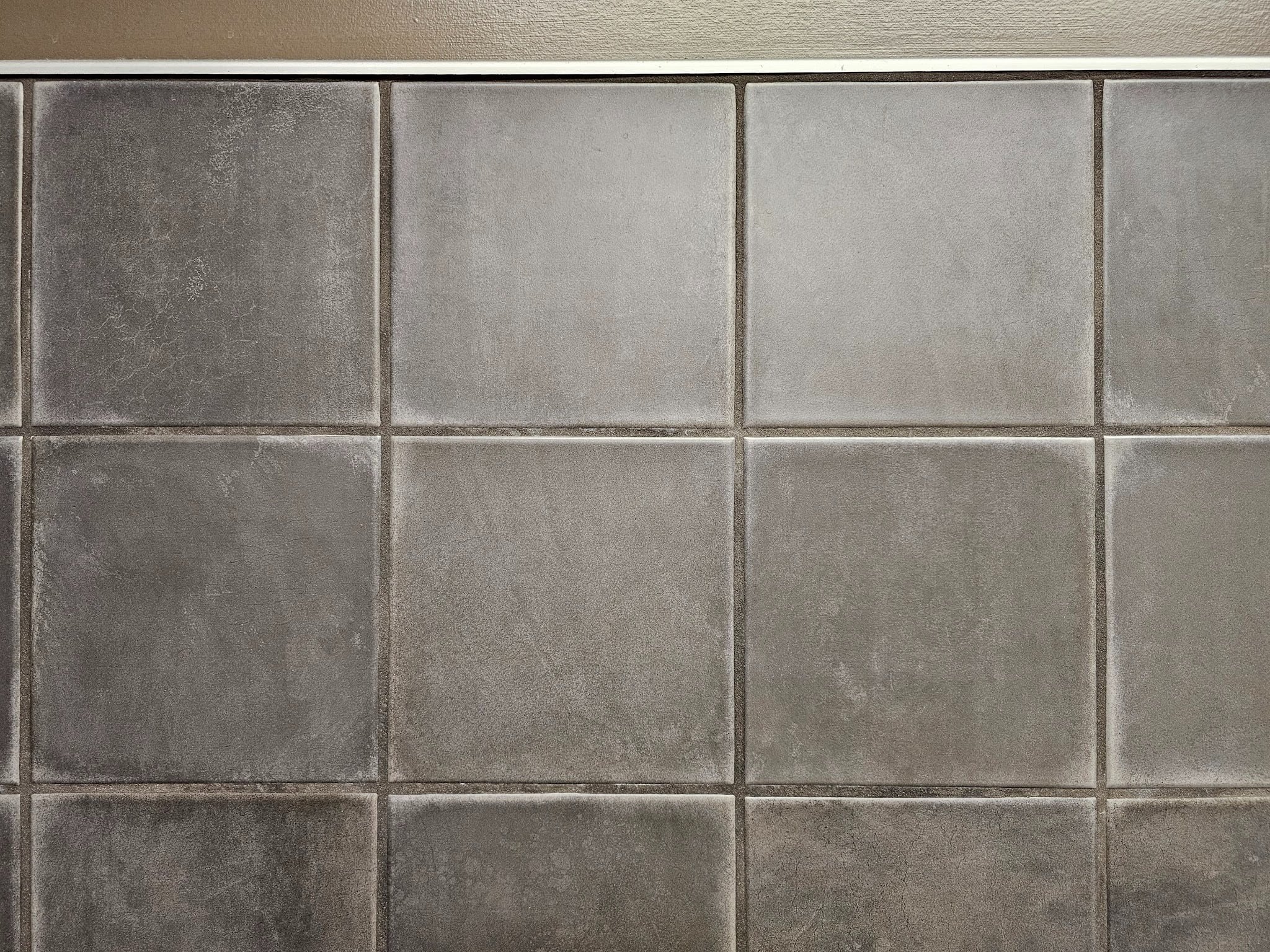
They’ve used an anodized aluminum roundover type termination strip at the top of this wainscoting application. The brown tile has an intentionally distressed aged look. It’s not actually aged or distressed, it’s just made to look that way to give it a bit of a rustic kind of look. There’s a lot of different types of colors and styles of termination strips. Like tile in general, there’s a wide range of options. There’s different metal finishes and different textures.
Here, they’ve selected an anodized aluminum round over termination strip to go with this vintage rustic looking brown tile. Everyone’s personal opinion might be different, but we just happen to think that this is a bad selection. One of the nice things about some of these particular termination selections is that they can work with a wide range of different aesthetics. This particular termination strip, we believe, should go with aesthetics that are contemporary or modern.
Since so many of these tile options do not have an accessory type of tile with a bull nose that can be used to terminate the edge of the tile, alternative pieces of metal can be used. These metal (or even plastic in some cases) termination pieces are called edge profiles. They are basically thin long strips that can be installed under and at the edge of the tile. They have a relatively small lip that gets embedded under the edge of the tile, but they have an angle so that they turn upwards or outwards to also cover the otherwise exposed edge of the tile.
The picture below shows the top of a wainscoted wall. This tile wainscoting only goes to 6 feet and 6 inches above the floor. It basically goes from the bottom of the wall, the top of the tile floor, up to an area just above head height. Wainscoting can be made from a variety of materials. Often, in farmhouse style designs people will install a beadboard type wainscoting up to about a chair rail height.
We don’t see this all the time here in Washington DC, even though historic homes were built around the same time as many houses of the farmhouse style were built. There is a particular style called Victorian Farmhouse type of architecture with the farmhouse style decor and associated architecture. There’s even a derivation called Victorian farmhouse style architecture. Some of these houses were built during the height of balloon framing.
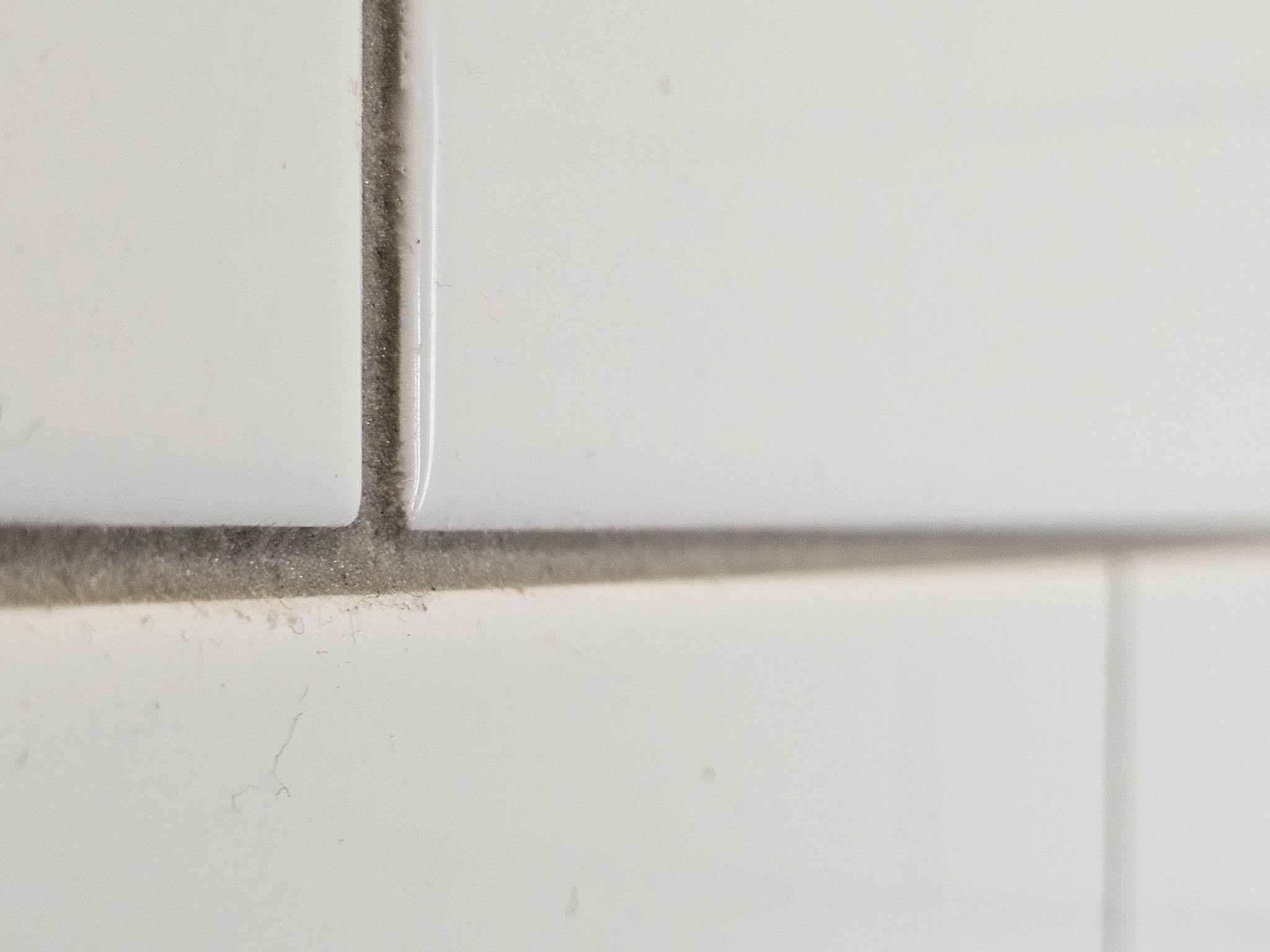
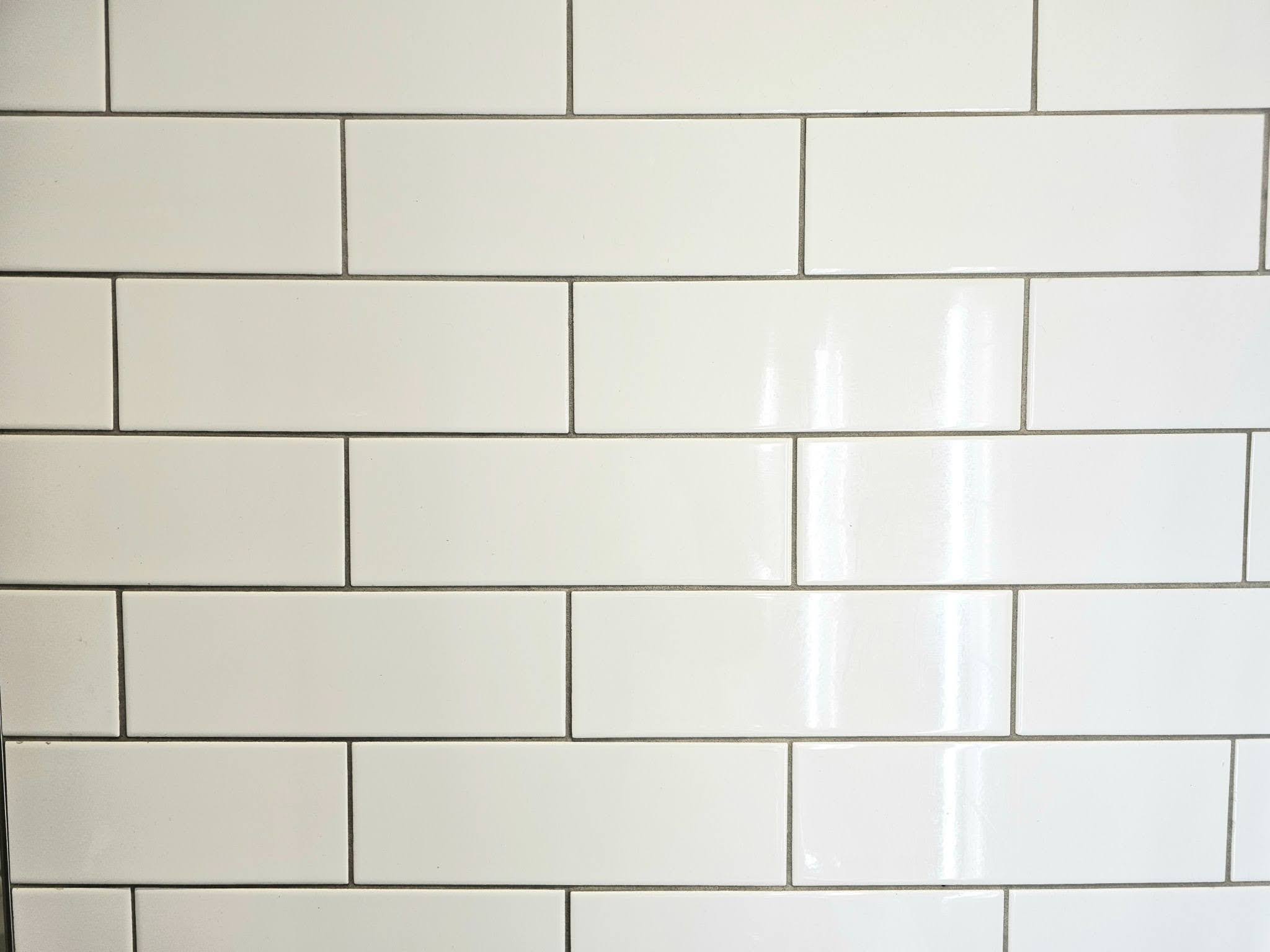
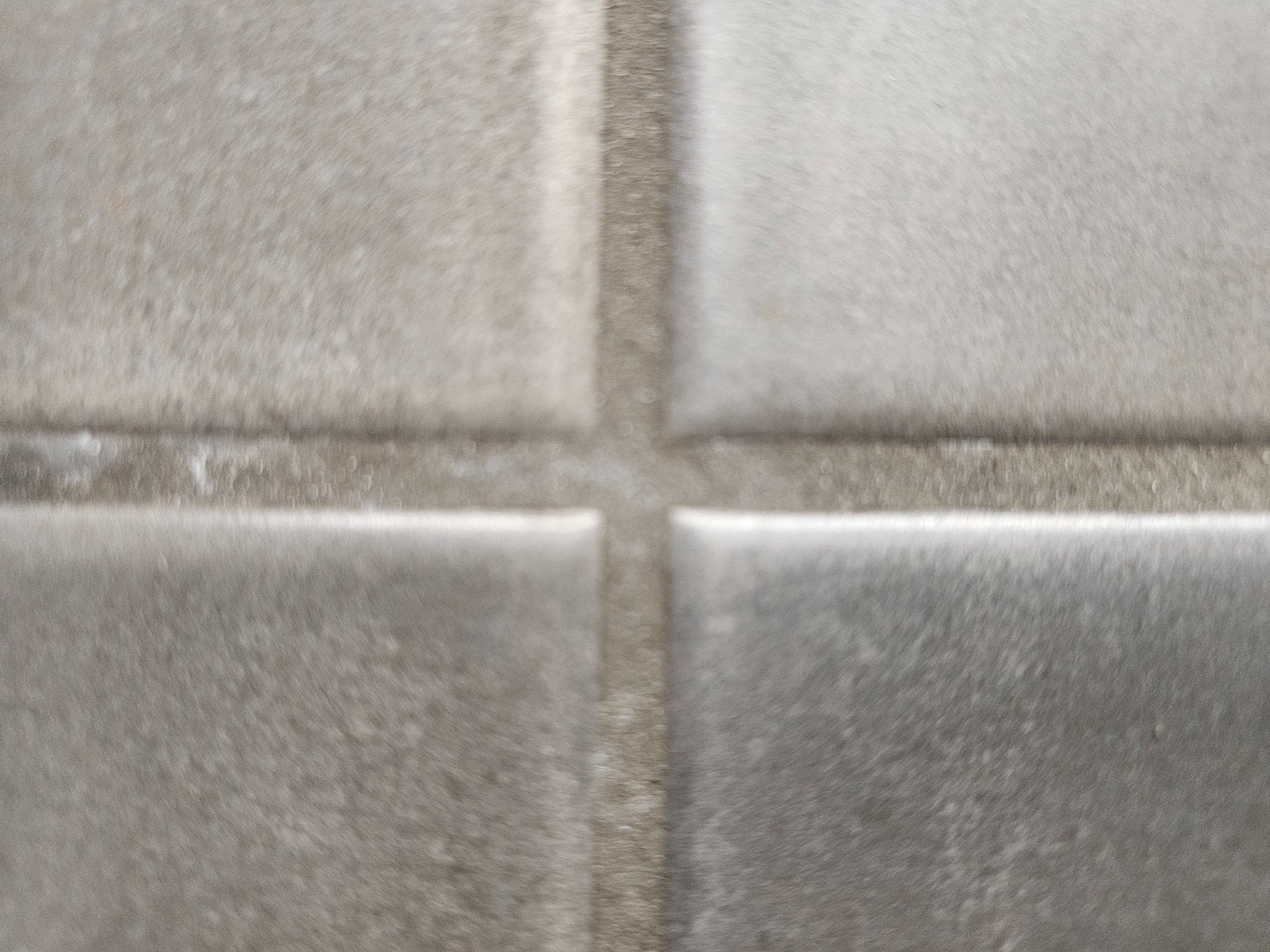
In this coming week’s blog, we’ll look at different angles and additional pictures of this tile installation. We’ll talk about things like the grout color selected, as shown in the picture below.
Dupont Kitchen & Bath Can Help
As dedicated and local DC metropolitan kitchen and bath builders and installers, we pride ourselves on turning your visions into reality. Your kitchen and bathrooms can reflect your unique style and be designed with personalized aesthetics. It can be a process from creative designs to the realization of your dream space. Specializing in kitchen and bath construction, we bring expertise and skills to every project. If you’re contemplating a renovation, upgrade, or modernization in the local market, we’re happy to be your team. Consult with us, and we can start together on a path to redefine and elevate your DC living experience.
You can visit our company website at https://dupontkitchenbathdc.com/
Here at our website you will find a simple and convenient web form that you can fill to contact us quickly.