Exploring 3D Wall Tile Design Options – Part I
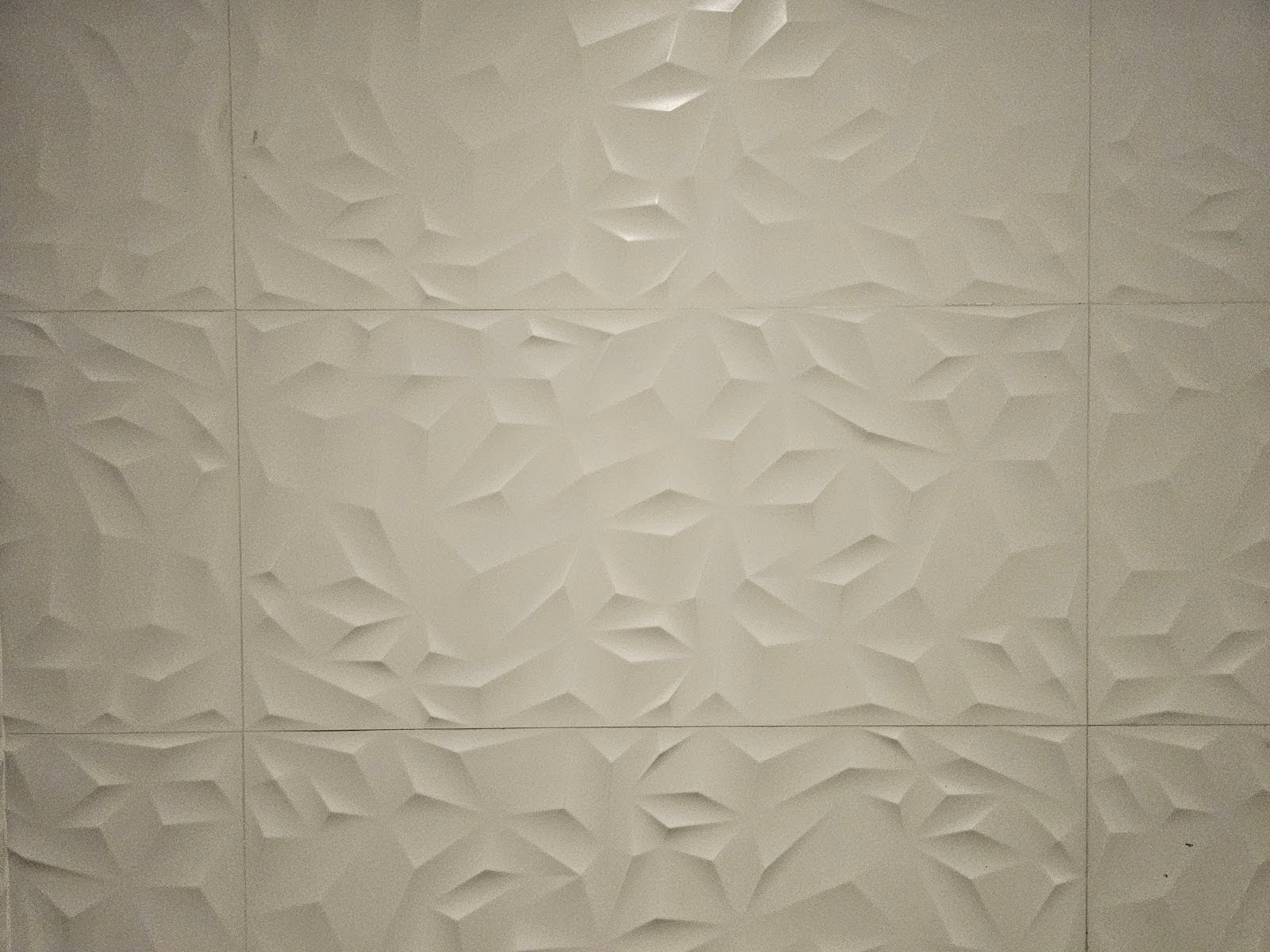
Today we’re looking at a particular type of ceramic tile that has a three-dimensional shape to the surface. This specific style of tiles first began to have wide distribution here in the United States in the early 2010’s. Looking back, we wondered if they would take off as a fad or become something that just disappeared into forgotten obscurity. The answer is really neither. They never became a big fad and they never really disappeared or became something that people looked at as silly idea in design history. They just became something kind of new to the people using the option here and there. There are multiple different types. We show a picture of just one example below.
One of the reasons that these textured tiles didn’t become a big fad is because not everybody builds or designs in a modern or futuristic type of style. In fact, based on the kitchens and bathrooms we renovate, we estimate that only about 10-20% of kitchens have heavy influences from a modernistic or futuristic type of design palette. Especially here with so many historic buildings in Washington DC, we see so many other things other than just futuristic or modern contemporary design. A lot of kitchens will have a blend of elements that tie together between classic and contemporary without going forward too far into the modern futuristic style.
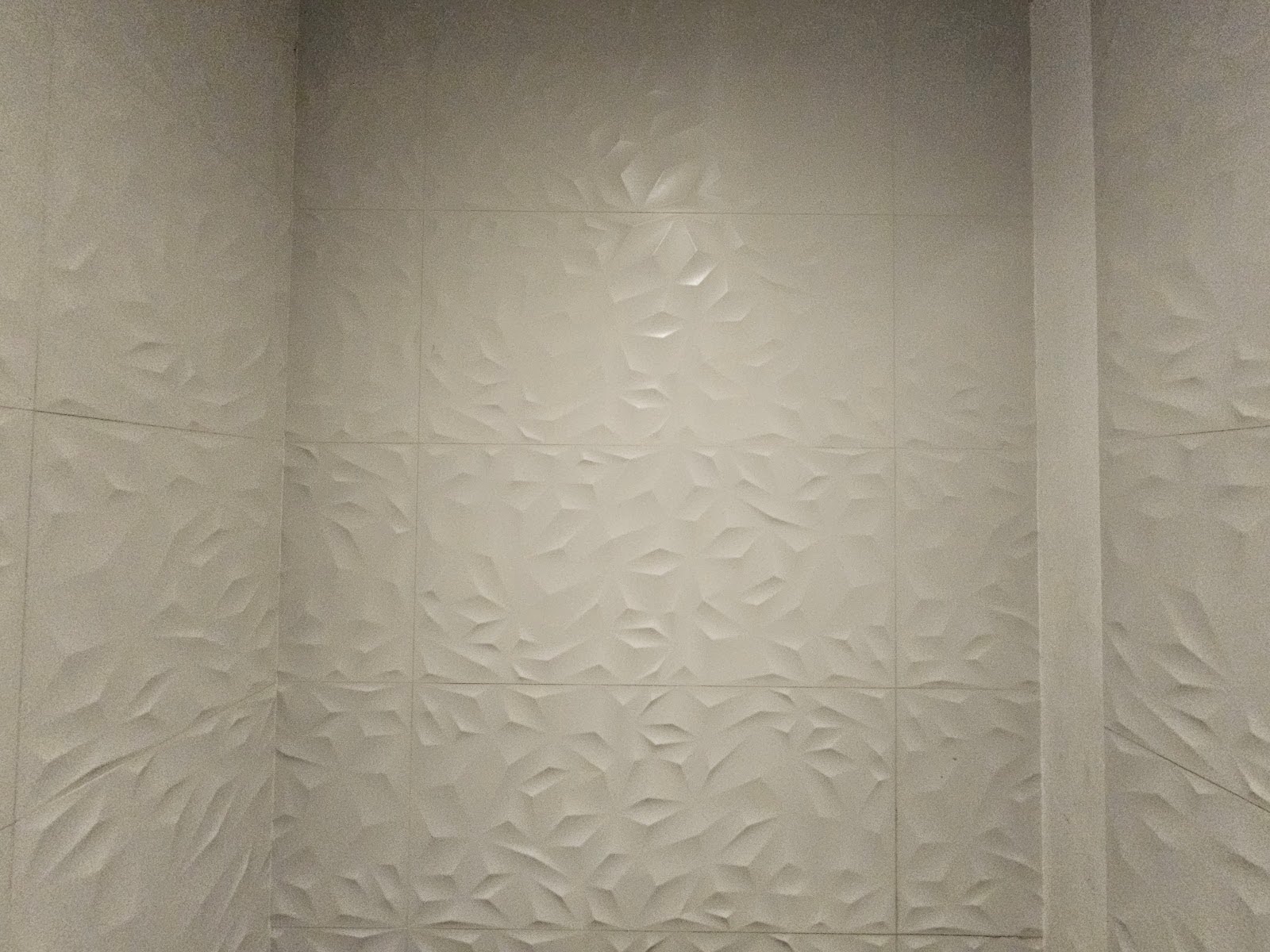
The picture looks a little bit like the skin of an alligator, it also looks like it has a bunch of different pock marks across the surface. Putting it into these terms might not sound particularly appealing, but we’re not certain that it’s an appealing aesthetic either. We think it depends. Different options help a designer find things that work in coordinate together. Most of these types of contenporary design materials, like most things nowadays, are manufactured overseas and then imported into the United States. Such as these particular tiles, the majority of tiles used here in the United States are manufactured abroad.
The USA imports roughly 70% of its tile materials. Particularly for these large modern 3D textured tiles, many come from specialty design companies in Spain and Italy. Unlike artisanship of the past though, these modern three-dimensional tiles are made in plants that have heavily invested in modern equipment and mechanized facilities. Some of the American competitors are still trying to compete, but not in a direct type of way. Most of the American manufacturers are not creating three-dimensional textured tiles like this. Instead, they’re competing in the more traditional part of the market.
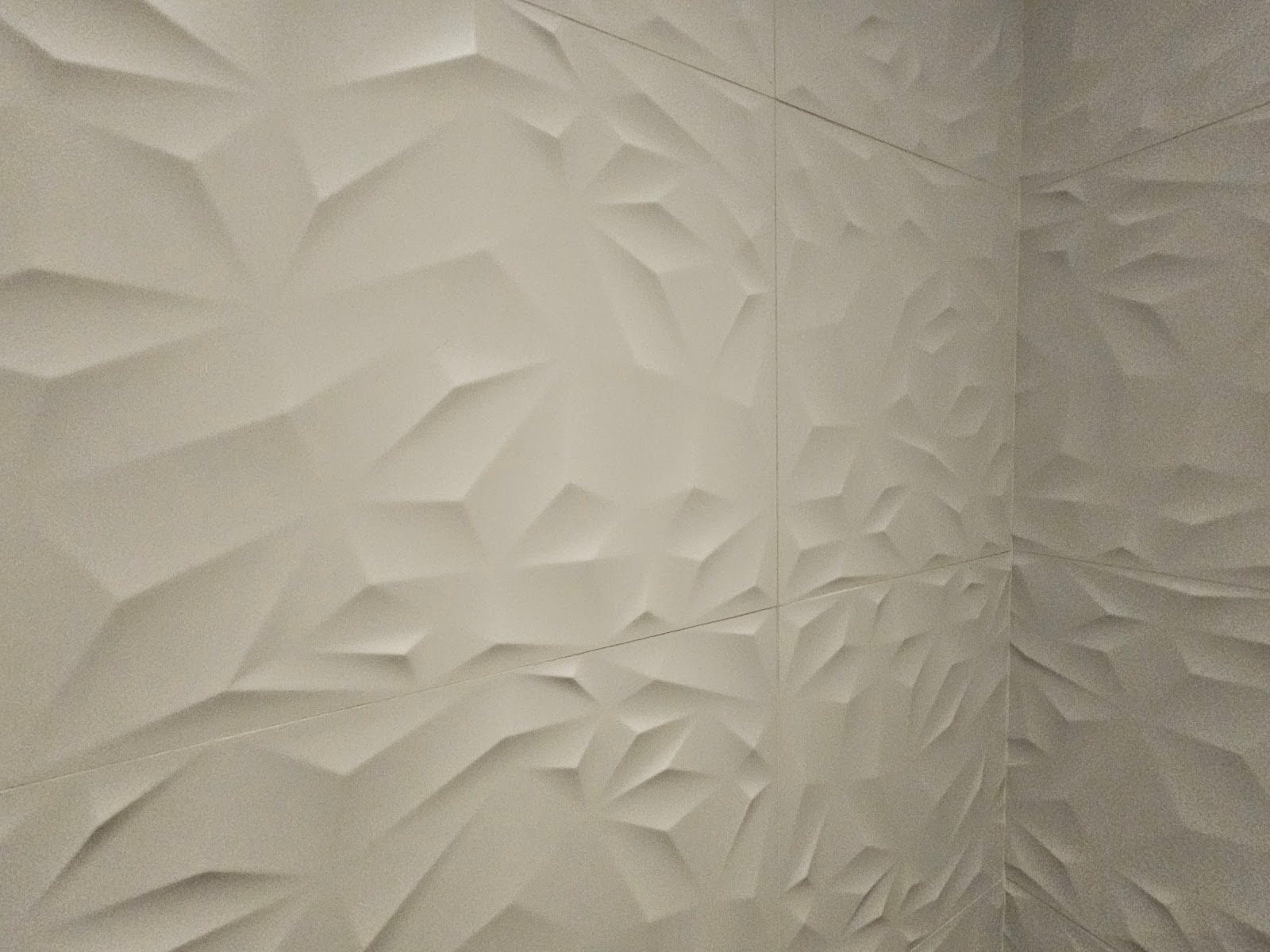
This style of tiles wasn’t really completely new for the first time around 2010. In fact we would probably refer to it as a 2010 revival. Back in the Victorian and Arts and Crafts designer times different types of textured tiles were used. These were similar in that they were three dimensional textured tile that had a shaped surface, but they were much smaller tile sizes. You can see in the picture below, these new 2010-revival design phase tikes include particularly large tiles. In some cases, the tiles will be 36 inches wide and 12 inches tall.
In that type of shape they’re more like a rectangular block or plank, but they can even be larger. In some cases they can be as large as 48 in wide. That’s a massive size tile compared to the Arts and Crafts era or Victorian era tiles.
The tiles of those times were very small, roughly 4 inches x 4 inches or 6 inches x 6 inches. Instead of being produced in a mechanized industrial type machine driven equipment process like the contemporary ones, the Victorian and or Arts and Crafts style tiles were mostly created by hand. These historic tiles were mostly produced post industrial revolution. However, some of the design movements were particularly a reaction against the Industrial Revolution and associated design elements. More than just aesthetics, there were also elements embedded in these movements that had a philosophical basis.
Just like the reaction to the plastic world we live in today, some people really enjoy and appreciate creating some things themselves and having furnishings in their homes that are made from real natural materials. A similar type of thought and philosophy was part of the Arts and Crafts movement. To a large extent, the majority of these textured tiles were handcrafted.
In this coming week’s blog, we’ll look at additional pictures of different angles of these tiles and we’ll talk about some of the practical elements of installation.
Dupont Kitchen & Bath Can Help
As dedicated and local DC metropolitan kitchen and bath builders and installers, we pride ourselves on turning your visions into reality. Your kitchen and bathrooms can reflect your unique style and be designed with personalized aesthetics. It can be a process from creative designs to the realization of your dream space. Specializing in kitchen and bath construction in DC, we bring expertise and skills to every project. If you’re contemplating a renovation, upgrade, or modernization in the local market, we’re happy to be your team. Consult with us, and we can start together on a path to redefine and elevate your DC living experience.
You can visit our company website at https://dupontkitchenbathdc.com/
Here at our website you will find a simple and convenient web form that you can fill to contact us quickly.