Best Bathroom Tile Options for Gaithersburg Remodeling Projects
If you’re a homeowner in Gaithersburg, MD, planning a bathroom remodel, tile is probably one of the biggest decisions on your list. The problem is that choosing the wrong tile can turn into an expensive regret, slippery floors, grout that stains too easily, or materials that don’t hold up to daily moisture. At Dupont Kitchen & Bath, we help Gaithersburg homeowners cut through the confusion, avoid costly mistakes, and select bathroom tile that actually fits how they live; durable, safe, and designed to look great for years.
Why Tile Choice Matters More Than Most Homeowners Realize
Tile isn’t just about looks. In a bathroom, it’s working overtime. Steam, splashes, temperature swings, cleaning chemicals, and daily foot traffic all take a toll. We’ve seen homeowners spend thousands on a remodel only to realize later that their glossy floor tile is dangerously slick or their grout needs constant scrubbing.
In Gaithersburg, especially in older properties and townhomes, bathrooms are often smaller, making tile choice even more important. The right tile can make the space feel brighter and larger. The wrong one can highlight every flaw.
Best Tile Materials for a Gaithersburg Bathroom Remodel
Porcelain Tile: The Most Versatile and Durable Option
- Porcelain tile is often the top recommendation for bathroom floors and showers, and for good reason. It’s dense, highly water-resistant, and stands up well to heavy use. For Gaithersburg families with kids or guest bathrooms that see a lot of traffic, porcelain is usually the safest long-term bet.
It also comes in countless styles, including wood-look and stone-look finishes that add warmth without the maintenance headaches of real wood or stone.
Ceramic Tile: Affordable and Ideal for Walls
- Ceramic tile is slightly more porous than porcelain, but still performs very well on bathroom walls. It’s easy to clean, budget-friendly, and available in endless colors and shapes. Many homeowners use ceramic tile for shower walls or backsplashes while upgrading to porcelain on the floor.
Glass Tile: Modern Accents That Catch the Light
Glass tile is rarely used for floors, but it shines as an accent or shower wall feature. It reflects light beautifully, which can be a big advantage in Gaithersburg bathrooms that don’t get much natural light. Just keep it where slip resistance isn’t a concern.
Natural Stone: Beautiful, but High Maintenance
- Marble, slate, and travertine offer undeniable luxury, but they require sealing and ongoing care. In humid bathrooms, stone can stain or etch if it’s not properly maintained. We usually recommend stone only for homeowners who understand and are comfortable with the upkeep.
Slip Resistance: A Non-Negotiable for Bathroom Floors
Safety is one of the most overlooked parts of tile selection. High-gloss tiles may look stunning in a showroom, but they can be slippery when wet. For bathroom floors, especially in households with kids or aging family members, slip resistance matters. By choosing the right material, you can make bathrooms safer for elderly family members.
Look for:
- Matte or textured finishes.
- Porcelain tile with good traction ratings.
- Smaller tiles in shower floors to improve grip and drainage.
Too many homeowners learn this lesson after the remodel is done. We prefer to get it right from the start.
Tile Size and Layout: Making Small Bathrooms Feel Bigger
Large-Format Tiles
Large tiles mean fewer grout lines, which can make a bathroom feel more open and modern. They’re a great option for Gaithersburg powder rooms or hall baths with limited space.
Small Tiles and Mosaics
Smaller tiles, especially 2×2-inch mosaics, are ideal for shower floors. They allow proper slope toward the drain and provide better traction underfoot.
Patterns and Texture
Wood-look porcelain is popular for homeowners who want warmth without sacrificing durability. Subtle patterns and textured finishes can also hide water spots and everyday wear better than flat, glossy surfaces.
Color Choices: Light, Dark, or Somewhere in Between?
Color affects more than style. It changes how your bathroom feels.
- Light tiles reflect more light and make small bathrooms feel larger
- Dark tiles add depth and a spa-like feel but can make tight spaces feel enclosed
- Neutral tones tend to age better and offer more flexibility with future design changes
In Gaithersburg homes, we often recommend lighter floors paired with slightly darker walls or accents for balance.
Don’t Overlook Grout – It Defines the Final Look
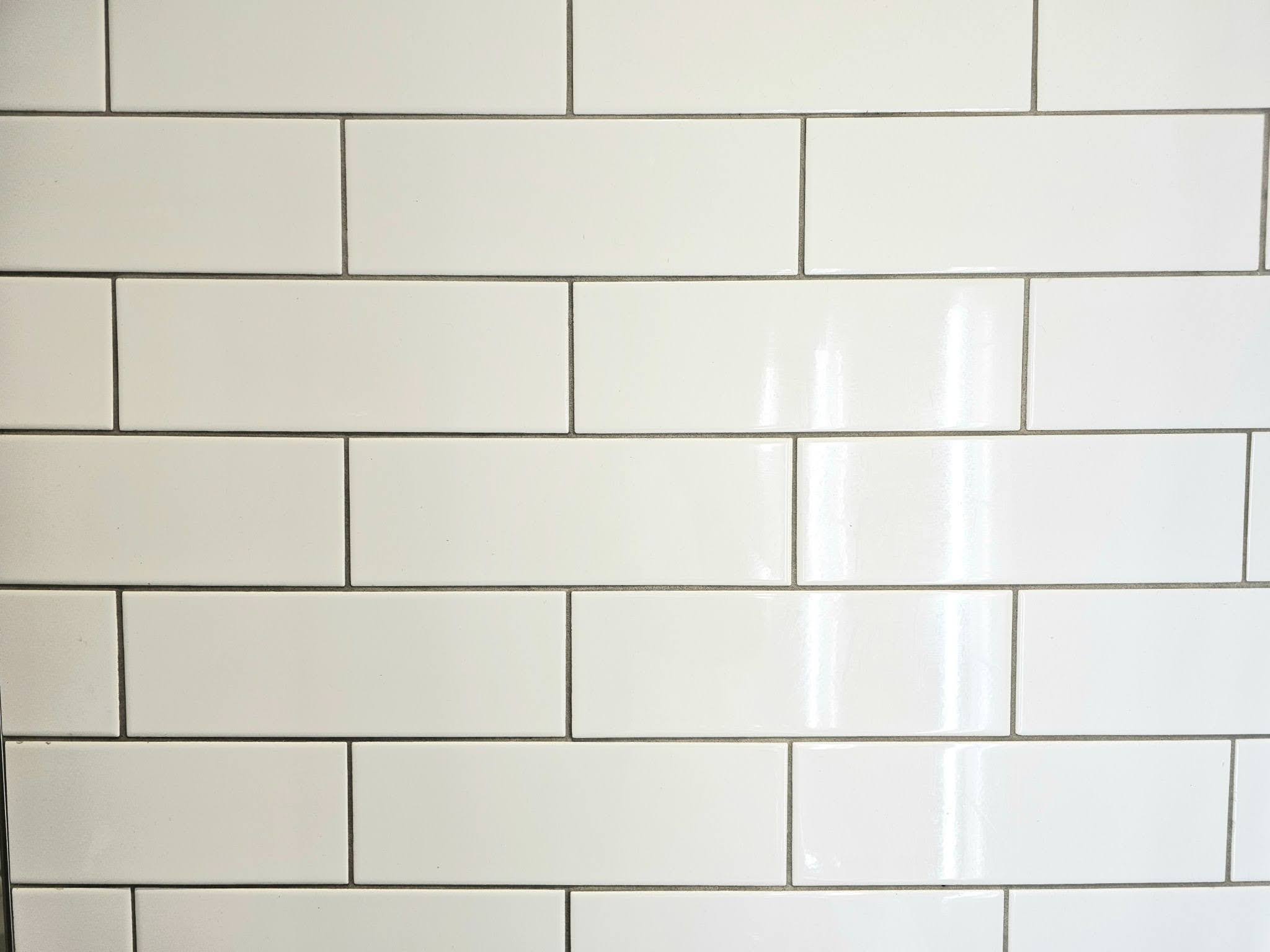
Grout can either blend in or become a design feature. A grout color close to your tile creates a clean, seamless look. High-contrast grout makes patterns pop but shows dirt more easily. We often guide homeowners toward low-maintenance grout options and sealing techniques that reduce staining, especially in high-use bathrooms.
Budget Considerations Without Cutting Corners
- Tile costs vary widely. Ceramic is generally more affordable, while porcelain offers better long-term durability. Natural stone sits at the higher end, both in cost and maintenance.
A smart approach is mixing materials; investing in porcelain where it matters most and using ceramic or glass accents where appropriate. This keeps the remodel on budget without sacrificing quality.
How Dupont Kitchen & Bath Helps Gaithersburg Homeowners Get Tile Right
Choosing tile can feel overwhelming. Sizes, finishes, materials, grout, it adds up quickly. That’s where working with Dupont Kitchen & Bath makes a difference. We don’t just install tile, we help you select materials that match your home, your lifestyle, and your long-term goals.
Commonly Asked Questions

What is the best tile for bathroom floors?
Porcelain tile is typically the best choice due to its durability, low water absorption, and slip-resistant options.
Are large tiles good for small bathrooms?
Yes. Large-format tiles reduce grout lines, making small bathrooms feel more spacious.
Is natural stone a good idea for bathrooms?
It can be, but it requires sealing and ongoing maintenance. Porcelain alternatives often provide a similar look with less upkeep.
What tile is best for shower floors?
Small mosaic tiles work best because they allow proper drainage and provide better traction.
Ready to Choose the Right Tile for Your Bathroom Remodel?
If you’re planning a Gaithersburg bathroom remodel and want guidance you can trust, the team at Dupont Kitchen & Bath is here to help, from design decisions to flawless installation.
Call us at (202) 831-4869 to schedule a consultation and start planning a bathroom that looks great and works even better.