Gloss or Textured Cabinet Doors: How to Pick the Right Look for Your Remodel
Here on our website, we’ve looked at many different styles of cabinets, countertops and cabinet doors. Today we’re looking at a few different types of texture and finishes of cabinet doors. Some of these doors have a high-gloss finish and others have an intentionally rougher texture. Often, we see architectural surfaces that span the range of shininess. Some of the common Sheen types include flat, semi-gloss, and high gloss. semigloss is basically somewhere in the middle, it has both a shine but also isn’t excessively shiny. When you think of high gloss, by comparison, you can think of it like a candy apple. Essentially, it is shiny all over.
In addition to shine, it also has a bit of a mirror type quality. Semigloss doesn’t really have quite so much of a mirror like characteristic. For the high-gloss surfaces to work right, the substrate must be free of typical imperfections. Essentially, a high gloss finish will show every element or detail of the subsurface because of the high sheen. The high sheen accentuates any differences outside of the intended planar consistency.
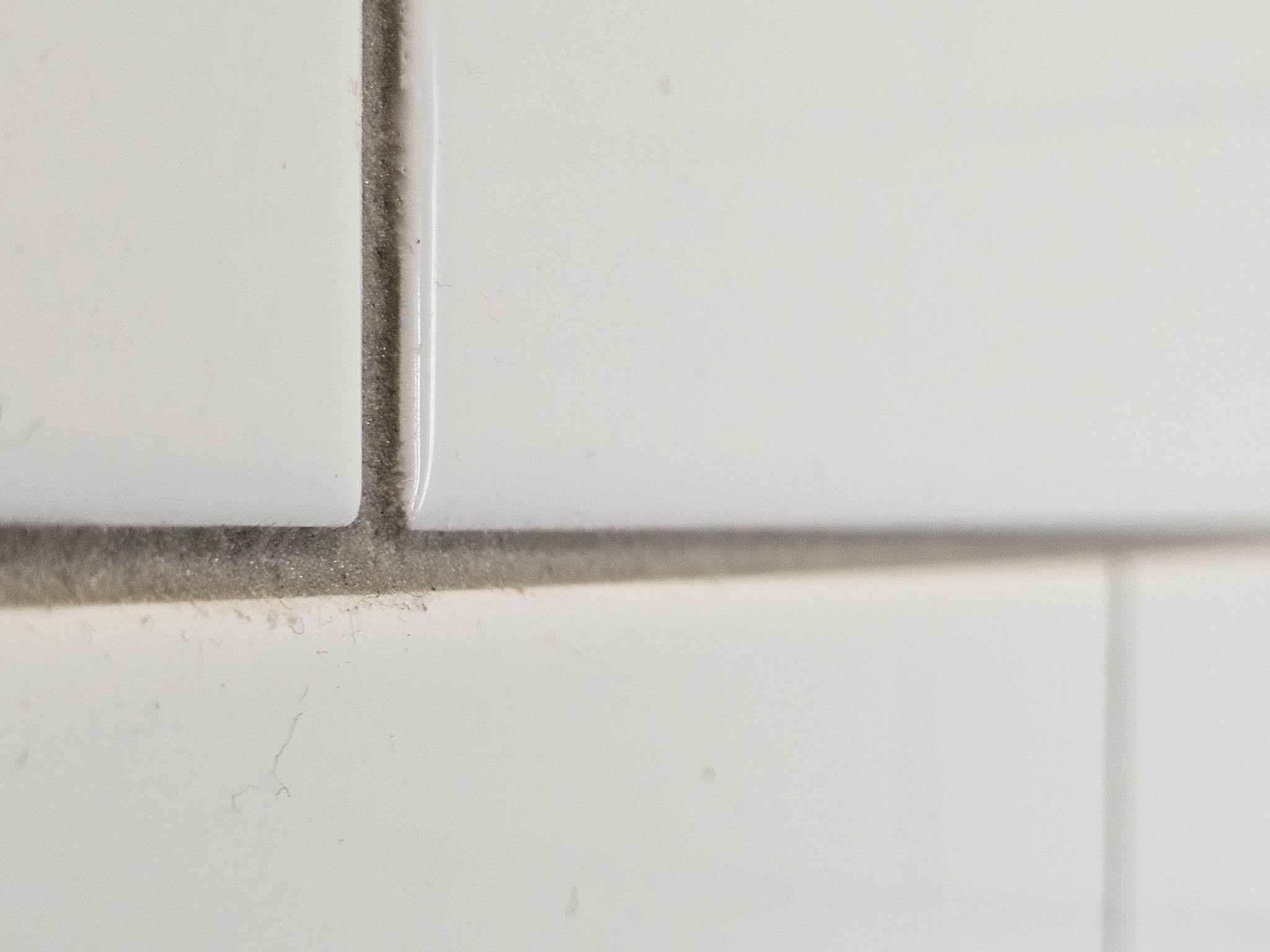
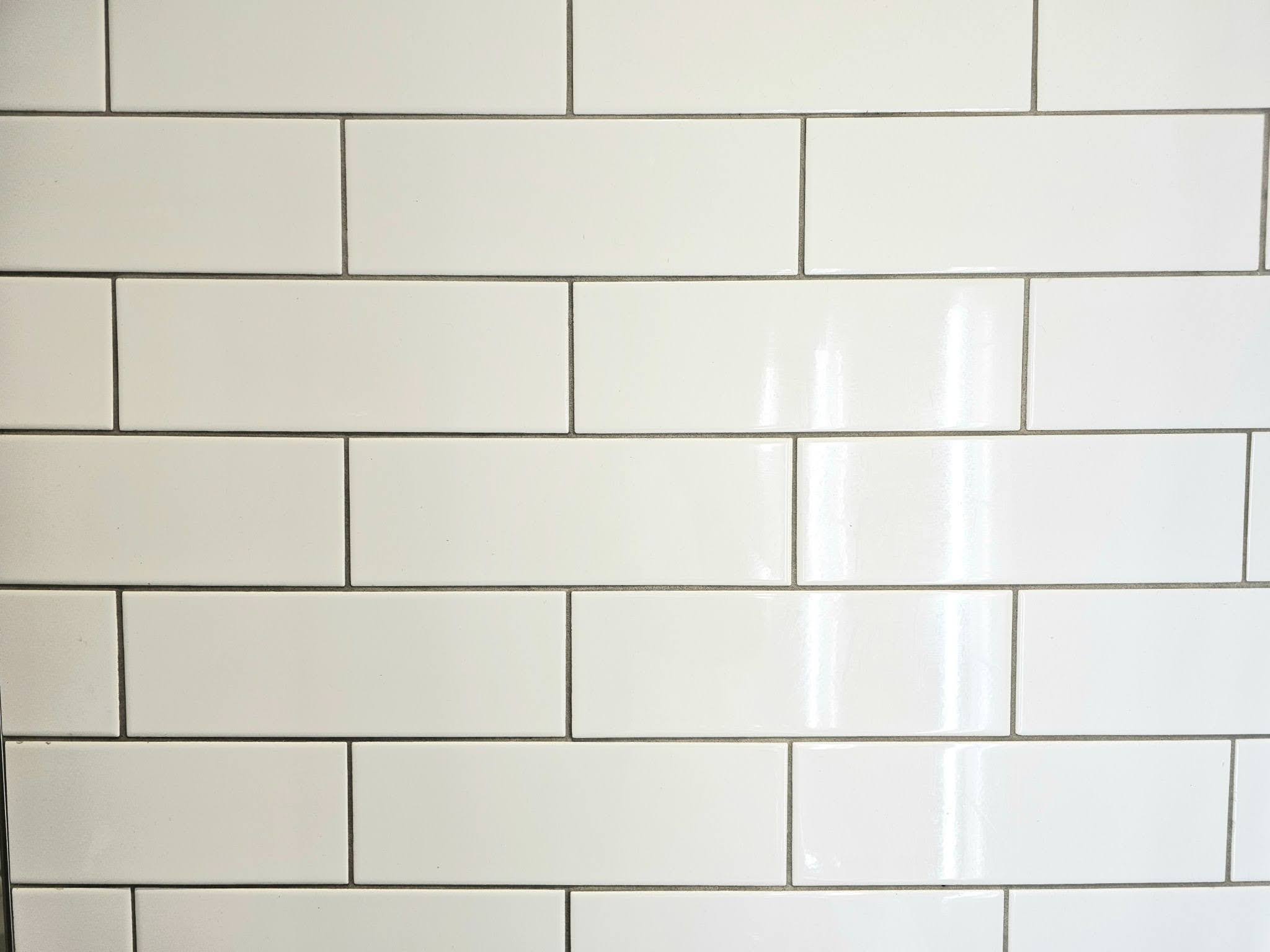
One of the important qualities or characteristics of good high-sheen paint though is that it has a high build. The term high build refers to a material’s viscosity which is generally a result of the ratio between solids in the mixture. Materials with more solids will have a higher build. The high build is important in the context of the high-sheen finishes because the high build helps hide any imperfections in the substrate. The picture below shows the display of several wood panels with this type of high-gloss finish. They look like they are covered with a thin sheet of glass. You can see the shine.

In the next picture below, we show something totally different. Instead of having a high sheen, these panels have a rough texture. It’s basically the opposite of gloss or sheen. The rough texture looks like the rough grain of old wood. And the grain of wood often has a degree of inconsistency or texture because after being cut or sawn, the wood fibers will still modify and change in shape as they dry out. Even after they dry out, when exposed to moisture again, it will slightly change and have a rougher texture when exposed to moisture in the future.
Wood grain is different between each type of tree, but generally wood fibers are porous and will absorb moisture. This moisture can affect the wood when the wood becomes wet, either from accidental spillage or from precipitation. As the wood grain absorbs the moisture, it will expand the surface of the wood and make the grain more pronounced. In the picture below, even though the panels are not made from real wood, the artificial or fake texture of the wood makes them look a little bit more realistic.
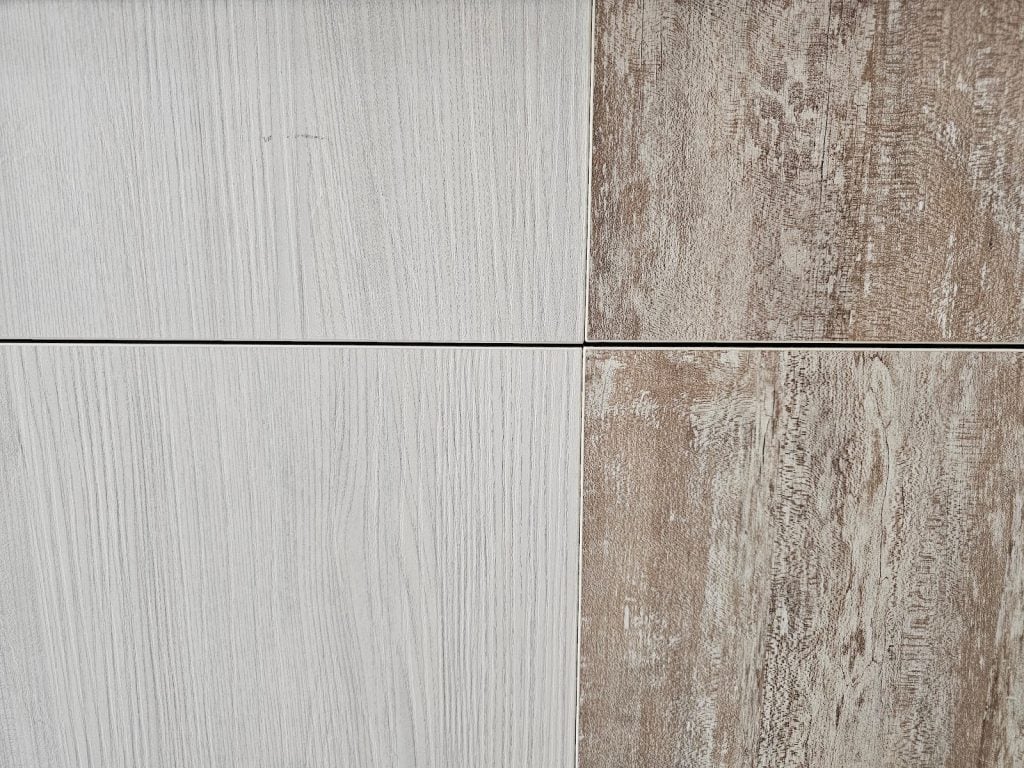
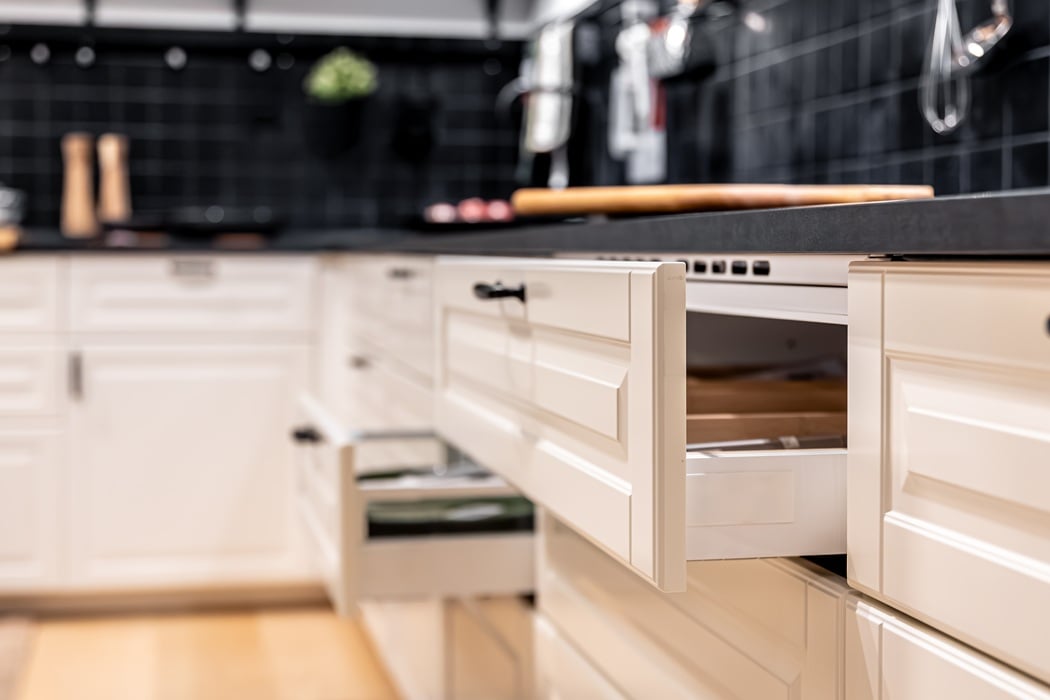
You can compare the picture above and the picture below against each other to see the difference between a rough texture as shown above and a high-sheen or high-gloss cabinet door shown below.

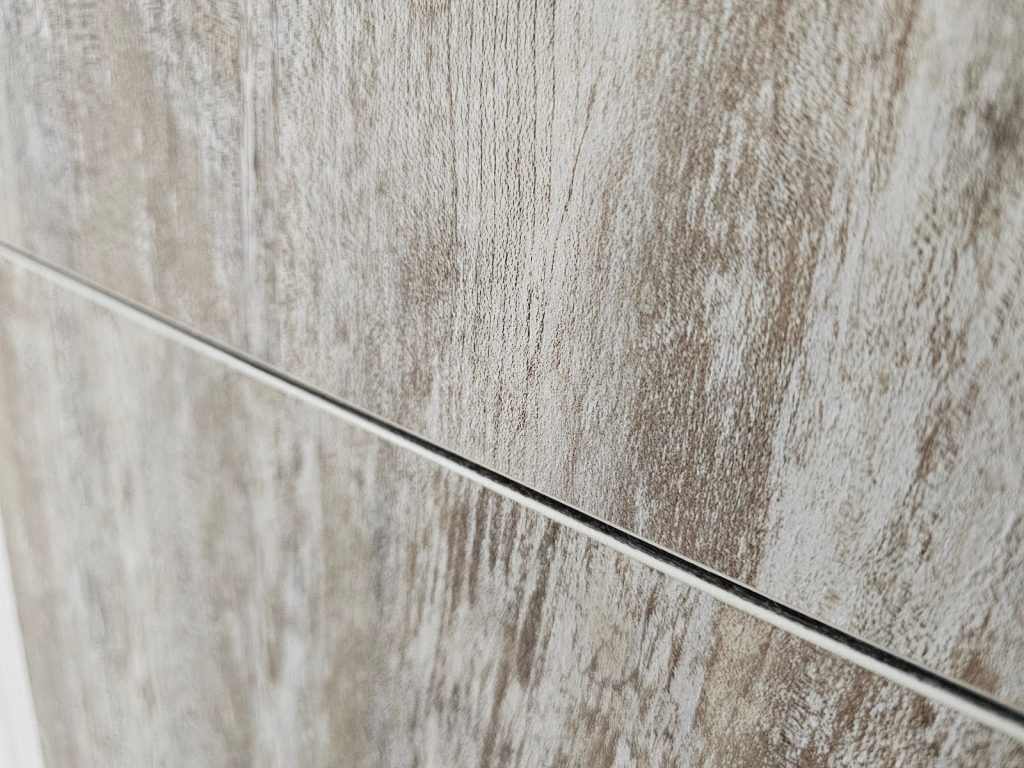
You can see that fake grain a little bit closer below. For decades, cabinet manufacturers have been trying to hide the natural elements of wood and make it look a bit more manufactured. Manufactured elements simply have a tendency to look like a higher degree of workmanship. Here though, it’s not quite rustic but maybe a bit more salvaged looking. There’s a difference between the rustic design style and the salvage design style.
Sometimes the industrial design and salvaged design go hand in hand. In the past 10 to 20 years there has been an interest in things that are more salvage and industrial looking. This particular style is different than rustic style though because rustic style can also have a little bit of a country type of feel to it. By contrast, although the industrial style can look rough, it isn’t country.
Instead, it’s very different, it’s more like the rough salvage look of a New York City loft and less like a little house on the prairie. Although the cabinets themselves don’t have that edgy industrial look, the raised gain could arguably be more associated with that industrial look then the country rustic look.
The surface shown in the picture below with the raised white or light color grain is similar to a whitewash or Scandinavian design element. It mimics bleached or light-colored wood. The whitewash color is not the same as completely covering it with a white paint. When something’s covered with a white paint completely, you can’t see any elements of the substrate colors below. Instead, although the texture may come through, the color does not. Here though, like a white wash over masonry or brick, you can still see some of the wood color slightly come through the white color on top.
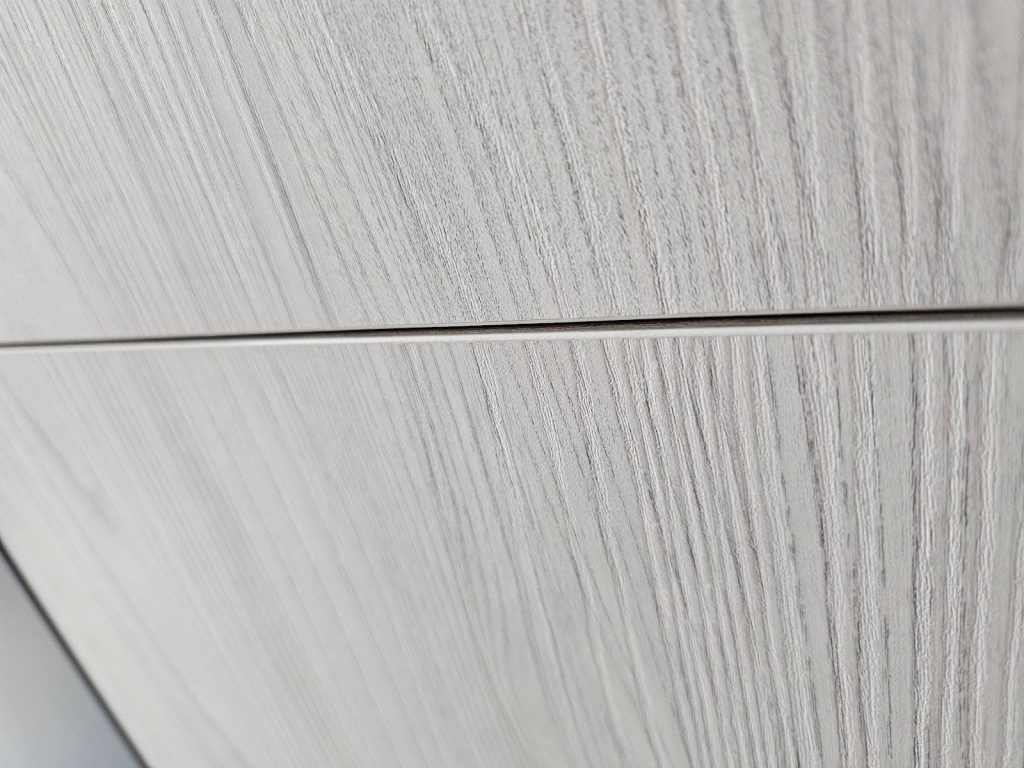
In contrast, the finish below shows a lot more grays and browns and is intended to look a lot more like reclaimed wood then the whitewash or Scandinavian type of finish shown above.
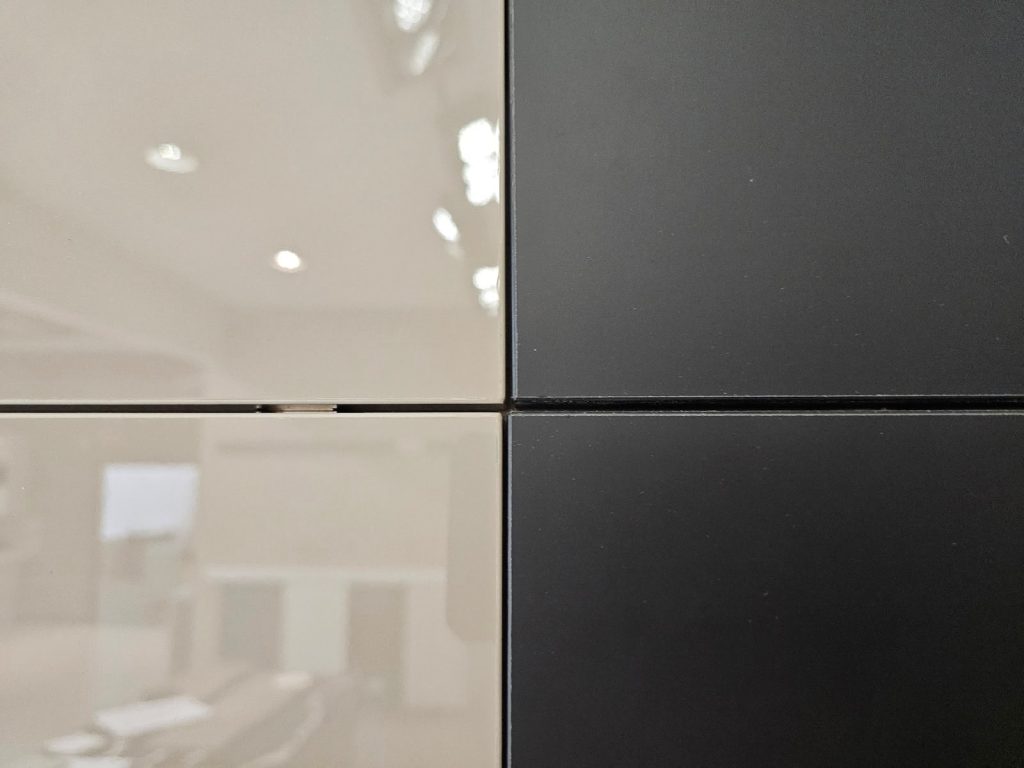
If you look closely in the picture below, you can see the panels to the left have a high-gloss finish and the panels to the right have more of a satin type of finish, but with a little bit more sheen than matte. If you notice on the left hand side where the gloss finish is shown, you can see a reflection. You can see a faint reflection because the gloss finish is a bit more like a glass or mirror sheen which shows a reflection.
Dupont Kitchen & Bath Can Help
As dedicated and local DC metropolitan kitchen and bath builders and installers, we pride ourselves on turning your visions into reality. Your kitchen and bathrooms can reflect your unique style and be designed with personalized aesthetics. It can be a process from creative designs to the realization of your dream space. Specializing in kitchen and bath construction, we bring expertise and skills to every project. If you’re contemplating a renovation, upgrade, or modernization in the local market, we’re happy to be your team. Consult with us, and we can start together on a path to redefine and elevate your DC living experience.
You can visit our company website at https://dupontkitchenbathdc.com/
Here at our website you will find a simple and convenient web form that you can fill to contact us quickly.