Why Herringbone Tile Backsplashes Are a Popular Design Choice
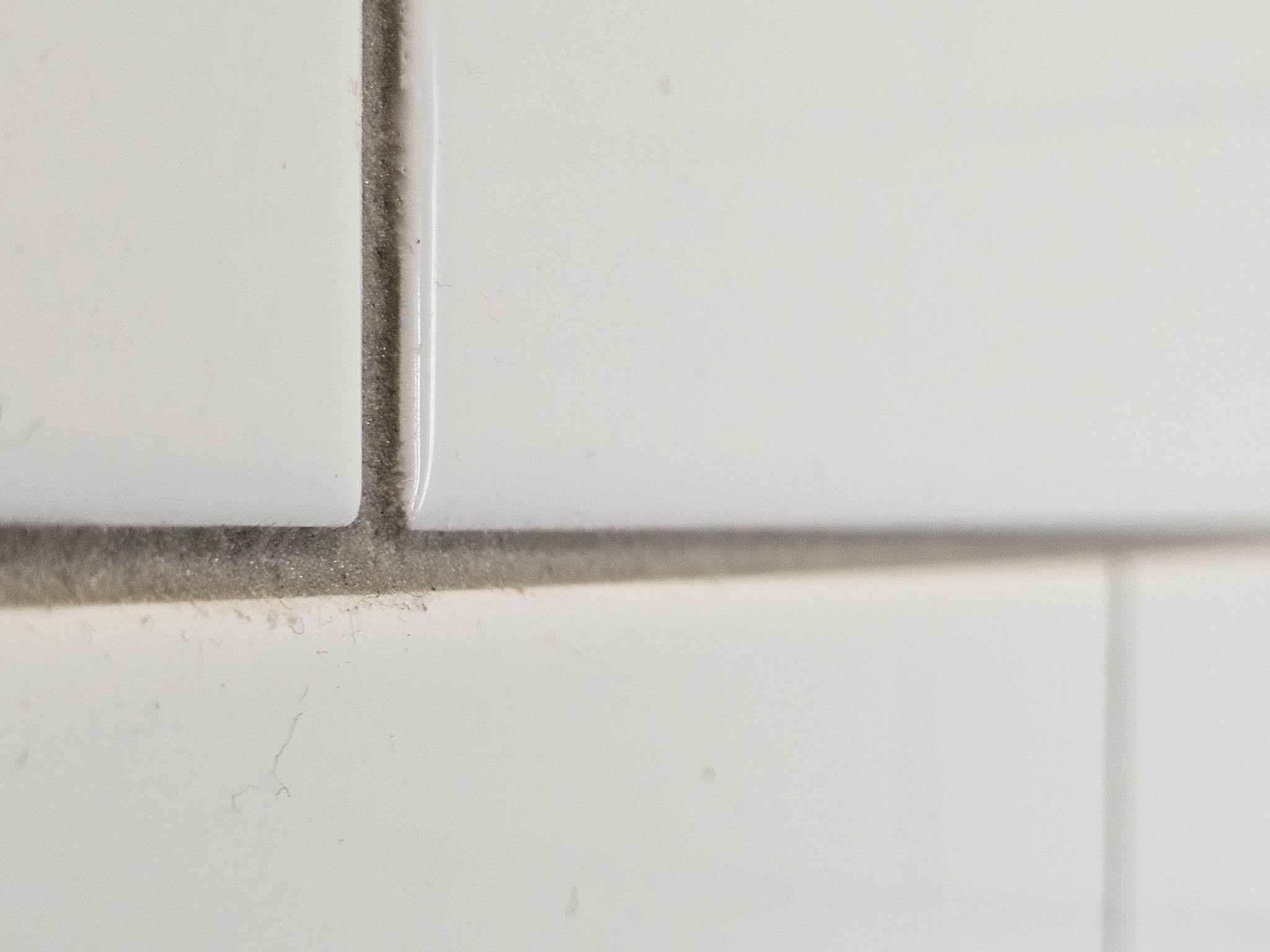
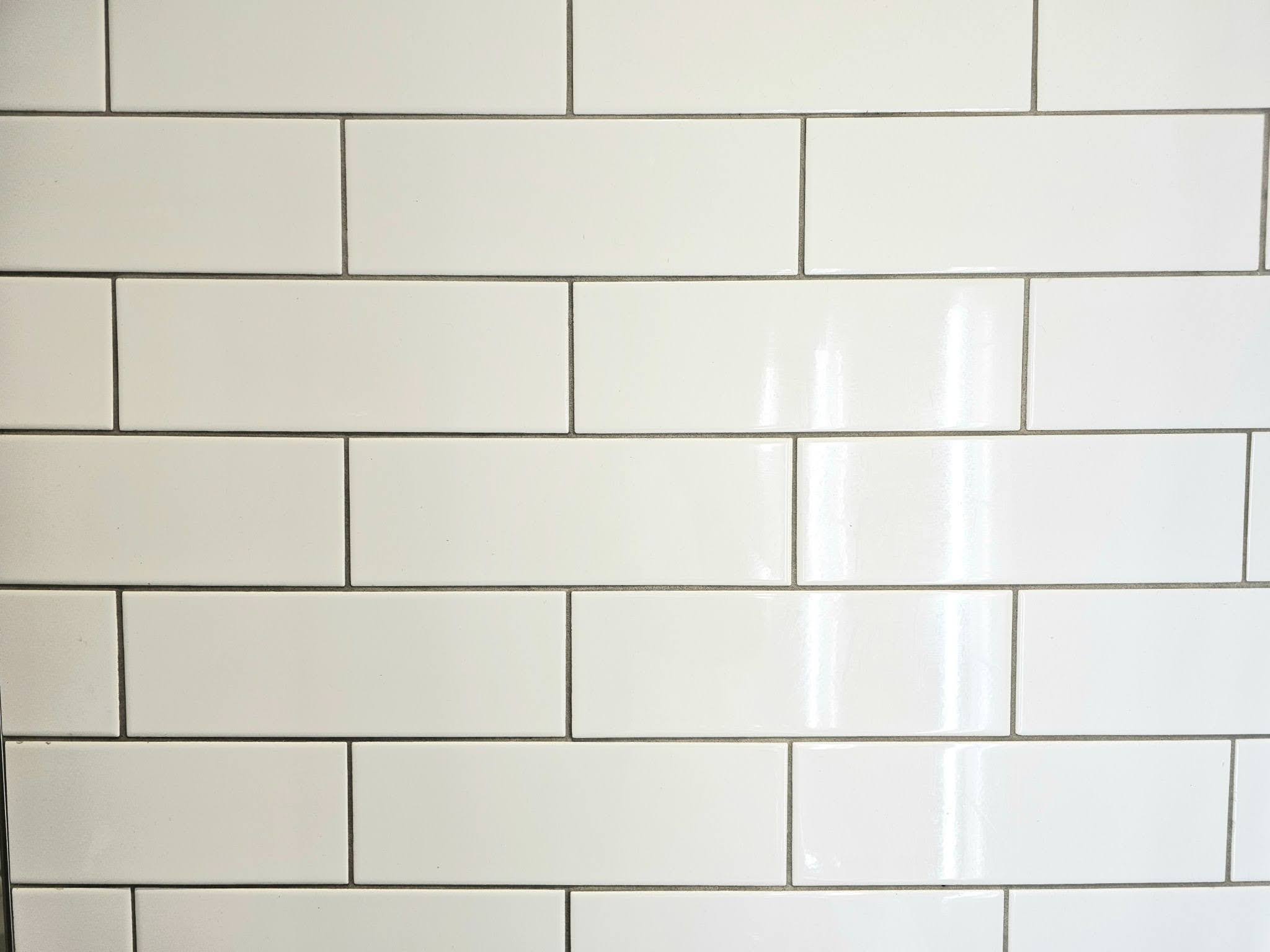
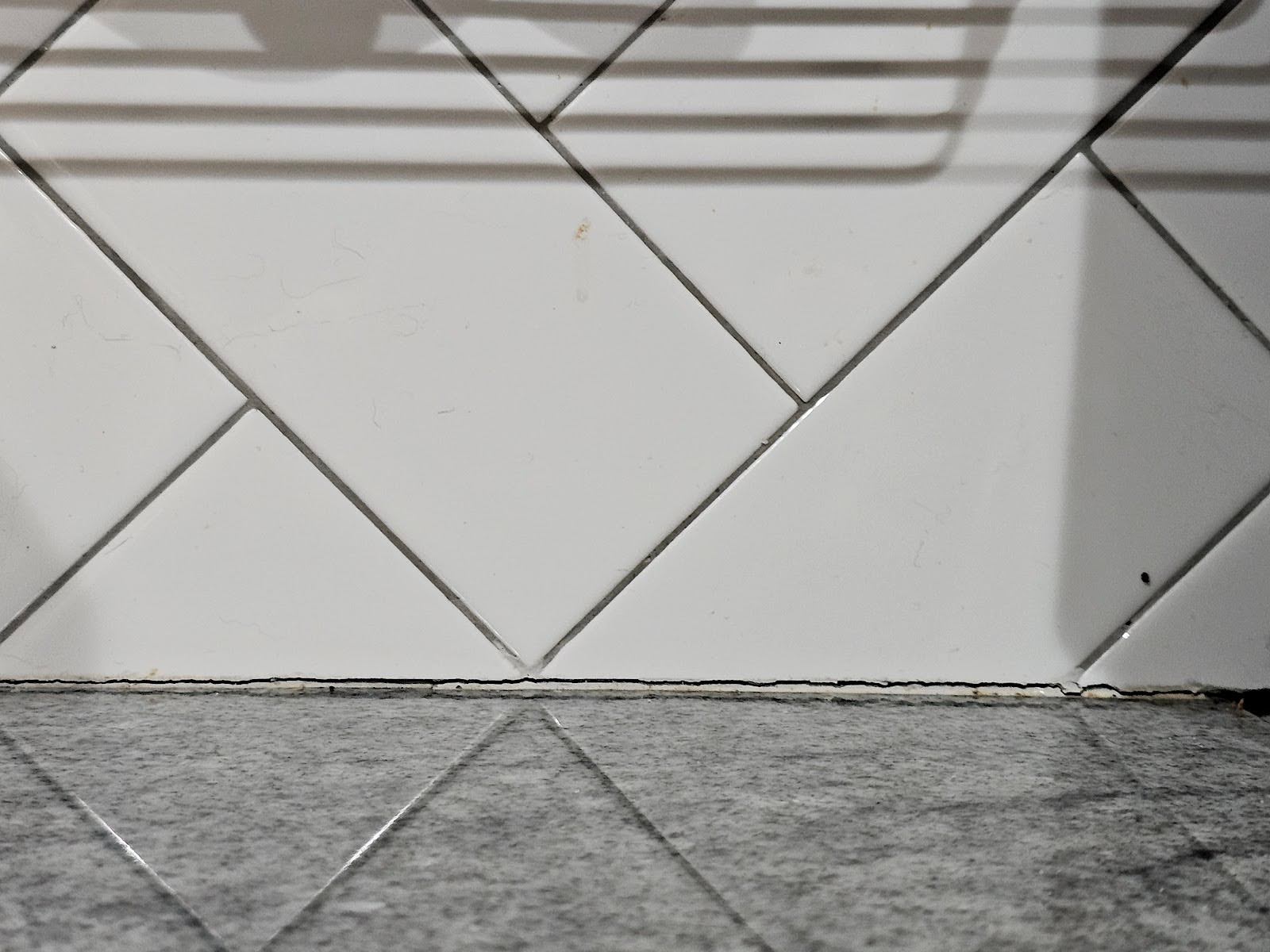
Today, we’re looking at a ceramic tile backsplash in a kitchen, above the countertop. We didn’t build this kitchen ourselves, but we can see there’s some things here that we like and some things that we don’t like. It’s good to take a look at some things like this sometimes just to get a sense of the various details. A lot can be learned from understanding both the range and variety of options. Also, we can look at best practices and or practices that aren’t so great so they can be avoided.
You can see a white or slightly off-white color tile installed on the backsplash. The backsplash goes down directly to the countertop. Not all backsplashes have to be built that way. This is just one example. A backsplash can also be built with a natural stone or synthetic types of stone materials, often referred to as a solid surface countertop. The solid surface or stone material can go all the way to the underside of the cabinets and even up to the top of the wall where there are no wall cabinets or upper cabinets.
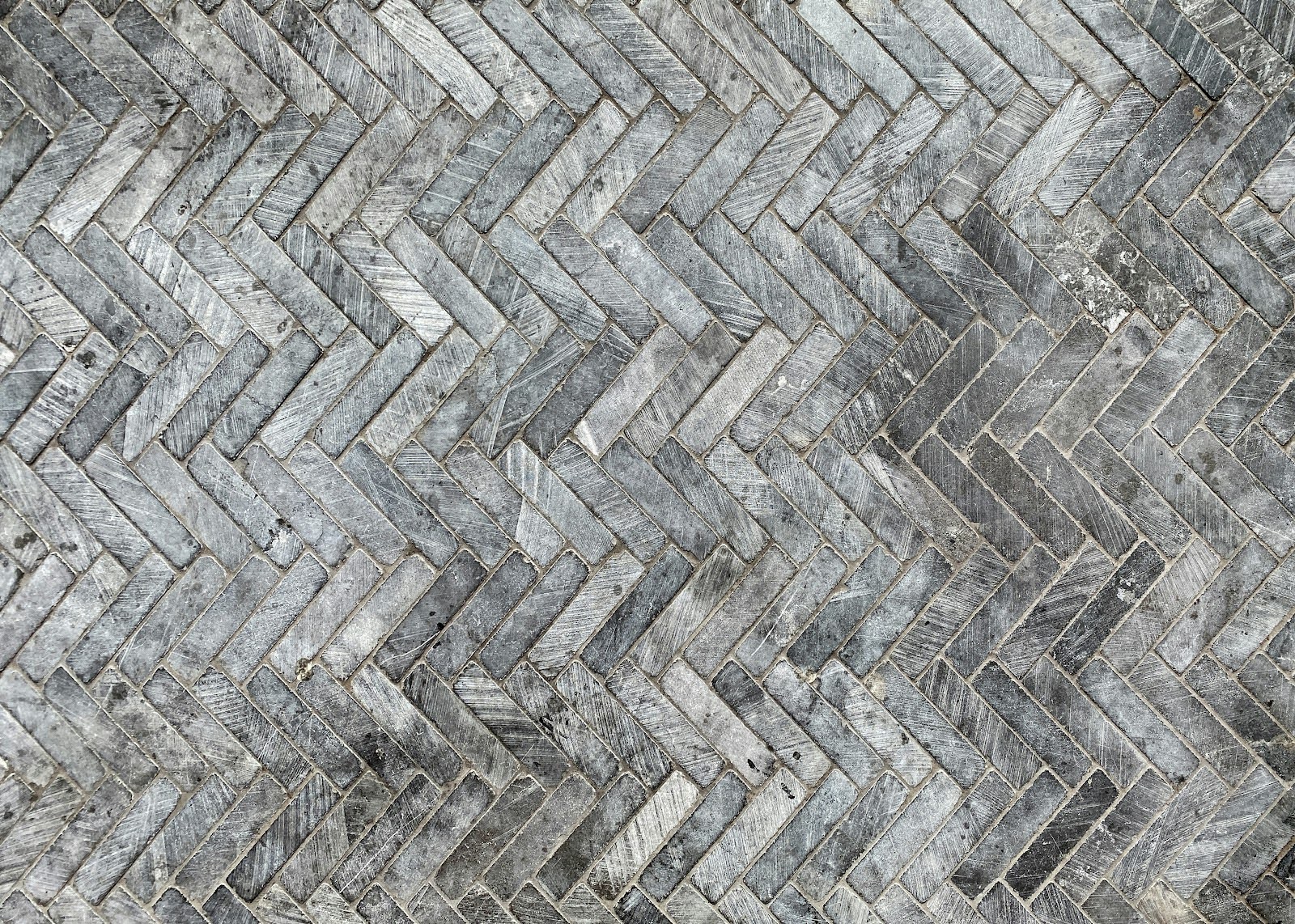
A photo of an intricate installation of natural stone tiles in a herringbone pattern follows below. This particular installation has a very thin grout line which requires a highly consistent substrate. Any deviations out of the typical plane will significantly affect an installation like this with thin grout lines. For example, whether it be a floor or a wall, if there is undulation or areas that are not perfectly flat, it will show through accentuatedly and cause lippage. Where grout lines are thicker, defects or imperfections in the substrate can be hidden in the grout lines without as significantly affecting the trueness of the finished tile clad surface.
Here though, instead of using a material similar to the countertop, the wall has been covered with a tile. This particular type of tile looks similar to a subway tile. Generally, subway tiles will be installed on a running bond. Here though, instead, the tile is installed in a herringbone pattern. Sometimes herringbone and Chevron patterns are confused because they look very similar.
There’s a pretty distinctive difference though. At the outer edges of a Chevron pattern, the edges of the individual pieces will be cut in line with the overall central direction. Here though instead, in a herringbone pattern, the pieces are interconnected or woven together both at their centers and at their edges as well as the pattern repeats.
We also just want to mention a note about the shadows on the top of the backsplash wall below. We prefer and highly recommend under cabinet lighting. Here they haven’t used under cabinet lighting and instead, asphalt a result, there are relatively hard shadows that, in some cases will end up directly on top of a workspace. From an ergonomic perspective that’s not ideal. Under cabinet lights can serve as task lighting which can iluminate things more optimally.
The name of the herringbone pattern comes from the v-shape interlocking configuration of the bones of a herring fish. Many people are familiar with the herringbone pattern. However, not as many people are familiar with the bone patterns of this fish. Unlike many other types of predatory fish, the herring fish has a spinal column with many more vertebrae in an angled configuration. In this design, the part where the individual rows or columns of the tiles interlace or join is where the spinal column would be if it instead were a fish.
The herringbone pattern is not just another new fad. Historically, people have been building with herringbone patterns for thousands of years. Even before ceramic tile was used prolifically, people used bricks in many parts of the world. Even going back to ancient Rome, many of the roadways were laid with bricks, set into a herringbone pattern.
We talk a lot about tile and grout here on our website and in our blog because it’s a topic that comes up in topics around kitchens and bathrooms. In kitchen and bathrooms we generally recommend the grout color not be lighter than the majority of the variation of color within a tile. Here, particularly, they’ve used a very dark color with a very light tile. That selection createss a high contrast and therein makes the tile stand out. You can see this pattern very distinctively because they’ve used a dark color tile. If they had used a lighter tile, it wouldn’t have looked bad. In that case it would have been a much more minimalist look overall.
In this coming week’s blog we’re going to look at more pictures from the same kitchen installation and show the miscoordination between the receptacles and the countertop. Receptacles are required, by the building code, to be installed along the wall behind the cabinets. In almost every kitchen we build, there are multiple receptacles and even some switches on that backsplash wall.

Dupont Kitchen & Bath Can Help
As dedicated and local DC metropolitan kitchen and bath builders and installers, we pride ourselves on turning your visions into reality. Your kitchen and bathrooms can reflect your unique style and be designed with personalized aesthetics. It can be a process from creative designs to the realization of your dream space. Specializing in kitchen and bath construction, we bring expertise and skills to every project. If you’re contemplating a renovation, upgrade, or modernization in the local market, we’re happy to be your team. Consult with us, and we can start together on a path to redefine and elevate your DC living experience.
You can visit our company website at https://dupontkitchenbathdc.com/
Here at our website you will find a simple and convenient web form that you can fill to contact us quickly.